National Children’s Day 2026 Strengthening the Pillars of Child Protection and Empowerment for Indonesia’s Golden Generation

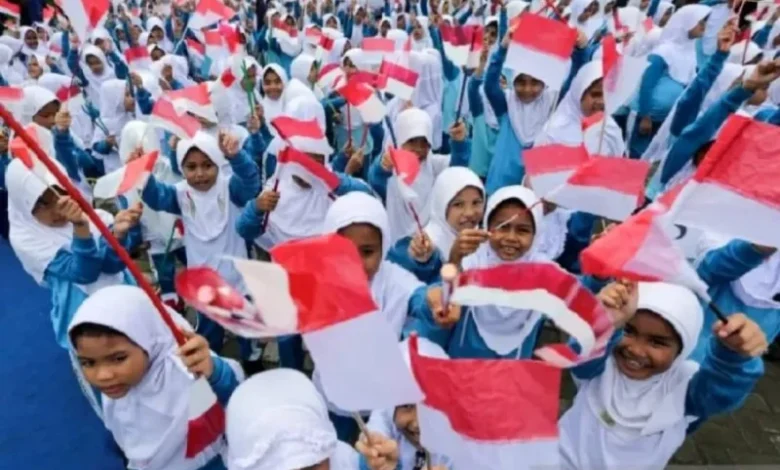
National Children’s Day, observed annually on July 23, serves as a cornerstone in Indonesia’s ongoing efforts to elevate public awareness regarding the fulfillment of children’s rights and the strengthening of protective frameworks. This observance, known locally as Hari Anak Nasional (HAN), is far more than a date on the calendar; it is a profound national reminder that every child possesses the fundamental right to live, grow, develop, and be shielded from all forms of violence, discrimination, and exploitation. As Indonesia marches toward its centenary in 2045, the role of the younger generation has never been more critical. The 2026 commemoration, marking the 42nd anniversary of the official decree, underscores a shift from ceremonial festivities to a deep-rooted commitment to creating an environment that is safe, healthy, and conducive to the holistic development of the nation’s future leaders.
The Constitutional and Legislative Evolution of Child Welfare
The foundation of child protection in Indonesia is deeply embedded in the nation’s highest legal instrument. The 1945 Constitution of the Republic of Indonesia, specifically Article 28B, paragraph (2), explicitly mandates that every child has the right to survival, growth, and development, alongside the right to protection from violence and discrimination. This constitutional bedrock has guided decades of legislative progress aimed at refining the state’s role in a child’s life.
The journey toward a formal National Children’s Day began with the enactment of Law Number 4 of 1979 concerning Child Welfare. Signed into law on July 23, 1979, this legislation was a landmark achievement, marking the first time the state specifically regulated the welfare of children as a vital component of national development. Recognizing the importance of this legislative milestone, the government later issued Presidential Decree Number 44 of 1984, which officially designated July 23 as National Children’s Day.
Over the decades, the legal framework has evolved to meet the complexities of a changing society. Law Number 23 of 2002 on Child Protection was a significant leap forward, later being strengthened by Law Number 35 of 2014. these updates expanded the responsibilities of the state, local governments, families, and communities. The focus shifted from merely providing basic needs to a comprehensive "rights-based" approach. This includes protection against human trafficking, economic exploitation, bullying, and systemic discrimination. In the modern era, these laws have also begun to address the digital landscape, recognizing that the threats facing children today are as likely to emerge from a smartphone screen as they are from the physical world.
Commemorating the 42nd National Children’s Day in 2026
For the year 2026, the government has adopted the theme "Sayang Anak, Lindungi dan Bangun Masa Depan" (Love Children, Protect and Build the Future). This theme is designed to resonate with all levels of society, from the nuclear family to the highest levels of government administration. It serves as a call to action to prioritize compassionate parenting, robust legal protection, and equitable access to essential services.
The 2026 theme is particularly relevant as Indonesia enters a critical window of its demographic bonus. With a significant portion of the population under the age of 18, the quality of care provided today directly correlates to the nation’s socio-economic stability in 2045. The government emphasizes that "investing in children" is not merely a social obligation but an economic and strategic necessity. A child who grows up in a supportive environment—free from the trauma of stunting, abuse, or educational neglect—is far more likely to contribute to a creative, competitive, and character-driven workforce.
Concrete Actions and Government Initiatives
The 2026 observance has been marked by several high-profile initiatives across the archipelago, demonstrating the multi-sectoral approach required for child protection. One of the most significant symbolic and practical gestures came from the Ministry of Imprisonment and Immigration (Kemenimipas), which announced a reduction in criminal sentences for 1,050 children currently in correctional facilities. This move highlights a growing national shift toward restorative justice, focusing on rehabilitation rather than purely punitive measures for minors who have come into conflict with the law.
In the border regions, such as Sebatik, the government focused on civil rights by accelerating the issuance of Child Identity Cards (Kartu Identitas Anak or KIA). These cards are essential for children to access public services, including healthcare and education, ensuring that even those in the most remote areas are recognized and protected by the state. The distribution of KIA serves as a "birthday gift" to the nation’s children, formalizing their status as citizens with protected rights.
Furthermore, state-owned enterprises have joined the cause. Transjakarta, the capital’s primary public transport provider, launched educational programs to introduce children to the importance of public transportation. By teaching children about sustainable urban mobility and safety in public spaces, the initiative aims to foster a generation that is both civic-minded and environmentally conscious.
Addressing the Digital Frontier and Modern Threats
While historical challenges like malnutrition and access to basic education remain on the agenda, the 2026 National Children’s Day places a significant emphasis on the "Digital Frontier." The rapid penetration of internet access across Indonesia has brought both opportunities and unprecedented risks. Cyberbullying, online grooming, and exposure to inappropriate content have become top-tier concerns for the Ministry of Women Empowerment and Child Protection (PPPA).
Data from various child protection commissions indicate a rising trend in digital-related grievances. In response, the 2026 mandate encourages "Digital Literacy for Parents," urging guardians to be more proactive in monitoring and guiding their children’s online activities. The government is also working with technology providers to ensure that digital spaces are safer for Indonesian minors, advocating for stricter age-verification processes and more robust reporting mechanisms for harmful content.
Restorative Justice and the Path to Reintegration
A major talking point during this year’s celebrations is the "Restorative Path" for children in the legal system. Legal experts and human rights advocates have long argued that the traditional prison system is often detrimental to a child’s psychological development. The reduction of sentences for over a thousand children is a step toward a system where the community and the family play a larger role in the correction process.
The goal is to ensure that a child’s past mistakes do not define their entire future. By providing access to vocational training and psychological counseling within correctional settings, the state aims to reintegrate these children back into society as productive individuals. This approach aligns with the 2026 theme of "Building the Future," acknowledging that every child, regardless of their background, deserves a second chance to contribute to the nation.
Supporting Data: The Current State of Indonesian Children
To understand the magnitude of the task at hand, one must look at the demographic and social data. As of the mid-2020s, children make up approximately one-third of Indonesia’s total population. While the national stunting rate has seen a steady decline—aiming for the 14% target set by the administration—regional disparities remain a challenge.
In terms of education, while primary school enrollment is nearly universal, the transition to senior high school and higher education still faces hurdles, particularly in rural and impoverished areas. The 2026 National Children’s Day serves as a data-driven checkpoint for policymakers to evaluate which provinces are meeting child-friendly city (Kota Layak Anak) standards and which require more intensive intervention.
A Collective Responsibility for Indonesia Emas 2045
The broader implication of National Children’s Day is the realization that child protection cannot be the sole responsibility of a single ministry. It requires a "Total Village" approach. The synergy between the government, schools, the private sector, and the media is vital. For instance, the business community is increasingly being encouraged to adopt "Child-Friendly Business Principles," ensuring that their supply chains are free from child labor and that their marketing practices do not harm minor audiences.
The 2026 commemoration also calls for a cultural shift. The Ministry of Women Empowerment and Child Protection has urged the public to make child protection a "daily culture" rather than a once-a-year topic. This involves normalizing the reporting of domestic violence, encouraging fathers to take an active role in caregiving, and fostering community vigilance against child exploitation.
Conclusion: Securing the Future
As the festivities of July 23, 2026, conclude, the message remains clear: the quality of Indonesia’s future is being decided today in the homes, classrooms, and playgrounds of the nation. National Children’s Day is a testament to the country’s journey from basic welfare laws in 1979 to a sophisticated, multi-dimensional protection framework in the present day.
By embracing the theme "Sayang Anak, Lindungi dan Bangun Masa Depan," Indonesia reaffirms its commitment to its youngest citizens. The success of the "Indonesia Emas 2045" vision depends on the ability of the current generation of leaders to safeguard the rights of the next. Through legislative rigor, compassionate social policies, and a collective national will, Indonesia aims to ensure that every child can dream without fear and grow without limits. The road ahead requires constant vigilance and unwavering dedication, but the reward—a prosperous, just, and thriving nation—is well worth the effort.