Iranian State-Affiliated Media Identifies 13 Global Leaders as Targets Following the Death of Ayatollah Ali Khamenei Amid Rising Middle East Tensions

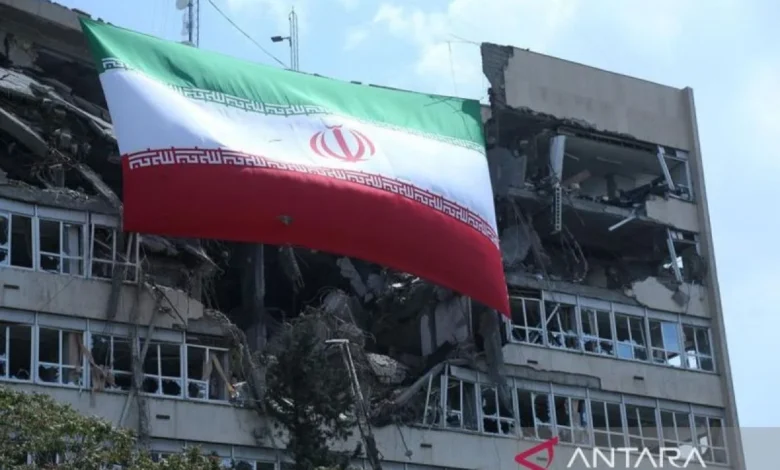
The geopolitical landscape of the Middle East has entered a period of unprecedented volatility following the publication of a provocative "target list" by Hamshahri, a prominent media outlet closely affiliated with the municipal government of Tehran and the Iranian establishment. The publication, which features thirteen high-ranking world leaders and political figures, identifies individuals whom the outlet claims must face "retribution" following the death of Iran’s Supreme Leader, Ayatollah Ali Khamenei. This development comes at a time of extreme friction between the Islamic Republic and a coalition of Western and regional powers, primarily the United States and Israel. The infographic, titled with messages of vengeance, depicts these leaders in orange jumpsuits—symbolism traditionally associated with prisoners—and places several, including U.S. President Donald Trump and Israeli Prime Minister Benjamin Netanyahu, directly within the crosshairs of a sniper’s scope.
The emergence of this list follows a seismic shift in the Iranian leadership structure. In the wake of Ali Khamenei’s passing, which Iranian sources attribute to a coordinated military operation by the United States and Israel, his son, Ayatollah Mojtaba Khamenei, has been elevated to the position of Supreme Leader. In his inaugural address to the nation, Mojtaba Khamenei signaled a hardline approach to foreign policy, asserting that the "blood of the martyr" demands a response that resonates across the globe. While the Iranian government has not formally adopted the Hamshahri list as an official state execution order, the outlet’s proximity to the centers of power in Tehran suggests that the publication serves as a calculated psychological operation and a reflection of the internal sentiment within the Islamic Republic’s security apparatus.
The Identified Targets: A Breakdown of the Hamshahri List
The list published by Hamshahri is notable not only for its aggression but for its broad geographic and political scope. It includes heads of state, defense officials, and diplomats from the United States, Israel, and several European nations. The individuals identified are as follows:
- Donald Trump, President of the United States
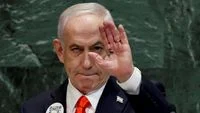
- Benjamin Netanyahu, Prime Minister of Israel
- Israel Katz, Minister of Defense of Israel
- Pete Hegseth, United States Secretary of Defense
- Marco Rubio, United States Secretary of State
- Emmanuel Macron, President of France
- Keir Starmer, Prime Minister of the United Kingdom
- Friedrich Merz, Chancellor of Germany
- Giorgia Meloni, Prime Minister of Italy
- Mike Huckabee, United States Ambassador to Israel
- Admiral Brad Cooper, Commander of U.S. Naval Forces Central Command (CENTCOM)
- Gideon Sa’ar, Minister of Foreign Affairs of Israel
- Additional high-ranking security officials within the Israeli intelligence community.
The inclusion of newly appointed U.S. officials such as Pete Hegseth and Marco Rubio underscores Tehran’s focus on the incoming administration’s "maximum pressure" rhetoric. Furthermore, the targeting of European leaders like Keir Starmer and Friedrich Merz indicates a significant breakdown in the diplomatic channels that previously existed between Tehran and the E3 (France, Germany, and the UK). By including these figures, the Iranian media outlet is signaling that it views the entire Western security architecture as complicit in the strike against Ali Khamenei.
Chronology of Escalation: From Strike to Successor
The current crisis traces its origins to a series of escalating military exchanges that culminated in the death of Ayatollah Ali Khamenei. According to reports from the region, a high-precision strike targeted a secure facility where the Supreme Leader was meeting with senior commanders of the Islamic Revolutionary Guard Corps (IRGC). The operation, described by Western intelligence sources as a defensive measure against imminent regional threats, was immediately characterized by Tehran as an act of international terrorism and a declaration of total war.
In the forty-eight hours following the event, the Assembly of Experts moved with uncharacteristic speed to confirm Mojtaba Khamenei as the new Supreme Leader. Mojtaba, who has long been a powerful figure behind the scenes and maintains deep ties to the IRGC, utilized his first public appearance to unify the various factions of the "Axis of Resistance." His speech did not provide a specific timeline for retaliation but emphasized that "justice would be served through the hands of the faithful."
Following this address, the Hamshahri publication appeared, providing a visual representation of the rhetoric coming from the new leadership. The use of the orange jumpsuit imagery is widely interpreted by analysts as a grim reference to the iconography used by militant groups in the region, intended to humiliate the Western leaders depicted.
Geopolitical Context and Iranian Propaganda Strategy
The publication of "hit lists" is a tactic that Iran-affiliated media and proxy groups have employed in the past, though rarely with this level of specificity regarding sitting heads of state. Historically, such lists have served two primary purposes: domestic mobilization and international deterrence. Domestically, the list provides a grieving and angry population with a clear set of "enemies" to blame for the nation’s loss. Internationally, it serves as a form of "gray zone" warfare, creating a sense of insecurity among the targeted individuals and their respective security details without crossing the threshold into a formal military engagement.
Security experts note that while Hamshahri is a municipal newspaper, its editorial direction is heavily influenced by the conservative establishment. "This is not a rogue publication," noted a senior Middle East analyst. "It is a trial balloon. It allows the regime to signal its intent and gauge the international reaction while maintaining a degree of plausible deniability. If the government wants to de-escalate later, they can dismiss the list as the work of an overzealous editorial board."
However, the inclusion of military commanders like Admiral Brad Cooper of CENTCOM suggests a more tactical threat. CENTCOM oversees U.S. military operations across the Middle East, and naming its leadership directly correlates with Iran’s stated goal of expelling U.S. forces from the region.
International Reactions and Security Implications
The international community has reacted with a mixture of condemnation and heightened security protocols. In Washington, the Secret Service and the Department of State have reportedly reviewed the security details for the President and the cabinet members mentioned. A spokesperson for the U.S. National Security Council stated that while they do not comment on specific intelligence matters, the United States takes all threats from state-affiliated entities seriously and will hold the Iranian regime accountable for any harm directed at U.S. personnel.
In Israel, Prime Minister Benjamin Netanyahu’s office issued a brief statement reaffirming that Israel would not be deterred by "theatrical threats from a regime in crisis." Israeli security services, including the Mossad and Shin Bet, have reportedly increased surveillance on Iranian assets abroad, fearing that the publication could inspire "lone wolf" attacks or operations by IRGC-backed cells in Europe and the Americas.
European capitals have expressed deep concern over the inclusion of their leaders. In London, Downing Street described the list as "unacceptable and inflammatory," while Berlin emphasized that such rhetoric only serves to further isolate Iran from the global community. The targeting of Friedrich Merz and Giorgia Meloni is particularly significant, as it suggests Iran no longer sees any value in maintaining the "neutrality" or "mediation" roles that some European nations had attempted to play in the past.
Economic and Regional Stability Impacts
Beyond the immediate security threats, the escalation has sent shockwaves through global markets. Following the news of Khamenei’s death and the subsequent threats against world leaders, oil prices saw a sharp spike, with Brent crude rising by over 5% in a single trading session. Investors are particularly concerned about the security of the Strait of Hormuz, a vital maritime chokepoint through which approximately 20% of the world’s oil supply passes.
Recent reports indicate that India has already advised its citizens against working on vessels transiting the Strait of Hormuz, citing the "unpredictable security environment." This move mirrors actions taken during previous periods of high tension and underscores the reality that the conflict is no longer confined to the political sphere but is actively disrupting global trade and labor.
The Iranian parliament has also reinforced this economic leverage, with several members stating that "regional security is a package deal." This is a thinly veiled threat that if Iran’s leadership is targeted, the security of global energy corridors will no longer be guaranteed.
Fact-Based Analysis: Rhetoric vs. Reality
While the Hamshahri list is undeniably provocative, a factual analysis suggests that the likelihood of Iran successfully targeting a sitting U.S. President or European head of state is extremely low. These individuals are protected by the most sophisticated security apparatuses in the world. However, the threat to secondary targets—such as diplomats, military commanders in the field, or former officials—is considered much more credible.
The case of the 2020 assassination of Qasem Soleimani serves as a historical precedent. Following his death, Iran issued "arrest warrants" for Donald Trump and dozens of other U.S. officials. While no arrests were made, the IRGC has been linked to several disrupted plots targeting former U.S. officials on American soil in the years since.
The current situation is differentiated by the death of Ali Khamenei himself. For the Iranian establishment, the loss of the Supreme Leader is an existential blow. The transition to Mojtaba Khamenei is a period of vulnerability for the regime, and aggressive propaganda like the "13 Targets" list may be necessary to project strength to both the Iranian public and the "Axis of Resistance" proxies in Lebanon, Yemen, and Iraq.
Conclusion and Future Outlook
The publication of the target list by Hamshahri marks a dark new chapter in the ongoing confrontation between Iran and the West. As the region waits to see how Mojtaba Khamenei translates his rhetoric into action, the international community remains on high alert. The inclusion of thirteen specific names has moved the conflict from the realm of abstract geopolitical rivalry into a deeply personal and specific confrontation.
Whether this list remains a piece of political propaganda or serves as a blueprint for future clandestine operations remains to be seen. What is clear, however, is that the traditional norms of diplomatic engagement have been discarded. With the Middle East standing on the precipice of a broader conflict, the focus now shifts to the intelligence agencies and diplomatic corridors of the world, where the next moves in this high-stakes game of survival and revenge will be decided. The stability of the global economy and the safety of international leaders now hinge on whether de-escalation is still possible, or if the "crosshairs" published in Tehran have already set an irreversible course toward war.
Related posts: