Indonesia Poised for Enhanced Biosecurity with Integrated Customs and Quarantine Inspections at Entry Points

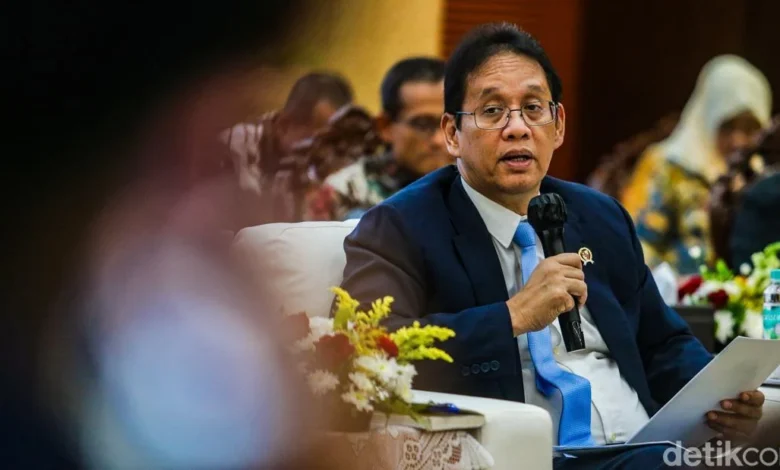
Jakarta, Indonesia – In a significant move set to bolster Indonesia’s national biosecurity and streamline trade processes, the Ministry of Finance has given the green light for officers from the National Quarantine Agency (Barantin) to directly participate in monitoring customs scanning machines. This pivotal decision, announced by Minister of Finance Purbaya Yudhi Sadewa following a crucial meeting with Barantin Head Abdul Kadir Karding, marks a critical step towards a more integrated and robust border control system for the archipelago nation. The initiative aims to close existing surveillance gaps, particularly concerning agricultural products and live animals, ensuring that items entering the country undergo comprehensive quarantine scrutiny alongside customs clearance.
A Pivotal Shift in Border Control
The announcement signals a long-anticipated operational integration between two key government agencies responsible for safeguarding Indonesia’s borders. For years, the Directorate General of Customs and Excise (Bea Cukai), under the Ministry of Finance, has been the primary authority managing goods entering and exiting the country, utilizing advanced scanning technology to detect contraband, undeclared items, and taxable goods. However, the specialized expertise required for identifying potential biosecurity threats – such as pests, diseases, and prohibited biological materials – traditionally falls under Barantin’s purview. The new policy bridges this gap by embedding quarantine experts directly into the initial inspection phase, allowing for real-time identification of items requiring specific quarantine handling.
Minister Purbaya Yudhi Sadewa confirmed that the regulatory framework for such joint supervision already exists, enshrined in a previous Ministerial Regulation (PMK 19). This regulation had initially stipulated collaborative oversight between Barantin and Bea Cukai at critical entry points like seaports and airports, leveraging Customs’ existing infrastructure. However, its full implementation had been suspended due to what Purbaya described as a lack of technical readiness on Barantin’s part at the time. "It wasn’t revoked," Purbaya clarified during an interview at his office in Central Jakarta on Friday, July 24, 2026. "There was a joint supervision with the Quarantine Agency under PMK 19, utilizing Customs facilities, working together. But at that time, they weren’t ready, so it was postponed." Now, with Barantin asserting its readiness, the Ministry of Finance is prepared to move forward with the necessary revisions to activate and fully implement this collaborative mechanism.
The Catalyst: Barantin’s Urgent Appeal
The impetus for this renewed push came directly from Barantin Head Abdul Kadir Karding, who visited Minister Purbaya earlier the same day. Karding’s agenda for the meeting was multifaceted, focusing on strengthening data integration, enhancing export and import services, and critically, addressing significant surveillance loopholes that have allowed potentially hazardous items to bypass proper quarantine procedures. Karding highlighted a fundamental disparity in risk assessment: what might appear innocuous to a customs officer scanning for dutiable goods could represent a severe biosecurity threat to a quarantine expert.
"Currently, people sometimes bring in fruits, bring in pets, and they often slip past quarantine because we don’t have officers there, or our data isn’t relayed with the X-ray data at Customs," Karding explained following his meeting at the Ministry of Finance. He specifically pointed out the vulnerability of the system to items like fresh produce and live animals, which often carry hidden risks of pests, pathogens, or invasive species. These items, if undetected and unchecked, could introduce devastating diseases or agricultural pests into Indonesia’s sensitive ecosystems and agricultural sectors, potentially incurring massive economic losses and environmental damage. His proposed solution was direct and pragmatic: integrate quarantine officers into the immediate inspection process at Customs scanning machines. "Today, praise be to God, the Minister agreed to fix this by revising PMK 19," Karding added, emphasizing the urgency and importance of the proposed changes.
Finance Ministry’s Endorsement and Prudent Approach
Minister Purbaya’s "green light" is a testament to the recognized necessity of strengthening Indonesia’s border biosecurity. He acknowledged the value of Barantin’s presence, stating, "They wanted to join monitoring our scanners so they could also see if there are items that need quarantine, or various other things—agricultural goods and so on, meat, all sorts of things come through there. It’s good, I think we will run it." However, Purbaya’s endorsement comes with a pragmatic caveat: ensuring the robust technical readiness of both agencies. Before full implementation, he insists on a thorough review of the operational preparedness of technical teams from both sides. "They said they are ready, but I told them to meet with the technical team first to confirm if they are truly ready or not. If they are ready, then it will proceed," Purbaya elaborated, underscoring a commitment to meticulous planning over hasty execution. This cautious approach aims to prevent the recurrence of the previous suspension and ensure a seamless, effective operational rollout.
The revision of PMK 19 is expected to formalize the detailed procedures for this joint supervision. This will likely include protocols for information sharing, joint training programs, and clear delineation of responsibilities between Customs and Quarantine officers during the inspection process. The aim is not just to detect but also to enable swift and appropriate action—whether it’s immediate isolation, destruction, or further laboratory examination of suspicious items.
Unpacking the Regulatory Framework: PMK 19 and Its Evolution
Ministerial Regulation (PMK) 19, though not explicitly detailed in the provided text, serves as the foundational legal instrument for inter-agency cooperation at Indonesia’s borders. Such regulations typically outline the scope of collaboration, define the roles and responsibilities of each involved agency, and establish the operational procedures for joint activities. The initial intent of PMK 19 was evidently to create a unified inspection front, allowing agencies like Barantin to leverage the significant infrastructure and operational capabilities of Bea Cukai. The delay in its implementation, attributed to Barantin’s technical unpreparedness, highlights the complexities inherent in multi-agency integration, particularly when dealing with specialized equipment and distinct mandates.
The proposed "revision" of PMK 19, rather than a full "revocation" as initially suggested by Karding, indicates a refinement or amendment of the existing regulation to align it with current operational realities and Barantin’s enhanced capabilities. This approach is often preferred in regulatory processes as it preserves the original legal foundation while adapting it to evolving needs. The revision will likely detail specific provisions for Barantin officers’ access to Customs’ X-ray and other scanning facilities, the protocols for joint decision-making, the mechanism for data exchange, and the training requirements for personnel involved. This legal clarity is crucial for ensuring smooth inter-agency operations and preventing jurisdictional disputes. The administrative process for such a revision typically involves drafting by the relevant ministries, inter-ministerial consultations, and eventual promulgation by the Minister of Finance, following review and approval.
The Critical Importance of Biosecurity in Indonesia
Indonesia, an archipelagic nation with immense biodiversity and a substantial agricultural sector, faces unique and heightened biosecurity risks. Its geographical spread across thousands of islands, coupled with its position as a major trading hub and a popular tourist destination, makes it highly vulnerable to the introduction of invasive species, agricultural pests, and animal and plant diseases. The economic consequences of a biosecurity breach can be catastrophic. For instance, outbreaks of diseases like African Swine Fever (ASF) in pigs, Avian Influenza (bird flu) in poultry, or various plant diseases like citrus greening or coffee rust, can decimate entire agricultural industries, impact food security, and result in substantial financial losses for farmers and the national economy.
Indonesia’s livestock and horticulture sectors, which contribute significantly to the national Gross Domestic Product (GDP) and employ millions, are particularly susceptible. The direct economic cost of managing an outbreak, including culling, containment, and treatment, can run into hundreds of millions of dollars. Beyond direct costs, there are long-term impacts on export markets (due to trade bans), consumer confidence, and environmental health. Therefore, robust biosecurity measures at all points of entry are not merely regulatory hurdles but essential safeguards for national prosperity and ecological integrity. The integration of Barantin officers directly into the Customs inspection process represents a proactive measure to fortify these defenses, moving from a reactive containment strategy to a more preventative approach at the border.
Operational Integration: Challenges and Opportunities
Implementing this joint inspection system presents both challenges and significant opportunities. Operationally, it will require seamless coordination at every level. Technical considerations include ensuring that Customs’ scanning equipment can effectively highlight areas of interest for quarantine purposes, and that Barantin officers are adequately trained to interpret X-ray images for biological threats. This will necessitate the development of joint Standard Operating Procedures (SOPs) that clearly outline workflows, decision-making hierarchies, and communication protocols between the two agencies.
Logistically, the physical presence of Barantin officers at busy ports and airports, alongside their Customs counterparts, will require dedicated workstations, access to relevant databases, and potentially, co-located offices within inspection areas. The success of the integration will heavily depend on effective data sharing, where real-time information from Customs scans can be immediately cross-referenced with Barantin’s risk assessment databases for specific goods, origins, or known threats.
However, the opportunities presented by this integration far outweigh the challenges. By detecting potential biosecurity threats earlier in the inspection process, the system can significantly reduce the risk of contaminated or infected goods entering the domestic supply chain. This proactive detection can also lead to faster processing times for legitimate trade, as items cleared by both agencies simultaneously can move through the supply chain more efficiently. For importers and exporters, this could mean reduced delays and improved predictability, ultimately boosting trade facilitation. Moreover, the joint presence creates a more formidable deterrent against illicit trade in restricted biological materials, exotic animals, or uncertified agricultural products.
Broader Implications for Trade Facilitation and Economic Growth
The enhanced biosecurity framework is expected to have far-reaching implications for Indonesia’s trade landscape. By strengthening its border controls, Indonesia reinforces its commitment to international phytosanitary and zoosanitary standards. This commitment can significantly boost confidence in Indonesian agricultural and animal product exports, potentially opening new markets or solidifying existing ones. Countries importing from Indonesia will have greater assurance that goods originating from the archipelago meet stringent health and safety requirements, thereby reducing barriers to trade.
Conversely, for imports, a more secure and efficient inspection process reduces the risk of costly outbreaks that could disrupt domestic production and supply chains. While the initial focus is on prevention, the long-term benefit is a more resilient and competitive agricultural sector. The improved data integration and inter-agency collaboration could also serve as a model for other areas of government, fostering a more holistic and efficient approach to national governance and service delivery. The streamlining of inspection processes, once fully optimized, is anticipated to contribute to an improved Ease of Doing Business index for Indonesia, attracting more foreign investment and fostering domestic economic growth.
A Harmonized Future: Inter-Agency Collaboration as a Model
The decision to proceed with integrated Customs and Quarantine inspections is a testament to the Indonesian government’s increasing emphasis on inter-agency collaboration and data-driven governance. In an era where global trade is complex and threats are ever-evolving, no single agency can effectively manage all aspects of border control in isolation. This initiative sets a precedent for how different government bodies with distinct mandates can pool resources, share expertise, and synchronize operations to achieve common national objectives.
Future steps will involve intensive technical meetings, potentially pilot projects at select high-volume entry points, and continuous evaluation to refine the operational protocols. Success will hinge on sustained political will, adequate resource allocation, and a commitment to ongoing training and technological upgrades. The effective implementation of this integrated system will not only fortify Indonesia’s defenses against biological threats but also project an image of a modern, well-governed nation capable of managing complex trade and security challenges. It marks a crucial step towards a more harmonized, efficient, and secure future for Indonesia’s trade and biosecurity landscape, safeguarding both its economy and its invaluable natural heritage.
Related posts: