PT Kereta Api Indonesia Manages Extensive Rolling Stock Fleet to Meet Soaring Passenger and Freight Demands, Bolstering National Connectivity

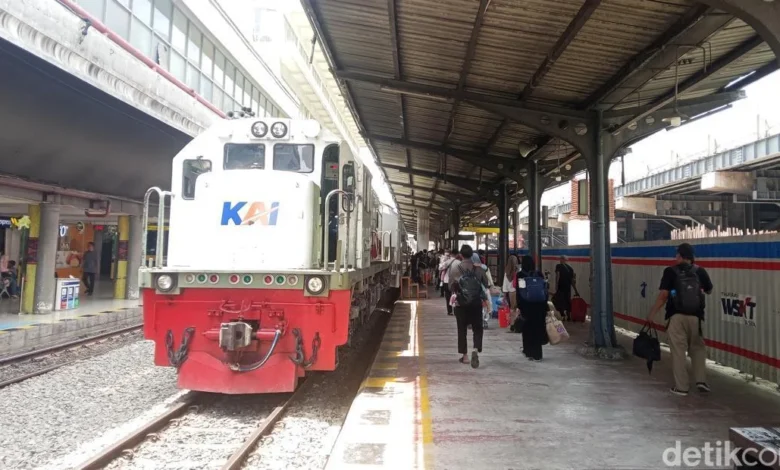
Jakarta – PT Kereta Api Indonesia (KAI), the state-owned railway operator, continues to fortify its position as a cornerstone of Indonesia’s transportation infrastructure, managing an extensive fleet of 12,856 rolling stock units designed to meet the nation’s burgeoning demand for both passenger and freight services. This formidable fleet, encompassing a diverse array of locomotives, electric multiple units (EMUs), passenger coaches, freight wagons, and diesel-electric multiple units (DEMUs), is pivotal in ensuring seamless connectivity across the vast archipelago, facilitating economic growth, and enhancing public mobility. The robust management and continuous optimization of these assets are critical for KAI to uphold its commitment to safety, reliability, and efficiency, especially as the country experiences significant shifts in its transportation landscape.
The Backbone of National Mobility: KAI’s Vast Rolling Stock Fleet
As of the latest reporting, KAI’s operational capacity is underpinned by a meticulously maintained inventory of 12,856 rolling stock units. This comprehensive count includes 551 powerful locomotives, which serve as the primary traction for both long-distance passenger and heavy-haul freight trains; 1,064 Electric Multiple Units (KRL), predominantly deployed for high-frequency commuter services in metropolitan areas; 2,238 passenger coaches, catering to various classes of intercity travel; an overwhelming 8,907 freight wagons, which are indispensable for the distribution of essential commodities and industrial goods; and 96 Diesel Electric Multiple Units/Indonesia (KRDE/I), offering flexible services in non-electrified or regional routes. This strategic composition of rolling stock reflects KAI’s multifaceted operational mandate, balancing the high-volume requirements of urban commuting with the extensive demands of intercity travel and critical logistics.
Anne Purba, Vice President Corporate Communication of KAI, underscored the paramount importance of this expansive fleet in maintaining the system’s overall capacity and reliability. "The mobility of our society and the efficient distribution of logistics fundamentally rely on the readiness of our rolling stock in adequate numbers," Purba stated in a recent release on Sunday, July 19, 2026. "Each locomotive, KRL, passenger coach, freight wagon, and KRDE/I plays a complementary role in ensuring that our services remain safe, reliable, and aligned with the evolving needs of our customers." The sheer scale of this inventory, particularly the dominance of freight wagons, highlights KAI’s strategic emphasis on bolstering the national supply chain and supporting key economic sectors.
A detailed breakdown of the fleet reveals that freight wagons constitute the largest segment, accounting for 8,907 units, or approximately 69.28% of the total rolling stock. This substantial proportion underscores the strategic importance KAI places on freight logistics, recognizing its critical role in the national economy. Passenger coaches follow with 2,238 units (17.41%), reflecting KAI’s commitment to intercity passenger services. KRLs make up 1,064 units (8.28%), primarily serving the densely populated urban corridors. Locomotives, the workhorses of the railway system, number 551 units (4.29%), providing the necessary power for diverse operations. Finally, KRDE/I units, offering versatility in regional services, comprise 96 units, or about 0.75% of the fleet. This composition is not accidental but a calculated deployment of assets to address specific market demands and operational requirements.
Driving Passenger Connectivity: A Surge in Ridership
The robust management of this fleet directly translates into enhanced service delivery, evident in KAI Group’s impressive passenger growth figures. In the first half of 2026 alone, KAI Group successfully served an astonishing 258,993,359 passengers. This represents a significant 7.55% increase compared to the 240,805,920 passengers recorded during the corresponding period in 2025. This upward trend is a clear indicator of the growing public trust in rail transport, driven by factors such as improved service quality, competitive pricing, increased connectivity, and the inherent advantages of rail travel in an increasingly congested urban landscape.
The surge in passenger numbers is multifaceted, reflecting various socio-economic dynamics. Post-pandemic recovery has undoubtedly played a role, as people resume travel for work, leisure, and family visits. KAI’s continuous efforts to modernize its stations, enhance onboard amenities, and improve punctuality have also contributed to a more attractive passenger experience. Furthermore, the strategic expansion of commuter rail networks, particularly in major agglomeration areas like Greater Jakarta, has made daily commuting more efficient and sustainable for millions. Intercity services, ranging from economy to executive classes, have also seen increased patronage as travelers seek reliable and comfortable alternatives to road and air transport for medium-distance journeys. This consistent growth solidifies rail’s position as an indispensable mode of public transportation in Indonesia, driving social interaction and regional integration.
Powering the Economy: KAI’s Freight Logistics Prowess
Beyond passenger services, KAI plays an equally vital role in facilitating national economic activities through its extensive freight operations. In the first half of 2026, KAI transported a substantial volume of 32,498,043 tons of goods, underscoring its critical contribution to the country’s supply chain and industrial ecosystem. This impressive figure comprises 26,534,095 tons of coal, highlighting the railway’s crucial role in moving bulk commodities essential for energy production, and 5,963,948 tons of non-coal goods. The sheer volume of coal transported by rail is a testament to KAI’s capacity to support Indonesia’s vast energy sector, ensuring a stable supply to power plants and industrial facilities across the islands.
The non-coal commodities segment is diverse and reflects the breadth of KAI’s logistical support for various industries. It includes essential construction materials like cement, critical energy resources such as fuel oil, and a wide array of containerized goods that facilitate inter-island and international trade. Furthermore, KAI transports bulk commodities, agricultural products from plantations, general cargo, and even parcel deliveries, connecting producers with markets and consumers across vast distances. This comprehensive freight service supports key sectors including construction, manufacturing, agriculture, mining, and retail, acting as a crucial artery for the movement of raw materials and finished products. The efficiency and cost-effectiveness of rail freight, especially for long-distance and bulk transport, are increasingly recognized as vital for reducing logistics costs and enhancing the competitiveness of Indonesian industries in both domestic and global markets.
Ensuring Operational Excellence: The Rigorous Maintenance Regimen
The immense scale of KAI’s operations and the critical nature of its services necessitate an equally rigorous and systematic approach to rolling stock maintenance. Ensuring the safety, reliability, and longevity of each unit is paramount, involving a multi-tiered inspection and maintenance framework. Before any rolling stock unit is dispatched for service, it undergoes a stringent series of inspections to verify compliance with technical, safety, and operational standards. This pre-service check is a crucial first line of defense, identifying and addressing any potential issues that could compromise safety or operational efficiency.
Beyond daily checks, periodic maintenance is conducted based on a combination of operational time, accumulated mileage, component condition monitoring, and the expert assessment of maintenance personnel. This structured approach ensures that wear and tear are addressed proactively, preventing minor issues from escalating into significant operational failures. The maintenance activities are meticulously carried out at two primary levels: Depots and Balai Yasa. Depots are strategically located across the network and are responsible for routine inspections, minor repairs, and daily operational maintenance tasks, ensuring that trains are ready for service on a day-to-day basis. These facilities are equipped to handle essential functions such as brake system checks, fluid level top-ups, and general visual inspections, keeping the fleet in optimal running condition for daily operations.
For more extensive and specialized maintenance, KAI relies on its Balai Yasa facilities. These are large-scale workshops equipped with advanced machinery and highly skilled technicians capable of performing heavy repairs, comprehensive overhauls, and even manufacturing certain components. Balai Yasa facilities handle tasks with a greater scope and complexity, such as engine rebuilds for locomotives, major structural repairs for coaches and wagons, complete electrical system overhauls for EMUs, and scheduled full-component replacements. The distinction between Depots and Balai Yasa ensures that maintenance efforts are appropriately scaled, from routine checks that support daily operations to intensive interventions that extend the operational life and ensure the structural integrity of the rolling stock. This systematic maintenance regime is foundational to KAI’s impeccable safety record and its ability to consistently deliver reliable services.
Strategic Vision and Future Expansion
The impressive operational performance and robust fleet management by PT Kereta Api Indonesia are not merely a reflection of current capabilities but also a testament to a forward-looking strategic vision. The continuous growth in passenger and freight volumes necessitates a well-planned expansion of capacity, which includes not only the acquisition of new rolling stock but also the modernization of existing units and the development of supporting infrastructure. "Customer growth must be accompanied by planned capacity readiness," Anne Purba emphasized. "The availability of rolling stock, technical reliability, maintenance facilities, and continuous renewal are interconnected parts in addressing society’s mobility needs."
KAI’s long-term strategy involves several key pillars. Firstly, fleet renewal and modernization are ongoing priorities, with plans to replace older rolling stock with more technologically advanced, energy-efficient, and comfortable units. This includes investments in new generation locomotives, higher capacity EMUs for commuter lines, and specialized freight wagons to cater to evolving logistical demands. Secondly, network expansion and improvement are crucial. The Indonesian government, recognizing the strategic importance of railways, has been actively supporting projects such as double-tracking initiatives, the construction of new railway lines to connect remote areas and industrial zones, and the integration of rail services with other modes of transport. These infrastructure developments directly impact KAI’s operational capabilities, allowing for increased train frequency, higher speeds, and expanded service coverage.
Furthermore, KAI is actively exploring digital transformation initiatives to enhance operational efficiency, improve customer experience, and implement predictive maintenance technologies. The adoption of IoT (Internet of Things) sensors on rolling stock for real-time monitoring of performance and condition, advanced analytics for optimizing train scheduling, and mobile applications for ticketing and information are all part of KAI’s commitment to becoming a smart railway system. These technological advancements, coupled with ongoing investment in human capital development to ensure a skilled workforce, are critical for KAI to navigate future challenges and opportunities.
Broader Economic and Social Implications
PT Kereta Api Indonesia’s extensive operations and strategic investments have profound broader economic and social implications for Indonesia. Economically, KAI plays a crucial role in reducing logistics costs for industries, thereby enhancing their competitiveness and contributing directly to the national GDP. The efficient movement of goods, particularly bulk commodities and containerized cargo, supports manufacturing, mining, agriculture, and construction sectors, fostering regional economic growth. Moreover, by providing reliable and affordable transportation, KAI stimulates tourism, facilitates trade, and supports the development of new economic centers along its network.
Socially, KAI significantly enhances connectivity and accessibility for millions of Indonesians. It provides a safer and often faster alternative to road travel, reducing travel times and mitigating the risks associated with road accidents. The commuter rail services, in particular, alleviate urban congestion, improve air quality, and offer a more sustainable commuting option for city dwellers. By connecting various regions, KAI strengthens social cohesion, allows for greater access to education and healthcare, and supports a more balanced regional development. The environmental benefits are also noteworthy; rail transport is inherently more energy-efficient and generates significantly fewer carbon emissions per passenger-kilometer or ton-kilometer compared to road transport, aligning with Indonesia’s national commitments to climate action and sustainable development goals.
In conclusion, PT Kereta Api Indonesia stands as a vital pillar of Indonesia’s national development, expertly managing an expansive and diverse rolling stock fleet to meet the ever-growing demands for passenger and freight transportation. The impressive growth in ridership and freight volumes in the first half of 2026 underscores the critical role KAI plays in the nation’s economic vitality and social well-being. Through continuous investment in fleet modernization, rigorous maintenance, and strategic expansion, KAI is not just moving people and goods; it is building a more connected, efficient, and sustainable future for Indonesia. The dedication to operational excellence and forward-thinking strategy ensures that KAI remains at the forefront of national infrastructure development, poised to adapt and thrive amidst future challenges and opportunities.
Related posts: