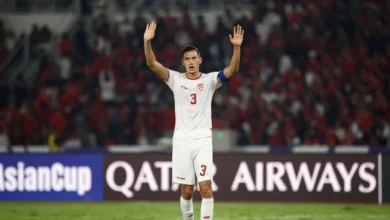
Hari Olahraga Nasional: A Historical Retrospective on Indonesia’s Journey Toward Physical Excellence and National Unity

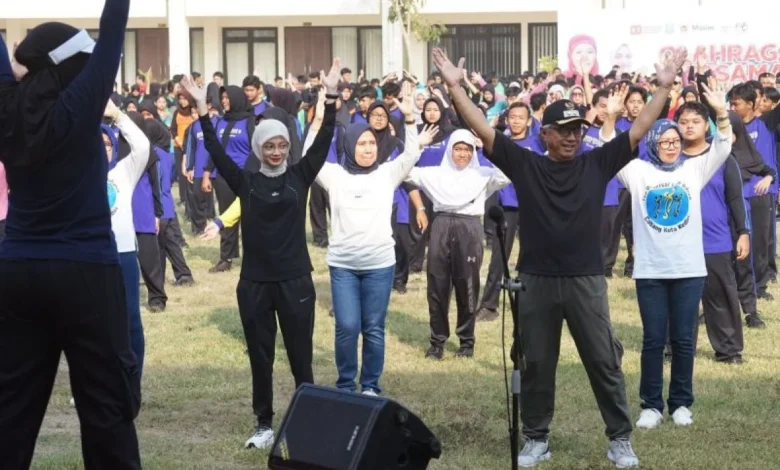
Every September 9, Indonesia observes Hari Olahraga Nasional (Haornas), a day that transcends mere physical activity to serve as a profound symbol of the nation’s resilience and identity. While modern celebrations often focus on fitness trends and athletic achievements, the roots of Haornas are deeply embedded in the struggle for sovereignty. The commemoration serves as a critical juncture for reflection on the historical trajectory of Indonesian sports, bridging the gap between the monumental spirit of the 1948 Pekan Olahraga Nasional (PON) and the contemporary goal of fostering a healthy, disciplined, and globally competitive society.
The Genesis of a Movement: The 1948 PON in Solo
The history of Hari Olahraga Nasional is inseparable from the inaugural Pekan Olahraga Nasional (PON), held in Solo, Central Java, from September 9 to September 12, 1948. At the time, Indonesia was a nascent nation grappling with the immense pressures of post-independence consolidation. The decision to organize a nationwide sporting event was not merely for leisure; it was a strategic political maneuver.
In 1948, Indonesia sought to participate in the XIV Olympic Games in London. However, the international community had not yet widely recognized Indonesia’s sovereignty, and the fledgling nation faced insurmountable administrative hurdles. Undeterred, the Indonesian government—under the guidance of visionaries who understood that sports could serve as a vehicle for national branding—decided to host its own "Olympiad" within its borders.
The success of the first PON was a turning point. It signaled to the world that despite political instability and territorial disputes, Indonesia possessed the organizational capacity and the national spirit to mobilize its youth. By holding the event on September 9, the date became permanently etched into the national consciousness as the foundational pillar of the Indonesian sporting identity.
Institutionalizing the Spirit: From 1983 to the Modern Era
While the event began in 1948, it took several decades for the date to be formally codified into a national celebration. The formalization of Haornas occurred on September 9, 1983, when then-President Soeharto presided over the restoration of the historic Sriwedari Stadium in Surakarta. This act was more than a ceremonial gesture; it was a deliberate policy move aimed at integrating sports into the national development agenda.
The momentum gathered by this initiative eventually led to the enactment of Presidential Decree (Keppres) Number 67 of 1985. This legal instrument officially designated September 9 as the annual Hari Olahraga Nasional. The decree underscored the government’s commitment to continuous athletic development, ensuring that the spirit of 1948 would not merely be a historical footnote but a permanent focus of the state.
As of 2026, Indonesia marks the 43rd anniversary of the official Haornas proclamation. Over these four decades, the focus has shifted from establishing the legitimacy of the nation to ensuring the physical health of its population, the professionalization of its athletes, and the expansion of the sports industry as a pillar of the national economy.
The Role of Sports in National Character Building
Beyond the pursuit of medals and podium finishes, the Ministry of Youth and Sports (Kemenpora) emphasizes that Haornas is a cornerstone of the "national character-building" project. In the 2025 and 2026 guidelines, the Ministry highlighted that sports are an essential component of the national identity.
The philosophy behind this is multifaceted:
- Physical Well-being: Encouraging a sedentary-free lifestyle to combat the rising prevalence of non-communicable diseases.
- Social Cohesion: Sports serve as a neutral ground where individuals from diverse backgrounds—regardless of ethnicity, religion, or social status—can interact and compete under a unified set of rules.
- Discipline and Resilience: The training regimes required for athletic excellence instill values of perseverance, goal-setting, and emotional regulation, which are vital for the nation’s workforce.
Economic and Health Implications
The contemporary sporting landscape in Indonesia has expanded far beyond the track and field. The government has increasingly recognized the role of the "Sport Economy." As noted by current government officials, the development of the sports sector is directly linked to positive economic outcomes, including job creation in event management, sports technology, facility construction, and athletic training.
For instance, the vision of transforming regions like Sumba Timur into "sport tourism" hubs during the lead-up to future PON iterations indicates a strategic move to link regional development with athletic infrastructure. Furthermore, the government’s recent discussions regarding the investment of approximately Rp1.5 trillion into the creation of national training academies reflect a shift toward a science-based approach to talent identification and development.
However, the path forward is not without challenges. Infrastructure maintenance, the need for increased private sector participation, and the digitalization of sports management remain key hurdles. Experts suggest that for Indonesia to compete on a consistent global scale, the focus must shift from periodic, event-based funding to a consistent, grassroots-up approach that prioritizes community access to quality facilities.
Chronology of Indonesian Sporting Milestones
- 1948 (Sept 9–12): The first PON is held in Solo, marking the birth of independent Indonesian sports.
- 1983 (Sept 9): President Soeharto formally announces the national commemoration of Haornas during the renovation of Sriwedari Stadium.
- 1985: Presidential Decree (Keppres) No. 67 is issued, legally mandating the annual observation of Haornas.
- 2020s: The shift in focus toward "Sport Tourism" and the integration of digital health and athletic training technologies.
- 2026 (Sept 9): The 43rd official anniversary of the Haornas declaration, focusing on the intersection of grassroots fitness and national athletic prestige.
Analysis: Bridging the Gap Between Grassroots and Elite Sports
A critical analysis of the current state of Indonesian sports reveals a dichotomy: while Indonesia has successfully managed to host large-scale, world-class events like the Asian Games and various PON iterations, the "sporting culture" at the average household level requires further cultivation.
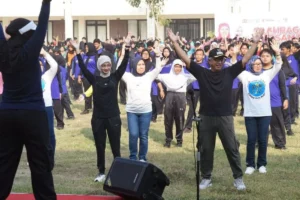
The integration of sports into daily life remains a priority for Kemenpora. By encouraging schools, workplaces, and local communities to engage in routine physical activity, the government aims to reduce the national healthcare burden while identifying new talent at the district level. The modern Haornas, therefore, acts as a reminder that a nation’s strength is not just measured by the number of gold medals in its trophy cabinet, but by the physical and mental vitality of its citizens.
Looking Ahead: The Future of Haornas
As Indonesia moves further into the 21st century, the commemoration of September 9 is evolving. It is no longer just about looking back at the 1948 pioneers; it is about looking forward to how Indonesia can leverage its demographic bonus to produce healthier, more productive citizens.
The push for better sports infrastructure—such as the recent government proposals for centralized, state-of-the-art training academies—signifies a move toward professionalization. If successful, these initiatives will provide a pathway for young athletes to transition from community-level participants to international competitors, effectively closing the loop on the original vision of the founders of the 1948 PON.
As the nation marks the 43rd official Haornas in 2026, the message remains clear: sports are the heartbeat of the nation. Whether it is through an amateur morning jog in a Jakarta park, a local school football match in the provinces, or a professional training camp for future Olympians, the spirit of September 9 continues to drive the Indonesian narrative of growth, unity, and physical empowerment.
The history of Haornas is a testament to the fact that when a nation invests in its physical culture, it invests in its own future. As the country looks to the next generation of athletic excellence, the lessons of the past serve as a foundation upon which a more vibrant, active, and competitive Indonesia is being built.
Related posts: