Amman Mineral Internasional Completes Landmark Copper Smelter in West Sumbawa, Catalyzing Indonesia’s Mineral Downstreaming Ambitions

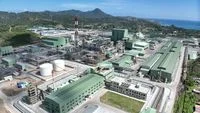
PT Amman Mineral Internasional Tbk (Amman) has officially announced the completion of its state-of-the-art copper smelter in West Sumbawa Regency, West Nusa Tenggara, marking a pivotal moment for Indonesia’s national strategic projects and its robust drive towards mineral downstreaming. This monumental achievement not only solidifies the nation’s commitment to enhancing the added value of its abundant mineral resources but also positions Indonesia as a significant player in the global refined copper market. The facility, a crucial component of Indonesia’s industrialization strategy, is designed to process copper concentrate into high-value products, fostering economic growth, job creation, and technological advancement within the archipelago. The formal conclusion of the project, including the successful commissioning and performance guarantee tests, signifies its readiness for long-term, full-scale operations, reinforcing Amman’s integral role in the country’s economic transformation.
Background to Indonesia’s Downstreaming Imperative
Indonesia, a nation blessed with vast reserves of natural resources, including significant deposits of copper, nickel, bauxite, and tin, has for decades largely exported its raw mineral concentrates. This practice, while generating revenue, has been criticized for forfeiting the substantial economic benefits derived from processing these raw materials into higher-value products. Recognizing this opportunity cost, the Indonesian government embarked on an ambitious policy of "hilirisasi" or downstreaming, aimed at transforming the country from a raw material exporter into a producer of sophisticated, value-added goods. This strategy is underpinned by a series of regulations, including phased export bans on certain raw minerals, compelling mining companies to invest in domestic processing facilities such as smelters and refineries. The core objectives of this policy are multi-faceted: to boost national income through higher export values, create millions of direct and indirect jobs, attract foreign and domestic investment in industrial infrastructure, foster technology transfer, and build a more resilient and diversified economy less susceptible to commodity price volatility. The completion of Amman’s copper smelter stands as a testament to the tangible progress being made in realizing this national vision, transforming a policy aspiration into a concrete industrial reality. It underscores a broader governmental push that has seen similar investments in nickel processing, with copper now firmly in the spotlight.
A Smelter of Global Significance: Capacity and Output
The Amman copper smelter is not merely a processing facility; it represents one of the most technologically advanced and integrated copper smelting and precious metal refining complexes globally. Designed with an impressive annual processing capacity of up to 900,000 metric tons of copper concentrate, the facility is poised to significantly impact Indonesia’s industrial output. The primary feedstock for the smelter will initially be sourced from Amman’s flagship Batu Hijau mine, one of the world’s largest copper and gold mines. In the future, the supply will be augmented by concentrate from the nascent Elang mine, further ensuring the long-term sustainability and operational efficiency of the smelter.
The integrated facility is engineered to produce a diverse range of high-value products that are critical inputs for various advanced industries worldwide. These include high-purity copper cathodes, which are essential for electrical wiring, electronics, and renewable energy technologies like solar panels and wind turbines. Beyond copper, the smelter will also yield precious metals such as gold and silver, both highly sought after in jewelry, investment, and high-tech applications. Furthermore, critical by-products like sulfuric acid, a fundamental chemical in various industrial processes including fertilizer production and petroleum refining, and selenium, a semiconductor material used in electronics and specialized alloys, will also be produced. The domestic production of these materials drastically reduces Indonesia’s reliance on imports for such vital industrial components, while simultaneously opening new avenues for export of finished goods. This comprehensive output profile underlines the smelter’s role not just in processing copper, but in contributing to a broader ecosystem of high-tech and essential industries, aligning with global trends towards electrification, digitalization, and sustainable energy.
Project Timeline and Milestones
The journey to complete the Amman copper smelter has been a complex and challenging endeavor, reflecting the scale and ambition of the project. The conceptualization and initial planning phases for the smelter were initiated in response to the Indonesian government’s push for mineral downstreaming, with a clear mandate for major mining companies to develop domestic processing capabilities. Construction began in earnest several years ago, navigating a myriad of challenges inherent in large-scale industrial projects, including the complexities of logistics in a remote island location, the demanding technical specifications for a modern smelter, and the unprecedented disruptions caused by the global COVID-19 pandemic. Supply chain bottlenecks, travel restrictions, and health protocols posed significant hurdles, necessitating robust adaptive strategies and unwavering commitment from all stakeholders.
A critical milestone in the project’s development was the comprehensive commissioning phase, which involved rigorous testing of all systems and processes to ensure operational readiness and efficiency. This period, which spanned over a year, saw the facility gradually brought online, with each component meticulously evaluated for performance and safety. The official completion of the project was formally recognized with the signing of the Completion and Project Acceptance Certificate (PAC) between Amman and its engineering, procurement, and construction (EPC) partner, China Nonferrous Metal Industry’s Foreign Engineering and Construction Co., Ltd. (NFC). This significant ceremony took place in Beijing, China, on July 18, 2024, affirming that all construction work and commissioning activities had been successfully concluded in accordance with the contractual scope. While the facility had already been operational for over a year, demonstrating its capability, the PAC signing signifies that all performance guarantee tests have been met, officially ushering the smelter into its long-term operational phase. This formal handover marks the culmination of years of dedicated effort, engineering prowess, and strategic partnership, solidifying Amman’s commitment to delivering on its promises and contributing to Indonesia’s industrial future.
Leadership Perspectives and Official Endorsements
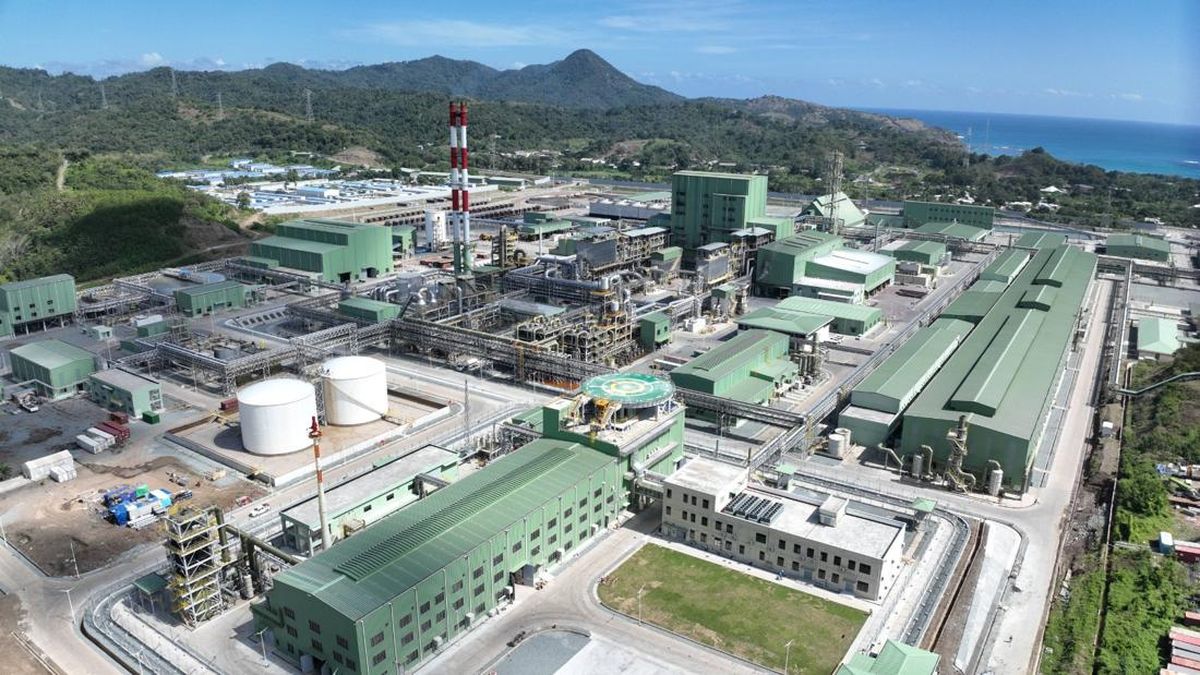
The completion of the smelter has been met with significant enthusiasm from Amman’s leadership, underscoring the strategic importance of the project. Arief Sidarto, President Director of Amman Mineral Internasional, emphasized the collaborative spirit that underpinned the achievement. "The completion of this smelter project is a significant achievement for Amman. Behind it lies the hard work, resilience, and strong collaboration of all our employees and partners in overcoming various challenges during the construction and commissioning process," Sidarto stated in a press release. He further reiterated the company’s unwavering commitment to supporting the national downstreaming agenda championed by the Indonesian government. Sidarto also articulated a forward-looking perspective, expressing hope that "the policy ecosystem supporting the competitiveness of domestic processing and mining industries can continue to be strengthened so that Indonesia can maximize the benefits of downstreaming and remain competitive amidst global dynamics." This statement highlights the industry’s need for consistent and supportive regulatory frameworks to fully capitalize on these massive investments.
While specific government reactions were not detailed in the initial report, it is highly inferable that the Indonesian government, particularly ministries involved in investment, energy, and industry, would welcome this development with strong praise. Officials from the Ministry of Energy and Mineral Resources or the Ministry of Investment would likely commend Amman for its commitment to national development and its role in fulfilling the downstreaming mandate. Such statements typically emphasize how projects like this contribute to the nation’s economic resilience, technological advancement, and self-sufficiency in critical industrial materials. The successful partnership with NFC also signifies positive international collaboration, an aspect often highlighted by government bodies promoting foreign investment and technological transfer. The project is seen as a tangible demonstration of Indonesia’s ability to attract and execute large-scale, complex industrial ventures, thereby enhancing its appeal as an investment destination.
Economic and Strategic Implications for Indonesia
The operationalization of Amman’s copper smelter carries profound economic and strategic implications for Indonesia. Foremost among these is the dramatic increase in value addition. By processing raw copper concentrate domestically into refined copper cathodes and other high-value products, Indonesia captures a significantly larger share of the commodity’s value chain. This transformation means that instead of exporting concentrate at, for instance, $3,000 per ton, Indonesia will export copper cathodes potentially valued at $8,000-$10,000 per ton (these figures are illustrative and vary with market conditions), effectively multiplying the export revenue from the same amount of mined material. This enhanced value directly translates into higher national income, improved trade balances, and increased foreign exchange earnings, strengthening the country’s macroeconomic fundamentals.
The project also serves as a massive engine for job creation. During its multi-year construction phase, the smelter project provided thousands of direct and indirect employment opportunities for engineers, construction workers, technicians, and support staff. In its operational phase, the facility will sustain hundreds of highly skilled jobs, ranging from metallurgical engineers and chemical specialists to operational managers and maintenance personnel. Beyond direct employment, the smelter’s presence will stimulate growth in auxiliary industries, including logistics, transportation, energy supply, and various service sectors, creating a ripple effect of economic activity and further employment opportunities within West Sumbawa and the broader West Nusa Tenggara province. This regional development aspect is crucial for equitable growth across the archipelago.
Strategically, the smelter significantly bolsters Indonesia’s self-sufficiency and global market position. By producing refined copper domestically, Indonesia reduces its reliance on imported refined metals, enhancing its industrial security. Furthermore, as a major producer of copper cathodes, Indonesia strengthens its standing in the global metals market, gaining more leverage and influence in international trade. The outputs of the smelter—copper cathodes, gold, silver, and other critical chemicals—are essential for a range of burgeoning global industries, particularly those related to the green energy transition and digital economy. With global demand for electric vehicles, renewable energy infrastructure, and advanced electronics soaring, Indonesia is strategically positioning itself to be a key supplier of the foundational materials for these future-oriented sectors. This move diversifies Indonesia’s economy beyond traditional raw commodity exports, moving towards a more sophisticated, manufacturing-driven model. The investment also fosters technological transfer and local expertise development, as Indonesian workers and engineers gain invaluable experience in operating and maintaining advanced metallurgical processes, building a skilled workforce capable of supporting future industrial growth.
Challenges and Future Outlook
While the completion of Amman’s smelter represents a significant triumph, the journey ahead is not without its challenges. Operating a large-scale industrial facility like a copper smelter requires substantial and reliable infrastructure, particularly in terms of energy supply, water resources, and robust logistics networks for transporting raw materials and finished products. Ensuring a consistent, affordable, and sustainable power supply will be critical for the smelter’s long-term viability, especially given the energy-intensive nature of smelting operations.
Furthermore, the smelter will operate within the dynamic landscape of global market fluctuations. Copper prices, demand for refined products, and geopolitical factors can all impact profitability and operational strategies. Amman, like other major players, will need to navigate these external variables effectively. Environmental considerations are also paramount. Smelters, by their nature, can have significant environmental footprints, including air emissions and waste generation. Adherence to stringent environmental regulations, adoption of best practices in waste management, and investment in emission reduction technologies will be crucial for sustainable operations and maintaining social license to operate. Amman’s commitment to modern and integrated facilities suggests an emphasis on environmental stewardship, but continuous monitoring and improvement will be essential.
Looking ahead, the long-term sustainability of raw material supply is a key factor. While the Batu Hijau mine provides a robust initial supply, the development of the Elang mine will be vital for extending the smelter’s operational life and maximizing its potential. The success of this smelter also sets a precedent and provides valuable lessons for other downstreaming projects in Indonesia, fostering a more conducive environment for future industrial investments. As Arief Sidarto highlighted, a supportive and consistent policy ecosystem remains crucial. This includes clear regulations, attractive investment incentives, and a level playing field that allows Indonesian industries to compete effectively on the global stage. The government’s continued commitment to fostering such an environment will determine the ultimate success and proliferation of Indonesia’s downstreaming ambitions.
In conclusion, Amman Mineral Internasional’s successful completion of its copper smelter in West Sumbawa stands as a monumental achievement, not just for the company, but for Indonesia’s ambitious industrialization strategy. It is a powerful demonstration of the nation’s capacity to translate its abundant natural resources into higher-value products, fostering economic growth, creating jobs, and strengthening its position in the global economy. This strategic investment marks a new era for Indonesia’s mineral sector, setting a precedent for future projects and reinforcing the country’s resolve to move beyond being a mere exporter of raw materials towards becoming a sophisticated producer of critical industrial goods for the 21st century.
Related posts: