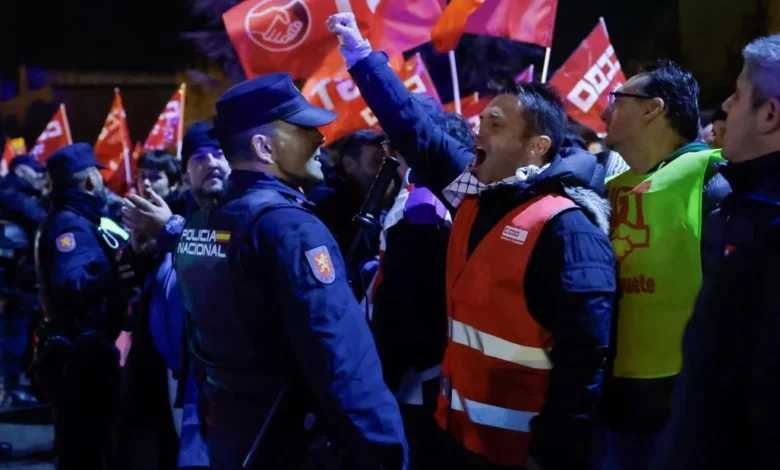
MADRID — Spain witnessed a massive display of labor unrest on Wednesday, November 11, 2026, as trade unions across the nation initiated a 24-hour general strike. The industrial action, which paralyzed key logistics hubs and industrial centers, was fueled by an escalating housing crisis that has left a significant portion of the working class unable to afford decent accommodation. From the bustling corridors of Madrid to the industrial zones of Catalonia, workers took to the streets and picket lines to demand radical changes in wage policies and housing regulations.
The strike, which centered on the intersection of labor rights and the right to shelter, highlighted the growing chasm between stagnating real wages and the soaring costs of property ownership and rental markets in Spain. As the nation prepares for a pivotal snap election scheduled for November 29, 2026, the movement has placed economic survival at the very heart of the national political discourse.

The Epicenter of Discontent: Logistics and Industry
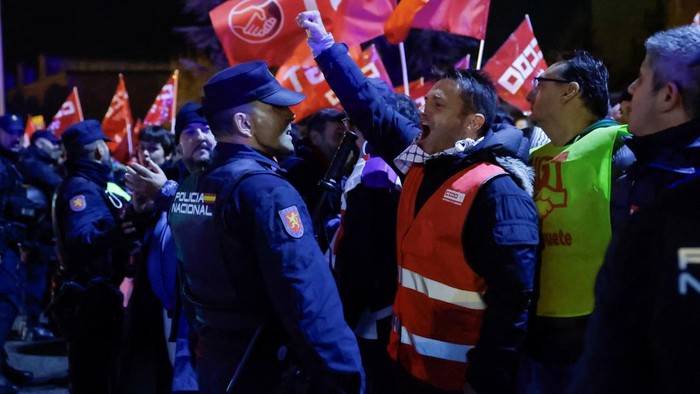
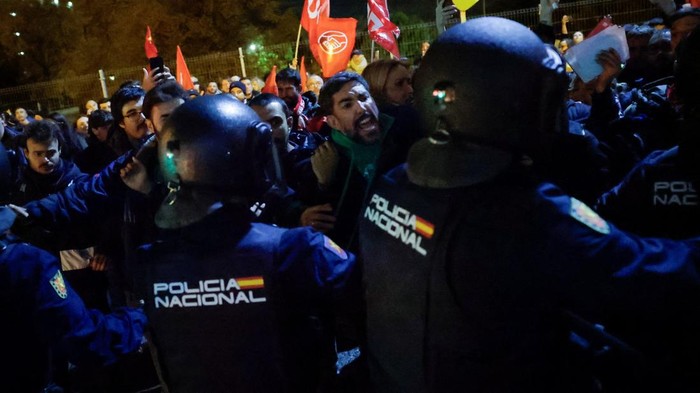
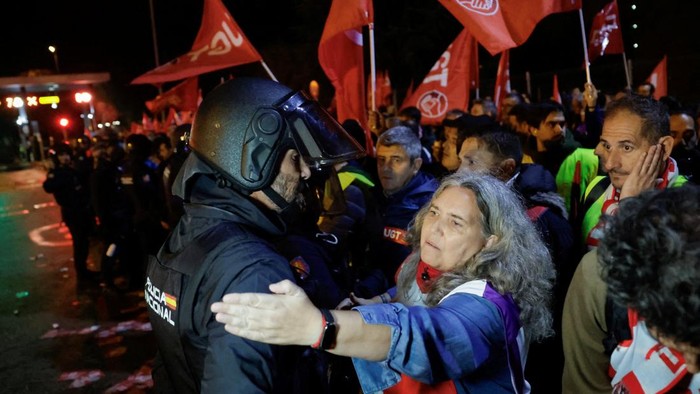
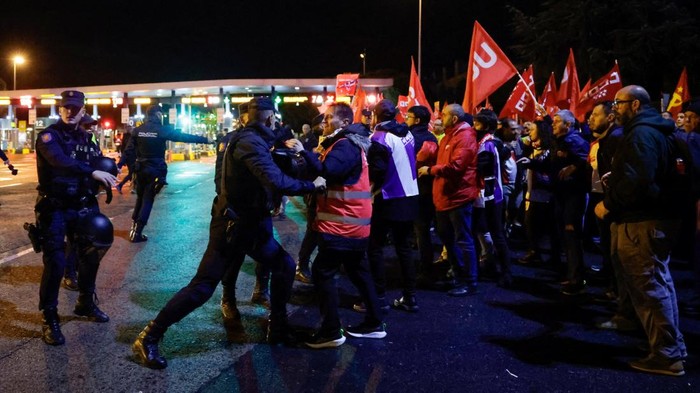
The impact of the strike was most visible at the Mercamadrid, the primary wholesale market for fresh produce in the Spanish capital. By the early hours of Wednesday, picket lines had formed at the facility’s entrances, disrupting the distribution network that feeds much of central Spain. Police were deployed in significant numbers to manage the crowds, with minor tensions erupting as protesters blocked access points to express their frustration.
For many workers at the site, the cost of living—specifically rent—has outpaced their income by an unsustainable margin. "We are working full-time jobs, yet we are effectively priced out of the city we serve," stated one labor representative during the morning standoff. This sentiment was echoed by thousands of participants nationwide, who argued that current labor contracts fail to account for the skyrocketing inflation seen in the housing sector over the past several years.
Background: A Housing Market in Crisis
The roots of the current crisis are complex, involving a combination of stagnant supply, the proliferation of short-term holiday rentals, and an influx of international investment capital that has driven prices beyond the reach of the average Spanish household. According to recent economic data, the price of rental units in major urban centers like Madrid, Barcelona, and Valencia has increased by nearly 30% over the last four years, while nominal wages have struggled to see growth beyond 3-4% annually.
Young people and low-income families have been the hardest hit. Many individuals under the age of 35 remain in the family home long into their adulthood, as the barrier to entry for even modest apartments remains prohibitively high. Government efforts to implement rent caps in certain "stressed areas" have met with mixed success and legal challenges from property owner associations, who argue that such measures discourage investment and exacerbate the supply shortage.
Chronology of the Escalation
The build-up to the November 11 strike did not occur in a vacuum. It was the culmination of months of rising social frustration:
- Early 2026: Increased reports of mass evictions in urban peripheries prompted the first wave of local protests.
- August 2026: Trade union federations began formalizing a unified platform, demanding that the government link minimum wage adjustments to the Consumer Price Index (CPI) specifically weighted for housing costs.
- October 2026: Following the announcement of the November 29 snap elections, union leaders consolidated their demands, warning of a "total stoppage" if the administration did not address the housing emergency before the ballot.
- November 11, 2026: The 24-hour general strike commences, effectively halting significant portions of the country’s transport and wholesale sectors.
The Political Stakes: A Nation Divided
The strike occurs just weeks before a snap election, turning the housing crisis into a definitive wedge issue. Analysts suggest that the timing of the industrial action is a strategic maneuver to force the incumbent administration and opposition parties to commit to more aggressive housing policies.
The current government has attempted to pivot by proposing an increase in social housing stock, aiming to build 50,000 new units by 2030. However, labor groups argue that this is too little, too late. "Building for the future does nothing for the person being evicted today," a spokesperson for the strikers remarked. Conversely, opposition parties have criticized the government for failing to deregulate the construction sector, arguing that the bottleneck in housing is largely a result of bureaucratic hurdles that prevent new developments.
Economic Implications and Labor Market Pressure
The economic impact of the 24-hour strike is expected to be significant, though the full extent will only be clear in the coming days. Beyond the immediate disruption to food supply chains and logistics, the strike forces a difficult conversation about the sustainability of the current Spanish labor model.
Economists point out that the inability to access affordable housing acts as a drag on the labor market itself. When workers are forced to live far from their places of employment due to high costs in city centers, it results in increased commuting times, lower productivity, and decreased quality of life. This "housing-labor mismatch" is increasingly being cited by international credit rating agencies as a long-term risk to the Spanish economy.
Official Responses and Public Sentiment
While the government has called for calm and urged the parties to return to the negotiating table, there is palpable anxiety in the political establishment. The police presence at major sites like Mercamadrid suggests that the government is concerned about the potential for further civil unrest.
Public opinion, meanwhile, appears largely sympathetic to the plight of the workers. Recent polling indicates that over 65% of the Spanish population views the housing crisis as the most pressing issue facing the country, surpassing even unemployment or immigration. This widespread consensus explains the broad support for the strike, as even those not directly involved in the labor sector feel the squeeze of rising costs.
Future Outlook
As the sun set on November 11 and the strike period concluded, the path forward remains uncertain. The immediate question is whether the government will offer concrete, short-term concessions—such as immediate rent subsidies or tax breaks for renters—to quell the anger before the November 29 election.
If the government fails to address these demands, observers expect further, more disruptive actions. Some labor leaders have already hinted at "indefinite strikes" if their core demand for a living wage adjusted to local housing costs is not met.
The crisis has also drawn attention to the role of the European Central Bank (ECB) and its interest rate policies. As mortgage rates have remained high, the cost of borrowing for both homeowners and developers has risen, adding another layer of complexity to the crisis. Spain is now a focal point for a pan-European debate: how can a modern democracy ensure that the fundamental right to shelter is protected in an era of globalized capital and stagnating worker purchasing power?
The events of November 11 have clearly demonstrated that the social contract in Spain is under immense strain. The success of the strike—in terms of participation and public awareness—has fundamentally altered the landscape for the upcoming election. Whether the next administration is capable of navigating these treacherous economic waters, or whether the country remains locked in a cycle of protest and instability, will depend entirely on the policies proposed in the coming weeks. For the millions of Spanish workers standing on the picket lines, the answer cannot come soon enough. Their demand is clear: a wage that reflects the reality of their lives and a home that they can afford to keep.
Related posts: