Why Your Car Brakes Are Squeaking: A Comprehensive Technical Guide to Identifying and Resolving Pitting, Wear, and Mechanical Failure

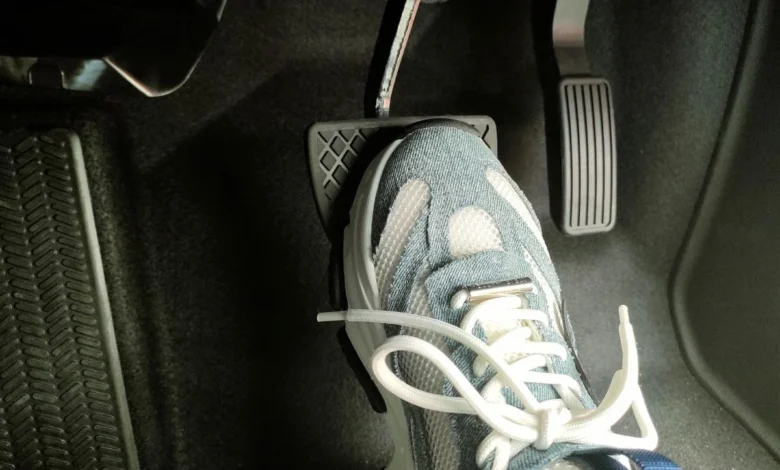
The braking system remains the most critical safety feature in any automobile, serving as the primary mechanism for collision avoidance and passenger protection. As vehicle complexity increases with the integration of advanced driver-assistance systems (ADAS) and heavier electric vehicle (EV) platforms, the demand on friction materials has intensified. Automotive engineers emphasize that even minor auditory irregularities in the braking system—ranging from high-pitched squeals to metallic grinding—should be treated as early warning signs of mechanical degradation. Neglecting these symptoms does not merely compromise passenger comfort; it fundamentally undermines the vehicle’s stopping distance and structural integrity.
Understanding the Mechanics of Brake Noise
To understand why brakes emit noise, one must first recognize the basic physics of the system. When a driver depresses the brake pedal, hydraulic fluid transmits pressure to the brake calipers, which force the brake pads against the spinning metal rotors (discs). This friction converts kinetic energy into thermal energy, slowing the vehicle. Noise occurs when this process is disrupted by contaminants, physical wear, or thermodynamic imbalances.
Industry data suggests that brake-related issues account for approximately 15% to 20% of all mechanical service requests in urban environments. Frequent stop-and-go traffic exacerbates these issues, as constant thermal cycling causes the friction material—the brake pad—to harden or wear unevenly.
Common Causes of Auditory Anomalies in Braking Systems
1. Accelerated Brake Pad Thinning and Wear Indicators
The most prevalent cause of brake noise is the depletion of the friction material. Modern brake pads are equipped with an audible wear indicator, typically a small metal tab designed to scrape against the rotor once the pad reaches a critical thickness (usually 2 to 3 millimeters). This intentional design is meant to alert the driver before the metal backing plate makes contact with the rotor. If the pad is allowed to wear past this point, the backing plate will grind against the rotor, causing irreversible scoring and significantly reducing the coefficient of friction. This scenario not only generates a harsh, grinding sound but also necessitates a more expensive repair involving both pad replacement and rotor resurfacing or replacement.
2. Environmental Contamination and Debris Accumulation
Braking systems operate in a "dirty" environment. Road debris, silica, dust, and moisture are constantly exposed to the brake assembly. When fine particles, such as sand or metallic dust, become trapped between the pad and the rotor, they act as abrasives. This leads to intermittent squealing, especially during light braking maneuvers. In many cases, these contaminants can be dislodged by thorough cleaning, but if debris becomes embedded in the pad material, it may cause persistent scoring on the rotor surface.
3. Thermal Glazing of Brake Pads
Often referred to in technical circles as "brake pad glazing," this condition occurs when the brake pads are subjected to excessive heat over prolonged periods. This is common in mountainous driving, where constant light braking is required, or in heavy traffic where the brakes do not have sufficient time to cool between stops. The extreme heat causes the resin in the pad to melt and harden into a smooth, glass-like surface. A glazed pad loses its "bite," resulting in decreased stopping power and a persistent high-pitched squeal. Unlike wear-related issues, glazed pads often require replacement even if they appear to have adequate thickness.
4. Rotor Surface Irregularities and Disc Runout
The brake rotor is a precision component. Over time, uneven heat distribution can cause the metal to warp or develop "hot spots," leading to a surface that is no longer perfectly parallel to the brake pad. This condition, known as lateral runout, manifests as a rhythmic vibration or "pulsing" felt through the brake pedal. If left unaddressed, this uneven contact surface accelerates pad wear and puts undue stress on the caliper assembly and wheel bearings.
5. Mechanical Misalignment and Hardware Failure
Noise is not always attributable to the pad or rotor. Improper installation—such as missing anti-rattle clips, seized caliper guide pins, or insufficient application of high-temperature brake lubricant on contact points—can cause the components to vibrate at high frequencies. These vibrations, while often subtle, are amplified by the metal components of the vehicle, resulting in a persistent squeaking or clanking sound when the brakes are engaged.
Chronology of Maintenance and Warning Signs
The evolution of brake degradation usually follows a predictable timeline. It often begins with minor squeaks during cold mornings, which may disappear as the brakes warm up. This is frequently due to thin layers of surface rust, which are common in humid climates. However, if the noise persists or increases in intensity, it indicates a transition from environmental factors to structural wear.
Data from automotive safety agencies indicates that vehicles with worn braking components require up to 25% more distance to reach a full stop from 60 km/h compared to vehicles with properly maintained systems. This is a critical margin that can determine the outcome of an emergency stop.
Professional Analysis and Safety Implications
Automotive service managers often note that drivers tend to delay brake maintenance due to the perceived cost. However, the economic impact of "deferred maintenance" is significant. A simple brake pad replacement might cost a fraction of a full system overhaul, which would include replacing severely damaged rotors, calipers, and potentially the hydraulic lines if they have been compromised by excess heat.
"The braking system is a closed-loop safety system," says a representative from a regional automotive safety association. "When one component begins to fail, the increased heat and mechanical stress are immediately transferred to the next part in the chain. Ignoring a squeak for an extra month is essentially a gamble with the safety of the driver and other road users."
When to Seek Expert Inspection
Drivers should treat the following symptoms as immediate triggers for a professional inspection:
- Metallic Grinding: Indicates that the friction material is completely gone and metal-to-metal contact is occurring.
- Pedal Pulsation: A clear sign of warped rotors or uneven wear.
- Vehicle Pulling: If the car pulls to one side during braking, it suggests an uneven application of force, likely due to a seized caliper.
- Extended Stopping Distance: A subjective but critical indicator that the system’s effectiveness is waning.
- Dashboard Warning Lights: Modern vehicles use electronic wear sensors; if the brake warning light illuminates, the system has already reached a critical state.
Conclusion: A Proactive Approach to Safety
In conclusion, while brake noise is a common frustration, it serves as a vital diagnostic tool provided by the vehicle itself. The distinction between a minor nuisance caused by environmental dust and a major safety hazard caused by structural failure is often subtle. A systematic approach to vehicle maintenance—incorporating regular inspections during every oil change or tire rotation—remains the most effective strategy for ensuring the longevity of the braking system. By prioritizing the health of these components, motorists not only ensure a smoother and more predictable driving experience but also fulfill their essential responsibility to maintain road safety standards. Regular professional assessment remains the only way to guarantee that when the pedal is pressed, the vehicle responds with the precision and reliability expected of modern engineering.