A medical clinic located in the South Semarang District of Semarang City, Central Java, has ignited public outrage and profound concern across digital platforms following revelations that it continued to receive patients, dispense medications, and collect consultation fees long after the attending physician had passed away. The sophisticated yet alarming modus operandi came to light through viral social media posts, exposing vulnerabilities in local healthcare oversight and prompting immediate scrutiny from law enforcement authorities.
The scandal first surfaced when a prominent user on the social media platform X, known under the handle Kang Bahar, published a detailed thread warning the public about an unprecedented form of medical deception. According to the viral post, a senior dermatologist had passed away months prior, yet unsuspecting patients continued to visit his established clinic under the impression that he was still active. Instead of meeting the doctor, patients were greeted by clinical assistants who managed consultations, fabricated medical updates, and distributed unregulated pharmacological treatments while pocketing the payments directly.
Subsequent investigations revealed that the deceased medical professional was the late Dr. Agus Sukamto, SpKK, a well-regarded senior dermatology, venereology, and aesthetics specialist who had unfortunately passed away in June 2025. Despite his death, the clinic reportedly operated under a veneer of normalcy, exploiting patient trust and the authority associated with a licensed medical practitioner’s name.
Firsthand Accounts from Unsuspecting Patients
The gravity of the situation became clearer as affected individuals came forward to share their harrowing experiences. Among them is NH, a 31-year-old resident of Semarang who sought dermatological treatment at the clinic earlier this year, entirely unaware that the attending physician was no longer alive.
Recalling her visit, NH noted that she had scheduled a consultation to address a persistent skin condition just a week before the Eid al-Fitr celebrations in 2026. Upon arriving at the clinic, which was integrated with a local apothecary, she was informed by staff members that Dr. Agus was temporarily unavailable because he had recently undergone surgery.
"I only found out about his passing from a reply posted by a certified dermatology, venereology, and aesthetics specialist (SpDVE) on Threads," NH stated during an interview. She recounted how the pharmacy personnel assured her that despite the doctor’s supposed medical leave, her treatment could still proceed. The staff member allegedly offered to photograph NH’s skin condition, transmit the images to the doctor for a remote diagnosis, and subsequently provide the necessary medication in exchange for a direct cash payment.
Unlike traditional medical visits where patients receive formal prescriptions containing specific drug compositions and dosages, NH received no written prescription. Instead, she was handed a plain tubular container filled with a topical ointment. The apothecary staff explicitly marketed the substance as Dr. Agus’s exclusive formula. Operating under complete good faith, NH paid for the treatment without harboring any suspicions. It was only months later, upon encountering public disclosures online, that she realized the profound breach of medical ethics and safety protocols she had unknowingly participated in. While expressing deep shock and dismay, NH confirmed she has no immediate intentions of pursuing legal action, stating her primary resolution is simply never to return to the establishment.
On-the-Ground Investigation and Current Status of the Clinic
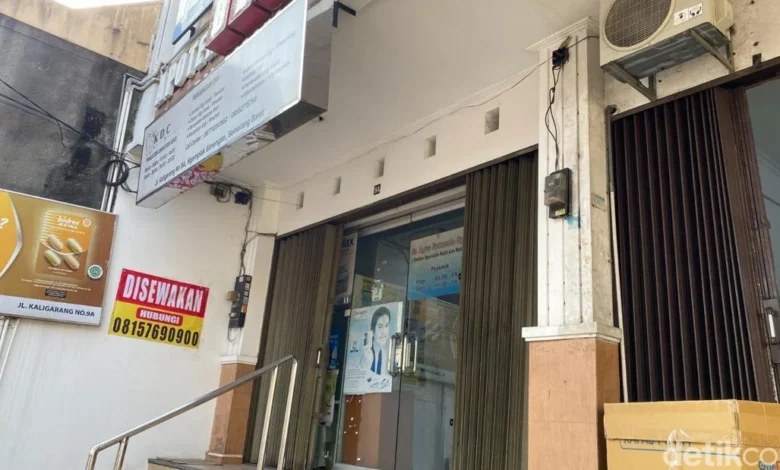
Following the widespread circulation of the allegations on social media, investigative journalists visited the physical location of the clinic, situated along Jalan Kaligarang Raya in the Barusari neighborhood of South Semarang. The physical structure still bore visible indicators of an active medical practice, including a faded sign explicitly reading "Praktek Dokter" (Doctor’s Practice).
Directly adjacent to the entrance, a prominent sticker affixed to the apothecary glass displayed the official practice hours of Dr. Agus Sukamto, SpKK, detailing morning sessions from 08:00 to 09:00 and evening sessions from 16:00 to 19:00. The facility was co-identified as the Besen Kaligarang Apotek.
However, the interior presented a starkly different reality. Upon entry, the apothecary was found to be entirely vacant of commercial inventory. Display cases and medicine shelves had been completely stripped of pharmaceutical products and were undergoing a hurried cleaning process.
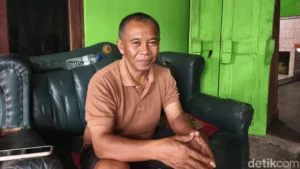
A local parking attendant stationed outside the building reported that the apothecary had abruptly ceased operations two to three days prior to the media visit. The attendant corroborated public reports, confirming that Dr. Agus had died approximately a year prior and noting that patient traffic had dwindled significantly in the months leading up to the complete closure.
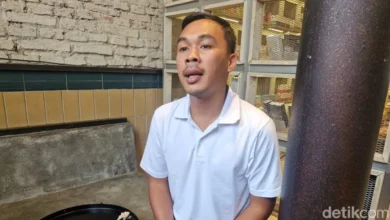
A worker identified as Suci, who was present at the scene overseeing the clearance of the facility, confirmed that the establishment was permanently shutting down its operations and removing remaining fixtures. When questioned about the ongoing practice under a deceased physician’s name, Suci maintained that the facility no longer housed any active doctors or accepted patients.
"It is already closed. We are just packing up and clearing out the remaining items," Suci explained. She acknowledged that Dr. Agus had passed away the previous year and stressed that the clinic had discontinued medical consultations long before the recent social media backlash. According to her, the waiting areas and patient seating arrangements had already been dismantled in anticipation of the complete termination of business activities.
Law Enforcement and Regulatory Response
The revelation of a defunct medical practice continuing to distribute treatments has raised severe legal and public health questions regarding unauthorized medical practice, the illegal dispensing of prescription drugs, and consumer fraud. In Indonesia, the operation of medical clinics and the distribution of pharmaceutical products are strictly regulated under national health laws, requiring active licensing, supervision by certified medical doctors, and adherence to stringent pharmacy regulations.
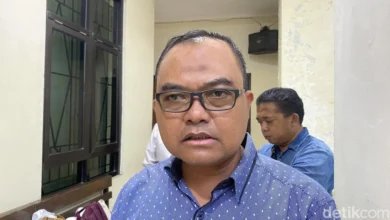
When contacted for an official statement regarding the incident, the Head of Criminal Investigation at the Semarang City Polrestabes, AKBP Andika Dharma Sena, confirmed that law enforcement agencies had not yet received formal complaints from victims or medical associations. However, in light of the widespread public discussion, authorities have initiated preliminary inquiries.
"There are no official reports regarding this matter yet. However, we will investigate and verify the information circulating on social media," AKBP Andika stated via digital correspondence. Legal experts suggest that if investigations substantiate the claims that clinic staff impersonated medical decision-making processes or prescribed medications without a licensed physician’s oversight, those involved could face serious criminal charges under the Indonesian Criminal Code (KUHP) and the Health Law for practicing medicine without a license and endangering public safety.
Broader Implications and Public Health Risks
The Semarang clinic incident has triggered a broader conversation regarding the oversight of independent medical practices, particularly in urban areas where elderly or specialized practitioners have long-standing community ties. Healthcare watchdogs and medical ethics boards have long emphasized the vulnerability of patients who place absolute trust in established clinical brands without verifying the current credentials or availability of the attending physicians.
The unauthorized distribution of compounded ointments and medications by non-medical personnel poses severe clinical risks. Dermatological treatments frequently involve potent corticosteroids, retinoids, or antimicrobial agents that, if improperly prescribed or mismatched to a patient’s actual diagnosis, can lead to severe adverse dermatological reactions, systemic side effects, and delayed treatment of underlying pathologies. Furthermore, the practice of relaying patient symptoms through intermediaries without a direct physical or legally compliant telemedicine consultation violates fundamental medical standards enforced by the Indonesian Medical Association (IDI) and the Indonesian Doctors’ Ethics Code (KODEKI).
Public health advocates are now urging the Central Java Provincial Health Office and the Semarang City Health Department to conduct comprehensive audits of independent clinics and historical practices to ensure that deceased or retired physicians are completely deregistered from public listings and commercial storefronts. Additionally, consumer protection groups are calling for heightened public awareness campaigns to empower patients to verify medical licenses through official regulatory portals before undergoing treatments or consuming unverified pharmaceutical compounds.
As investigations by local law enforcement proceed, the case serves as a stark reminder of the critical need for rigorous institutional oversight, transparent medical administration, and vigilant community standards to safeguard public health against fraudulent practices disguised as traditional healthcare services.