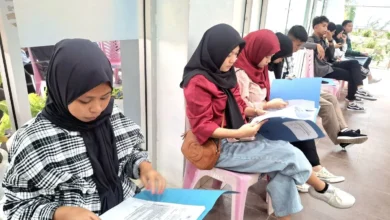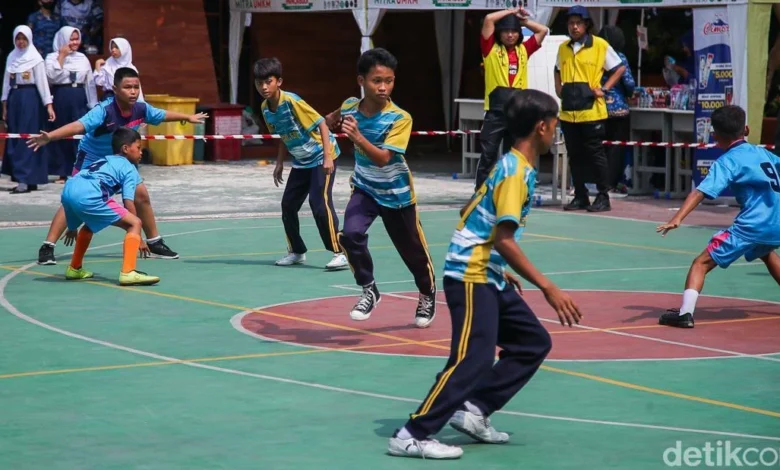
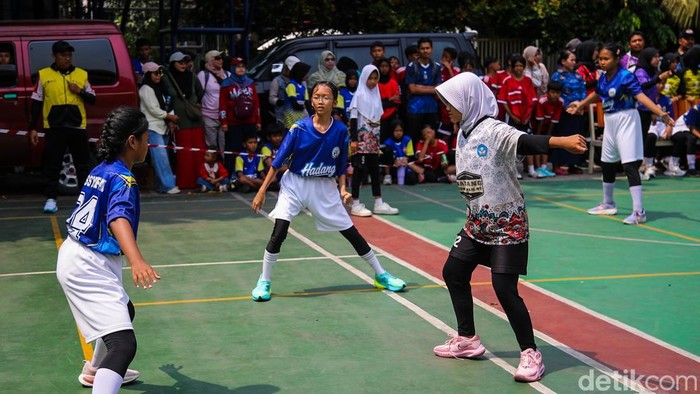
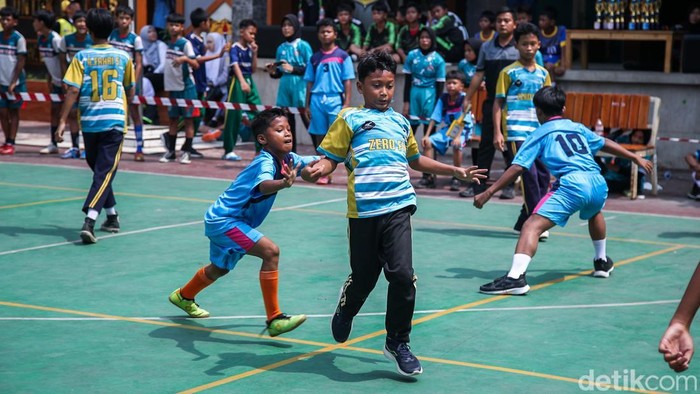
A total of 364 students representing 52 schools across West Jakarta gathered at SMPN 229 on Monday, September 21, 2026, to participate in a high-stakes competition centered on the traditional Indonesian sport of hadang. This event, organized by the West Jakarta Youth and Sports Agency (Sudinpora) in collaboration with the Indonesian Traditional Sports Association (Portina), served as a strategic initiative to revitalize indigenous games amidst the growing dominance of digital entertainment and modern athletics.
The Dynamics of Hadang: A Game of Strategy and Agility
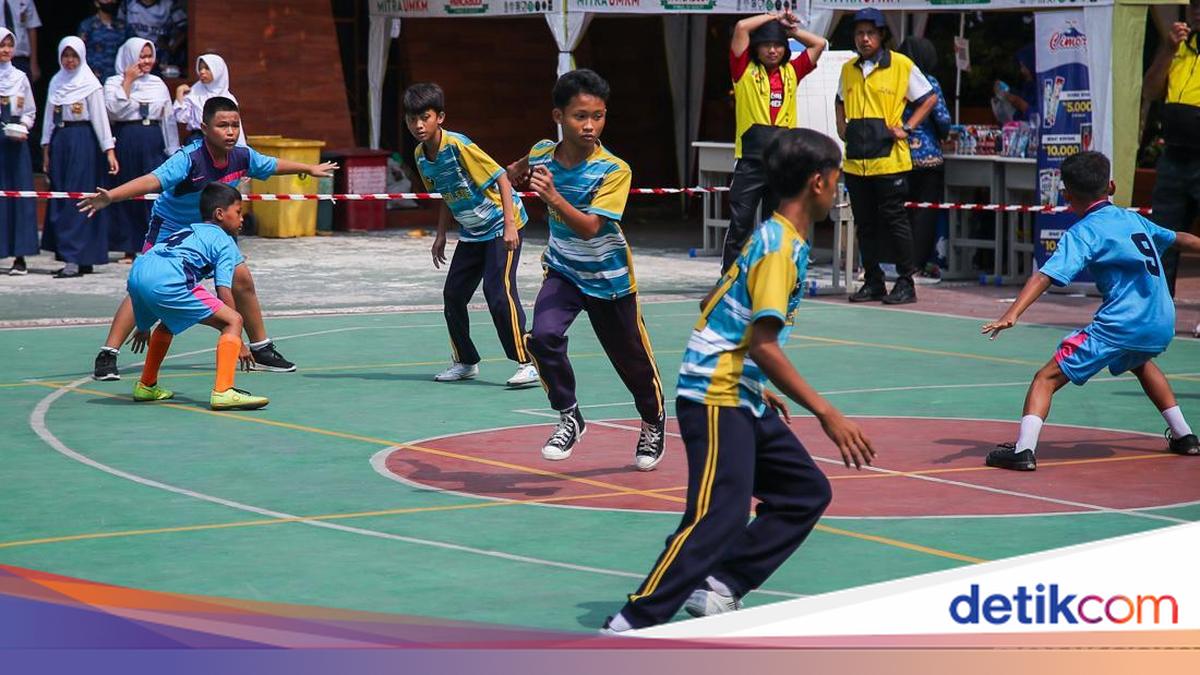
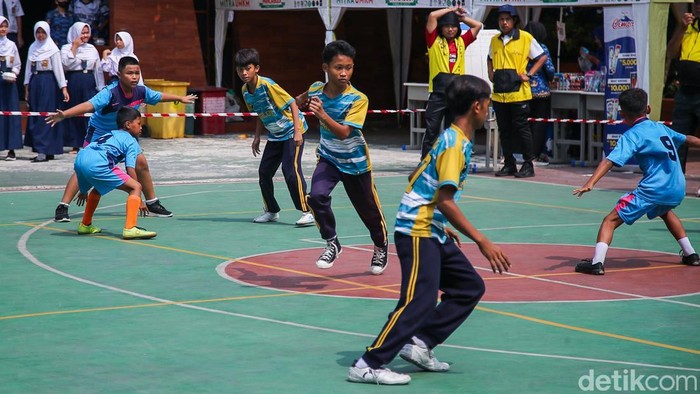
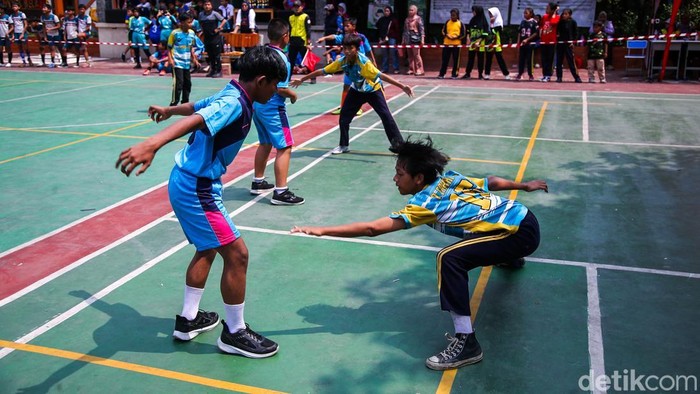
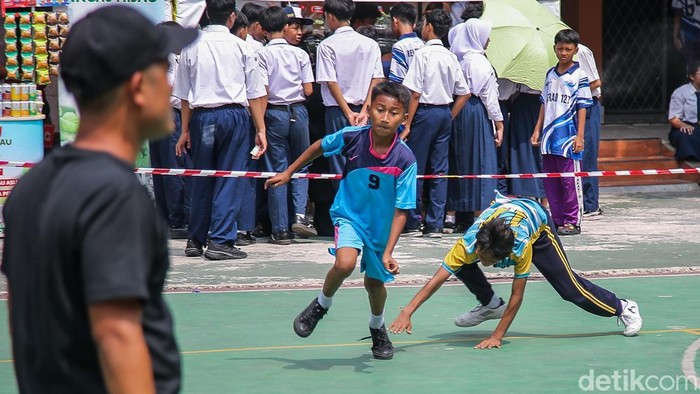
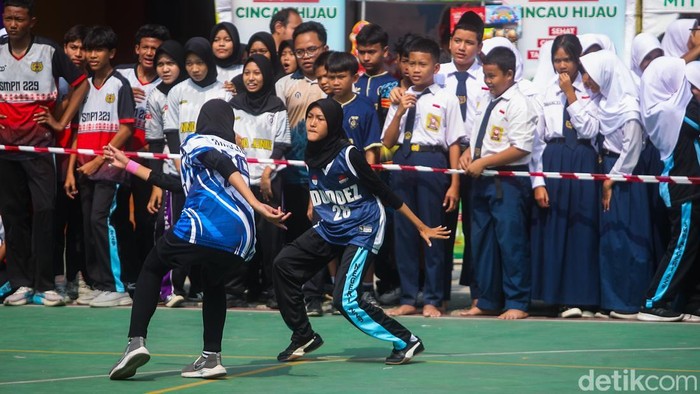
Hadang, more commonly referred to as "gobak sodor" in various regions of Indonesia, is a traditional team-based game that demands a unique combination of physical prowess and cognitive foresight. The objective is deceptively simple: one team must successfully traverse a grid of lines drawn on the ground, while the opposing team acts as "blockers," tasked with preventing the attackers from crossing these lines without being tagged.
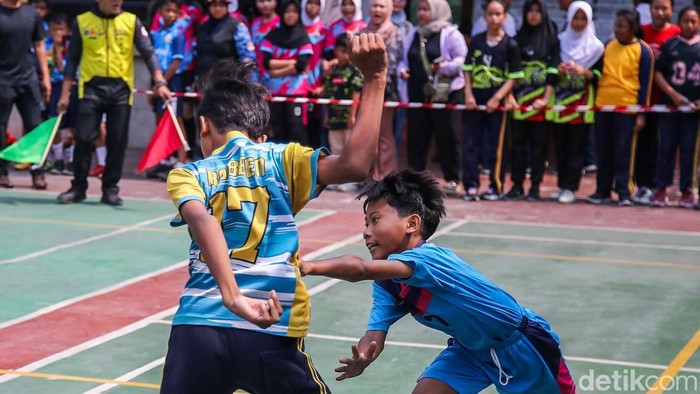
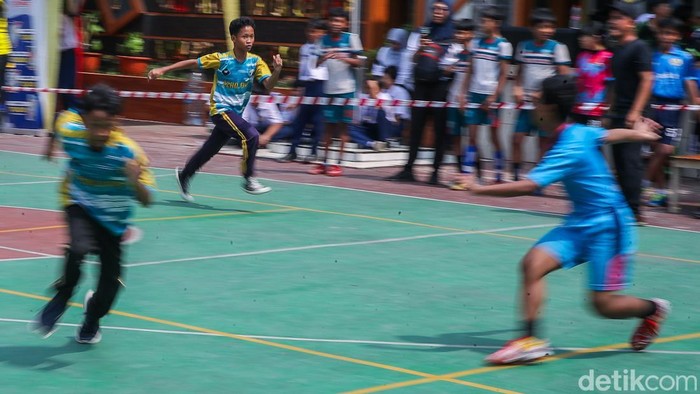
The sport relies heavily on lateral movement, explosive speed, and the ability to read the opponent’s intentions. Unlike many modern individual sports, hadang is fundamentally built on collective coordination. Each player must hold their specific position while communicating fluidly with teammates to close off gaps. This emphasis on group dynamics makes it an ideal pedagogical tool for character building, fostering values such as discipline, empathy, and collective responsibility.
Chronology of the Event
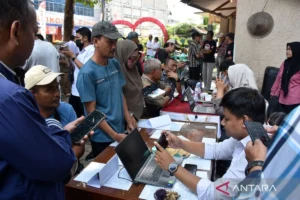
The tournament began in the early morning hours, with teams from both primary and secondary school levels undergoing a rigorous registration and briefing process. The competition format was structured as a knockout tournament to ensure efficiency given the high volume of participating schools.
Throughout the day, the atmosphere at the SMPN 229 venue was electric, with students showcasing intense tactical awareness. Matches were officiated by members of Portina, who ensured that the standard rules—which have been codified for modern competitive play—were strictly adhered to. By the late afternoon, the semi-finals and final rounds were held, drawing significant attention from parents, teachers, and local sports officials who were present to observe the progress of the young athletes.
Strengthening Cultural Identity Through Physical Education
The primary objective behind hosting this large-scale tournament was to provide a tangible platform for cultural preservation. As global trends lean heavily toward e-sports and smartphone-based gaming, the physical health and social interaction skills of the younger generation are increasingly viewed as areas requiring targeted intervention.
According to organizers, the decision to elevate hadang to a formal championship level is part of a broader policy by the Jakarta provincial government to integrate traditional sports into the extracurricular landscape. By moving these games from the neighborhood playground to the formal sports arena, the Sudinpora aims to grant traditional activities the same prestige as basketball, soccer, or volleyball.
Data and Participation Metrics
The scale of the event—involving 364 students across 52 different institutions—highlights the logistical capability of local sports authorities to manage large-scale cultural events. Participation data from the West Jakarta chapter of the Youth and Sports Agency suggests a growing interest in traditional sports programs over the last three fiscal years.
Analysts note that the success of such programs is often measured not just by the number of participants, but by the sustainability of the interest post-event. By involving schools directly, the event creates a "pipeline" of interest where students are encouraged to continue training in their respective institutions after the tournament concludes.
Official Perspectives and Institutional Support
Representatives from the Sudinpora underscored that the competition is not merely a one-off event but a component of a long-term roadmap for sports development in the capital. The partnership with Portina is essential, as the organization provides the technical expertise required to standardize traditional games for competitive play, ensuring that fairness and safety standards are maintained.
Teachers accompanying the student teams expressed that the tournament provided a much-needed break from the sedentary nature of classroom learning. They noted that the students showed significant enthusiasm for the competition, as it provided a rare opportunity to compete for school pride in a setting that celebrated their heritage.
The Broader Impact on Modern Youth
The decline of traditional games is a global phenomenon often attributed to urbanization and the "digital divide." As open spaces in urban centers like Jakarta become scarcer, the informal, spontaneous play that defined previous generations is being replaced by structured, indoor activities.
However, experts in physical education argue that games like hadang are essential for the development of "spatial intelligence" and "kinesthetic awareness." The complexity of navigating a grid while being watched by multiple opponents at different angles requires a level of peripheral vision and strategic processing that is difficult to replicate in static or virtual environments.
Furthermore, there is a social dimension to the preservation of these games. In an age of increasing individualization, hadang reinforces the necessity of the "team" over the "self." Because no single player can win a game of hadang alone—they are entirely dependent on their teammates holding their lines—the game acts as an organic lesson in sociology and cooperation.
Looking Ahead: Future of Traditional Sports
Following the conclusion of the event in West Jakarta, discussions are already underway regarding the expansion of this format to other regions of the city. There is a strong movement within the educational sector to advocate for the inclusion of traditional sports as a permanent elective in the physical education curriculum.
The potential for "traditional sports leagues" is vast. If effectively marketed and supported by municipal budgets, such initiatives could eventually culminate in a city-wide championship that brings together the best talent from all five administrative cities of Jakarta. This would not only enhance the visibility of traditional games but also create a robust sporting ecosystem that values Indonesian culture as a dynamic, living entity rather than a static relic of the past.
Analytical Summary of Implications
The success of the West Jakarta hadang championship serves as a case study for cultural preservation through modernization. By adopting a formal, competitive framework, the event has effectively navigated the challenge of making "old" games relevant to a "new" generation.
However, for these initiatives to yield long-term societal benefits, they must be supported by consistent infrastructure. This includes the maintenance of safe, accessible grounds for play and the continued training of coaches who can teach these games with the same level of professionalism as modern athletics. If these conditions are met, traditional sports like hadang could play a pivotal role in shaping a more physically active and culturally aware generation of Indonesian youth.
In conclusion, the September 21 event in West Jakarta was more than a mere sporting competition; it was a reclamation of public space and time for the sake of cultural continuity. As the 364 participants returned to their respective schools, they carried with them not just the memories of the day’s competition, but a renewed connection to a legacy of play that has defined the Indonesian experience for centuries. The commitment shown by the local authorities and the enthusiastic participation of the students suggest that, with the right support, traditional sports have a vibrant future in the landscape of 21st-century education.