The domestic refrigerator has long been regarded as the ultimate guardian of household provisions, universally trusted to prolong the shelf life of perishable items and stave off bacterial proliferation. However, modern culinary science and agricultural research reveal a counterintuitive reality: lowering the ambient temperature of every grocery item does not preserve quality. In fact, for a significant array of produce, staples, and condiments, the cold, humid environment of a standard refrigerator acts as a catalyst for chemical degradation, altering cellular structures, accelerating staling, and ruining flavor profiles. Understanding the biochemical reactions that govern food preservation is essential for optimizing both nutritional value and culinary enjoyment at home.
The historical transition of food storage from root cellars, pantries, and smokehouses to mechanized refrigeration accelerated significantly during the mid-20th century. While refrigeration fundamentally revolutionized public health by suppressing microbial growth in highly perishable proteins, dairy, and leafy greens, it inadvertently created a blanket habit of cold-storing all groceries indiscriminately. This one-size-fits-all approach ignores the evolutionary origins of agricultural products. Fruits and vegetables harvested from tropical, subtropical, or temperate climates retain biological responses to temperature shifts long after harvesting. Exposing these items to temperatures below 10 degrees Celsius triggers physiological stress responses—often referred to in agricultural logistics as chilling injury—which permanently impairs texture, enzymatic activity, and sugar development.
The Biochemical Impact of Cold Storage on Root Vegetables and Bulbs
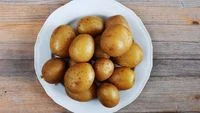
Root vegetables, particularly potatoes and sweet potatoes, undergo rapid starch-to-sugar conversion when subjected to refrigeration temperatures. The cold environment activates starch-degrading enzymes, primarily amylase, which break complex carbohydrates down into simple sugars like glucose and fructose. This biochemical shift not only imparts an unpleasantly sweet taste to dishes intended to be savory, but it also causes distinct health implications when cooked. High concentrations of free reducing sugars, when combined with amino acids at high cooking temperatures above 120 degrees Celsius, undergo the Maillard reaction, producing elevated levels of acrylamide—a chemical compound classified as a potential neurotoxin and carcinogen by international health agencies. Consequently, root vegetables require cool, dark, well-ventilated spaces, such as pantries or root cellars, maintaining temperatures between 7 and 10 degrees Celsius to maintain chemical stability.
Similarly, members of the Allium genus, including onions, shallots, and garlic, suffer immense structural damage when stored in high-humidity refrigeration environments. The ambient moisture triggers premature sprouting and fungal proliferation, turning firm bulbs into soft, mold-prone vegetation. The cell walls of these bulbs are engineered to withstand dry, circulating air. Without proper ventilation, moisture becomes trapped between the papery layers, rapidly breaking down the structural integrity of the bulb. The only exception to this rule applies to alliums that have already been peeled, sliced, or minced; once the protective outer layers are breached, exposing the flesh to oxygen, refrigeration in an airtight container becomes mandatory to prevent bacterial contamination and foodborne illness.
Cellular Disruption in Subtropical and Temperate Produce
The vulnerability of certain fresh produce items to cold temperatures extends deeply into cellular biology. Tomatoes, scientifically classified as climacteric fruits that continue to ripen after harvest, experience severe membrane disruption when chilled. Temperatures below 12 degrees Celsius deactivate the enzymes responsible for volatile flavor production, effectively halting the synthesis of compounds that give tomatoes their rich, aromatic profile. Simultaneously, the microscopic cell walls within the tomato pulp rupture, causing the interior structure to collapse. This cellular breakdown transforms a crisp, juicy tomato into a mealy, tasteless disappointment. Culinary experts and agricultural extension services uniformly advise storing whole, unripened tomatoes stem-side up at room temperature away from direct sunlight until fully mature.
A parallel phenomenon occurs with tropical fruits such as bananas and unripened avocados. Bananas, native to equatorial regions, possess enzyme systems that are highly sensitive to chill-induced stress. Refrigerating an unripe banana stops its natural ripening process entirely, while causing polyphenol oxidase enzymes to react with oxygen, turning the peel dark brown or black within hours. The interior flesh remains unpalatable, starchy, and hard. Unripe avocados react identically; cold temperatures suspend the enzymatic softening required to develop their rich, buttery texture. Maintaining these fruits at standard room temperatures ensures the uninterrupted completion of natural ripening phases before any eventual refrigeration is utilized solely to extend the life of already-ripened flesh.
Pantry Staples: Condiments, Grains, and Beverages
Beyond fresh produce, numerous shelf-stable pantry items undergo structural degradation when subjected to cold environments. Honey, an ancient natural preservative renowned for its exceptionally low water activity and high acidity, requires no refrigeration whatsoever. Storing honey in a cold refrigerator dramatically accelerates the rate of crystallization. As glucose separates from the aqueous solution and forms solid crystals, the honey transitions from a smooth, viscous liquid into a hard, granulated solid. While crystallized honey remains entirely safe for human consumption, its altered physical state makes it exceedingly difficult to dispense and dissolve. Storing honey in a tightly sealed glass container at room temperature preserves its liquid fluidity indefinitely.
Bread presents another compelling case of starch retrogradation. Storing a fresh loaf of bread in the refrigerator exposes it to a temperature range between 0 and 4 degrees Celsius, which is the optimal thermal window for the recrystallization of amylose and amylopectin molecules within the baked crumb. This process, scientifically known as staling, happens significantly faster at refrigerator temperatures than at room temperature. The moisture within the bread migrates outward, causing the crumb to dry out and harden rapidly. Food scientists recommend consuming fresh bread within days of purchase while keeping it at room temperature in a breathable breadbox, or alternatively utilizing deep-freezing methods to halt molecular staling if long-term storage is necessary.
Coffee beans and ground coffee powders represent a pinnacle of aromatic complexity, containing hundreds of volatile organic compounds that dictate fragrance and taste. Storing coffee inside a refrigerator exposes the porous beans to two major hazards: ambient moisture condensation and odor absorption. Because coffee acts as an exceptional natural deodorizer, it readily absorbs complex aromatic compounds from adjacent refrigerated items, such as onions, dairy, and leftovers. Furthermore, every time the container is removed from the cold refrigerator to room temperature, atmospheric moisture condenses on the cold surface of the coffee, introducing water molecules that degrade the delicate oils responsible for the beverage’s signature profile. Airtight, opaque containers kept in cool, dark pantry spaces remain the industry-standard recommendation for coffee preservation.
Broad Economic and Nutritional Implications
The mismanagement of household food storage carries profound implications extending far beyond individual kitchen inconvenience. Food waste statistics compiled by international environmental agencies indicate that domestic households contribute significantly to global food waste streams, frequently discarding fresh produce prematurely due to improper handling, texture deterioration, or spoilage induced by incorrect refrigeration. When consumers understand the specific post-harvest physiology of their groceries, household food waste metrics decline significantly, yielding tangible economic savings for families and reducing the broader carbon footprint associated with agricultural supply chains.
From a nutritional perspective, maintaining optimal storage parameters preserves heat-sensitive vitamins, complex carbohydrates, and antioxidant compounds that might otherwise degrade through accelerated enzymatic breakdown or structural cell collapse. Public health campaigns increasingly emphasize that food literacy must encompass not only dietary selection and preparation techniques, but also post-purchase environmental management. By aligning storage methods with the biological characteristics of each specific food item, consumers can maximize nutritional intake, enhance culinary outcomes, and foster a more sustainable, resource-conscious domestic environment.