Toyota Agya Club Indonesia Solidifies Community Bonds and Motorsport Passion at Inaugural Jambore Celebes in Makassar

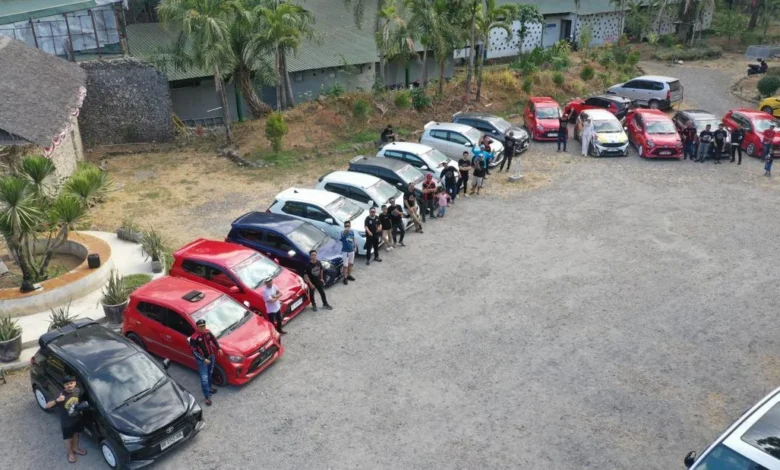
The Toyota Agya Club (TAC) Indonesia successfully convened its inaugural Jambore Celebes on September 5, 2026, in the coastal city of Makassar, South Sulawesi. The gathering served as a significant milestone for the organization, drawing approximately 200 members and showcasing 50 customized and standard units of the Toyota Agya. This assembly was not merely a social gathering for automotive enthusiasts but a strategic effort to integrate professional motorsport education with community-building, setting a new benchmark for automotive club events in the Eastern Indonesian region.
The Evolution of the Toyota Agya Club
Since its inception in 2014, the Toyota Agya Club has grown from a localized hobbyist group into one of the most structured entities under the Toyota Owners Club (TOC) umbrella. Over the past decade, the club has expanded its footprint significantly, now boasting 45 distinct chapters spread across the Indonesian archipelago with a total membership base exceeding 3,000 individuals.
The organization operates on a three-pillar philosophy: fostering brotherhood among Agya users, acting as a primary advocate for road safety, and disseminating the "Joy of GAZOO Racing" to the general public. By transitioning from simple meet-ups to complex, professionally managed events like the Jambore Celebes, TAC has demonstrated its capacity to manage large-scale logistics while maintaining the grassroots enthusiasm that defines its brand identity.
Chronology of the Jambore Celebes Event
The logistics of the Jambore Celebes were meticulously planned to provide both aesthetic appeal and practical utility for members. The event commenced with a structured City Touring segment that originated from the GR Zone at Kalla Toyota Urip. This procession allowed the club to showcase the vehicle’s urban agility as it navigated the heart of Makassar’s central business district, drawing attention from local residents and automotive observers alike.
Following the parade, participants arrived at the Bugis Water Park, which served as the primary venue for the day’s festivities. Upon arrival, the club facilitated a "Servis Bersama" (Collective Service) initiative in partnership with THS Rangga Kalla Toyota. This proactive approach to maintenance provided members with access to professional diagnostics and upkeep, reinforcing the club’s commitment to vehicle reliability and road safety.
The latter half of the day transitioned into a "Car Meet" format—a contemporary trend in the global automotive community that prioritizes visual customization and technical appreciation. This segment allowed members to exchange ideas regarding performance tuning, aesthetics, and the integration of Gazoo Racing (GR) DNA into their daily drivers.
Technical Education and the Influence of Gazoo Racing
A pivotal highlight of the Jambore Celebes was the inclusion of professional insight from Amato Rudolph, a prominent driver for the Toyota Gazoo Racing Indonesia (TGRI) team. Rudolph’s presence provided an essential bridge between amateur enthusiast culture and the rigorous world of professional circuit racing.
During his address, Rudolph focused on the principles of safety driving, a critical topic given the club’s self-imposed mandate to act as a pioneer of road safety. By detailing his own experiences behind the wheel of the Toyota Agya GR at the MFOS Mandalika International Circuit, Rudolph provided members with a deeper understanding of vehicle handling, braking dynamics, and cornering efficiency. This educational component was specifically designed to appeal to members interested in grassroots racing, offering them a roadmap to improve their driving skills within a controlled, safe environment.
Perspectives from Leadership
Steven Jacobus, the General Chairman of TAC, emphasized that the Jambore Celebes represents a shift in the club’s strategic vision. "In alignment with the GAZOO Racing philosophy of ‘Pushing the Limits for Better,’ we have successfully executed our first-ever Jambore in Makassar. By adopting the Car Meet concept, we are acknowledging the evolving nature of automotive culture," Jacobus stated.
He further elaborated on the social impact of the event, noting that the club serves as more than just a support group for vehicle owners. It acts as a conduit for creativity and sportsmanship. By inviting a professional like Rudolph, the leadership aimed to demonstrate that the Agya is not only a functional city car but a capable platform for those interested in exploring the competitive side of motoring. The integration of technical expertise from the GR brand into a community event is a reflection of Toyota’s broader goal to harmonize customer feedback with product development.
Supporting Data and Market Context
The success of the Jambore Celebes occurs against a backdrop of increasing interest in the Indonesian compact car segment. The Toyota Agya has maintained a strong market position due to its fuel efficiency, low maintenance costs, and high degree of customization potential. For many members of TAC, the vehicle represents an entry point into the world of automotive enthusiasm, providing a balance between daily utility and performance capability.
Data from recent automotive industry reports indicate that community-driven clubs like TAC contribute significantly to brand loyalty. By providing a platform for owners to share maintenance tips, modifications, and social connections, these clubs effectively reduce the "cost of ownership" through knowledge sharing. Furthermore, the partnership with authorized service providers during the event highlights the synergistic relationship between the manufacturer and the user base—a model that sustains the long-term viability of the product in the local market.
Broader Implications and Future Outlook
The Jambore Celebes serves as a blueprint for how automotive clubs can adapt to changing trends. As the industry shifts toward electrified and high-performance compact vehicles, clubs that prioritize education, safety, and community service are likely to remain relevant.
The inclusion of the "GR Zone" experience is particularly telling. Toyota has been aggressive in marketing the GAZOO Racing brand in Indonesia, aiming to transform the perception of its entry-level vehicles from purely utilitarian to sport-oriented. By embedding this narrative within the TAC community, Toyota is effectively creating a pipeline of brand ambassadors who are not only familiar with the technical specifications of their vehicles but are also emotionally invested in the performance heritage of the manufacturer.
Furthermore, the geographical choice of Makassar for this jambore is strategic. As Indonesia continues to develop infrastructure outside of the Java-Bali corridor, the strengthening of automotive communities in Sulawesi indicates a maturing market with increasing disposable income and a growing interest in vehicle personalization.
Analysis: The Role of Community in Safety Advocacy
One of the most vital aspects of the TAC’s mission is its role in promoting road safety. In a country where traffic density is high and accidents remain a significant concern, the influence of a 3,000-member organization cannot be understated. By hosting events that emphasize "safety driving" alongside professional racing tips, the club creates a culture of responsibility.
When a community leader, such as the General Chairman, explicitly links the "Joy of Driving" with the necessity of safe operation, it creates a peer-pressure dynamic that is far more effective than government-mandated campaigns. The Jambore Celebes effectively institutionalized this by making maintenance checks a prerequisite for participation, ensuring that vehicles entering the touring phase were in peak operating condition.
Conclusion
The Jambore Celebes in Makassar stands as a testament to the organizational strength of the Toyota Agya Club. By blending the logistics of a large-scale touring event with the substance of professional motorsport education, TAC has reinforced its position as a pillar of the Indonesian automotive community.
The event successfully showcased the versatility of the Toyota Agya, the strength of the national club network, and the efficacy of professional mentorship in improving driving standards. As TAC looks toward the future, the lessons learned in Makassar—namely the importance of regional engagement and the power of integrating professional racing philosophy—will likely serve as a cornerstone for subsequent gatherings across the nation. Through these efforts, the club continues to foster a culture where passion for the machine is matched by a commitment to safety, creativity, and the ongoing pursuit of excellence on the road.
Related posts: