Iran Affiliated Media Releases Retaliation List of Thirteen Global Figures Following Death of Ayatollah Ali Khamenei

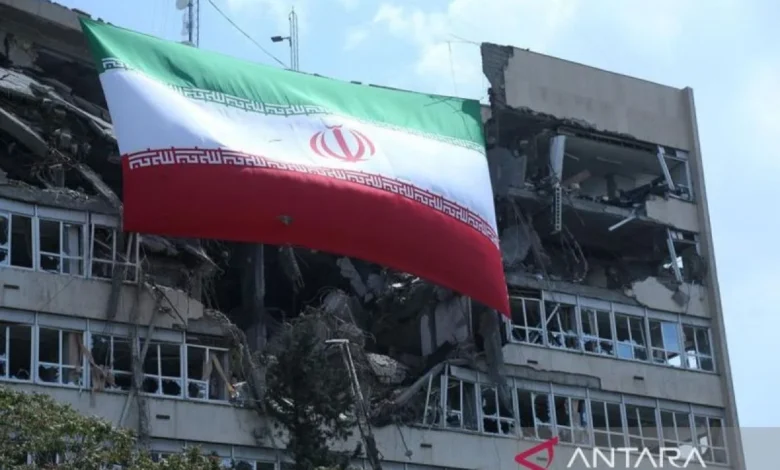
The geopolitical landscape of the Middle East has entered a period of profound uncertainty following the publication of a high-profile "retaliation list" by Hamshahri, a prominent media outlet berafiliated with the Iranian government. The publication, which features thirteen high-ranking global political and military figures, identifies these individuals as primary targets for revenge in the wake of the death of Iran’s long-standing Supreme Leader, Ayatollah Ali Khamenei. This development comes at a time of unprecedented friction between Tehran, Washington, and Tel Aviv, signaling a potential shift in Iran’s external strategy under its new leadership.
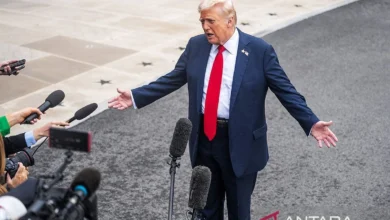
The list was disseminated through a graphic infographic that utilized stark, provocative imagery. The thirteen figures, which include heads of state, cabinet members, and military commanders from the United States, Israel, and several European nations, were depicted wearing orange jumpsuits—a visual trope often associated with prisoners or detainees in high-stakes political conflicts. Most notably, the images of U.S. President-elect Donald Trump and Israeli Prime Minister Benjamin Netanyahu were marked with crosshair overlays on their heads, accompanied by text emphasizing that "retribution is coming."
While the Iranian government has not officially ratified this list as a formal state policy document, the timing and the platform of its release are significant. Hamshahri is closely linked to the Tehran municipality and is widely regarded as a mouthpiece for the more conservative elements of the Iranian establishment. The publication followed the inaugural address of Ayatollah Mojtaba Khamenei, the son of the late Supreme Leader and his successor, who declared that avenging his father’s death is a "sacred demand" of the Iranian nation.
The Thirteen Figures Identified for Retaliation
The list provided by Hamshahri spans three continents and includes the following individuals:
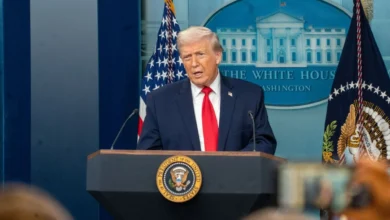
- Donald Trump: The President-elect of the United States. Tehran holds Trump responsible for the "Maximum Pressure" campaign and the 2020 assassination of Qasem Soleimani, and now views him as a central figure in the recent operations against Ali Khamenei.
- Benjamin Netanyahu: The Prime Minister of Israel. Netanyahu has long been Iran’s primary regional antagonist, overseeing numerous operations against Iranian interests and proxy groups.
- Israel Katz: The Minister of Defense of Israel. Katz has been a vocal proponent of direct military action against Iranian nuclear and military infrastructure.
- Pete Hegseth: The designated Secretary of Defense for the United States. His inclusion highlights Iran’s focus on the incoming U.S. administration’s defense posture.
- Marco Rubio: The designated Secretary of State for the United States. Rubio is known for his hawkish stance on Iran and his support for designating the IRGC as a terrorist organization.
- Emmanuel Macron: The President of France. His inclusion marks a significant escalation in rhetoric against European leaders who have supported sanctions and condemned Iran’s regional activities.
- Keir Starmer: The Prime Minister of the United Kingdom. London’s alignment with Washington on maritime security and sanctions has placed Starmer in the crosshairs of Tehran’s media apparatus.
- Friedrich Merz: The Chancellor candidate and prominent political leader in Germany. Merz has advocated for a tougher European stance against Iran’s ballistic missile program.
- Giorgia Meloni: The Prime Minister of Italy. Meloni’s government has been active in Mediterranean security and has maintained a firm pro-Israel stance during recent conflicts.
- Mike Huckabee: The designated U.S. Ambassador to Israel. His appointment was viewed in Tehran as a signal of unwavering U.S. support for Israeli expansionism and security operations.
- Brad Cooper: Vice Admiral and Deputy Commander of U.S. Central Command (CENTCOM). He has been instrumental in coordinating U.S. naval responses to Iranian-backed activities in the Red Sea and the Persian Gulf.
- Gideon Sa’ar: The Minister of Foreign Affairs of Israel. Sa’ar has been a key architect of Israel’s diplomatic efforts to isolate Iran on the global stage.
The repetition of certain names in domestic Iranian reports suggests a focused animosity toward the political structures of Germany and the United States, emphasizing a broader "Western conspiracy" narrative.
Context of the Escalation: The Death of Ali Khamenei
The catalyst for this provocative publication was the death of Ayatollah Ali Khamenei, which Iranian sources attribute to a sophisticated, joint military and intelligence operation conducted by the United States and Israel. While details of the event remain shrouded in the fog of regional conflict, the impact on Iran’s domestic and foreign policy has been immediate.
Ali Khamenei had served as the Supreme Leader since 1989, acting as the ultimate arbiter of Iranian policy. His death marks the end of an era and the beginning of a precarious transition. The ascension of Mojtaba Khamenei has been met with both internal consolidation and external defiance. In his first public address, Mojtaba Khamenei emphasized that the "blood of the martyr" would not go unavenged, framing the struggle as a generational battle against "global arrogance."
Historical Chronology of Tensions
To understand the gravity of the current situation, it is essential to examine the timeline of events that led to this impasse:
- January 2020: The U.S. assassination of General Qasem Soleimani in Baghdad. This event set a precedent for high-level "blood feuds" between Tehran and Washington.
- 2023–2024: Heightened regional instability following the October 7 attacks on Israel. Iran’s "Axis of Resistance"—including Hezbollah, Hamas, and the Houthis—engaged in prolonged conflict with Israeli forces, with the U.S. providing significant military support to Tel Aviv.
- Late 2024: A series of precision strikes targeting Iranian commanders in Syria and Lebanon, widely attributed to Israel, decimated the senior leadership of the IRGC’s Quds Force.
- The Incident: The reported joint strike that led to the death of Ali Khamenei. This event shattered the long-standing "shadow war" norms, moving the conflict into a direct and overt confrontation between the principals.
- Post-Khamenei Era: The swift appointment of Mojtaba Khamenei and the subsequent release of the "retaliation list" by Hamshahri.
Strategic Analysis: Propaganda vs. Policy
Military and intelligence analysts suggest that the publication of this list serves multiple purposes. First, it acts as a tool for domestic mobilization. By naming specific Western and Israeli leaders, the Iranian establishment seeks to channel public grief and anger into a unified nationalist sentiment, bolstering the legitimacy of Mojtaba Khamenei’s new administration.
Second, it functions as a form of psychological warfare. By placing world leaders in "crosshairs" and orange jumpsuits, Iran aims to project a sense of reach and capability, suggesting that no individual is beyond the hit of its intelligence services or proxy networks.
However, many experts caution against interpreting this list as an immediate "hit list" for operational strikes. "This is classic gray-zone signaling," says one senior regional analyst. "By using a media affiliate rather than an official government decree, Tehran maintains a degree of plausible deniability while still delivering a chilling message to the international community."
International Reactions and Security Implications
While official responses from the named leaders have been measured, security protocols for the individuals on the list have reportedly been heightened. In Washington, the Secret Service and Department of State are said to be monitoring the situation closely, particularly given the historical attempts by Iranian-linked actors to target U.S. officials on American soil.
In Israel, the government has dismissed the list as "desperate propaganda" from a regime in transition. Nevertheless, Israeli intelligence agencies have long warned of Iran’s desire to conduct high-profile assassinations abroad to restore its deterrent posture.
European capitals have expressed concern over the inclusion of their leaders. The inclusion of Macron, Starmer, and Meloni suggests that Iran no longer views Europe as a potential mediator in its nuclear or regional disputes, but rather as an integral part of the hostile "Western bloc."
Broader Regional Impact: The Maritime Dimension
The tension is not confined to rhetoric and political targeting. The original reporting by ANTARA highlighted secondary effects of this escalation, such as India’s decision to prohibit its citizens from working on vessels transiting the Strait of Hormuz. This narrow waterway is a vital artery for global energy supplies, and any disruption there has immediate effects on global oil prices and economic stability.
Iranian parliamentary officials have recently asserted that the security of the region depends entirely on the "arrangements" in the Strait of Hormuz, a veiled threat that Tehran could use its naval leverage to retaliate against economic interests if military targets remain out of reach.
Conclusion and Outlook
The publication of the "retaliation list" by Hamshahri marks a dangerous new chapter in the confrontation between Iran and the West. As Mojtaba Khamenei settles into his role as Supreme Leader, the world is watching to see if the rhetoric of revenge will translate into kinetic action.
The inclusion of thirteen specific global figures creates a high-stakes environment where any incident involving these individuals could trigger a massive regional or global escalation. For now, the "list of thirteen" remains a potent symbol of Iran’s defiance and a stark reminder that the death of Ali Khamenei has not diminished the regime’s resolve to challenge its adversaries on the world stage. The international community faces the challenge of navigating this transition without allowing the rhetoric of state-affiliated media to spark a conflagration that could destabilize the entire Middle East.
Related posts: