Understanding and Addressing the Common "Stuttering" Issue in Popular Vespa Matic Scooters

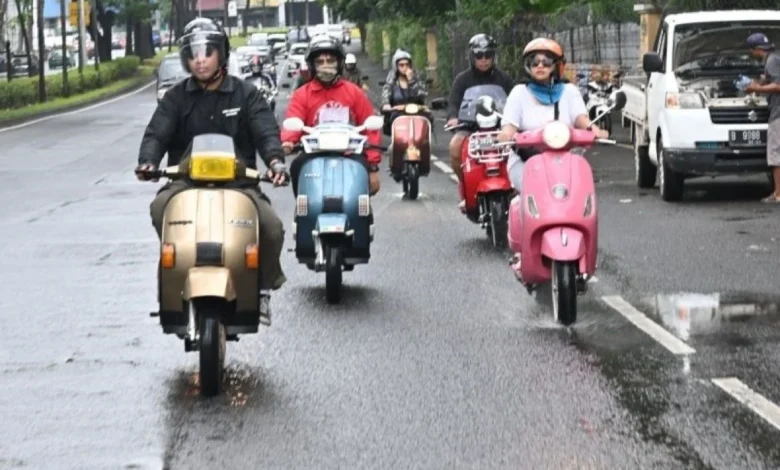
The enduring appeal of Vespa matic scooters in Indonesia, particularly among the younger demographic, is undeniable. These iconic two-wheelers seamlessly blend timeless classic design with contemporary modern technology, offering a comfortable and stylish solution for daily urban mobility. However, like any sophisticated machine, Vespa matics require diligent and regular maintenance to ensure their engines perform optimally. Essential servicing, encompassing oil changes for both the engine and transmission (gardan), thorough cleaning of the fuel injection system, and meticulous care of the Continuously Variable Transmission (CVT) components, are paramount to preserving the vehicle’s condition and longevity.
Despite owners adhering to recommended maintenance schedules, a recurring complaint among Vespa matic riders is the disconcerting sensation of the engine "stuttering" or hesitating when the throttle is engaged. This phenomenon significantly detracts from the riding experience, compromising acceleration and potentially disrupting daily commutes. Investigations into this common issue point to a range of potential culprits, broadly categorized as problems within the ignition system, fuel delivery, air intake, or the CVT transmission itself.
Common Culprits Behind Vespa Matic Stuttering
Several factors commonly contribute to the frustrating "stuttering" or "brebet" sensation experienced by Vespa matic riders. These issues, often overlooked or underestimated, can significantly impact engine performance and rider satisfaction. Drawing insights from automotive media and expert advice, we delve into the most frequent causes.
Ignition System Faults: The Spark of the Problem
The ignition system is the heart of combustion, and any malfunction here can lead to an incomplete or weak spark, resulting in poor engine performance.
1. Damaged Spark Plug Cap (Cangklong Busi)
A surprisingly frequent yet often overlooked cause of engine stuttering is a damaged spark plug cap, locally known as "cangklong busi." This component acts as the crucial conduit for electrical current, transferring it from the ignition coil to the spark plug. In many Vespa matic models, these caps are constructed from rubber, which can degrade over time, becoming hardened or brittle. Beyond the natural aging process, improper installation of the spark plug cap can also lead to the internal spring contact shifting or becoming dislodged.
The consequence of such damage is an unstable flow of electricity to the spark plug. This instability results in a weakened spark within the combustion chamber, leading to incomplete combustion of the air-fuel mixture. This inefficiency directly translates to a noticeable hesitation or stuttering when the rider attempts to accelerate, diminishing the scooter’s responsiveness.
2. Fouled or Worn Spark Plug
The spark plug itself is a primary component of the ignition system. Its fundamental role is to generate a spark that ignites the air-fuel mixture within the engine’s combustion chamber. Over time, the tip of the spark plug can accumulate carbon deposits, a byproduct of the combustion process. Additionally, the electrodes of the spark plug can wear down, causing the gap between them to deviate from the manufacturer’s specified tolerance.
When a spark plug is fouled or worn, the spark it produces becomes inconsistent. This leads to incomplete combustion, resulting in a loss of engine power and the characteristic stuttering sensation during acceleration. Regular inspection and replacement of spark plugs, typically recommended every 5,000 to 10,000 kilometers depending on the model and riding conditions, are vital preventative measures.
3. Faulty Ignition Coil or Spark Plug Wire
Beyond the spark plug and its cap, issues with the ignition coil or the spark plug wire (if applicable to the specific model) can also trigger engine stuttering. The ignition coil’s function is to step up the vehicle’s low voltage to the high voltage required to create a strong spark at the spark plug. If the ignition coil begins to weaken with age or if the spark plug wire experiences damage due to wear and tear, the electrical current delivered to the spark plug will be suboptimal.
A weaker spark compromises the efficiency of the combustion process. This reduction in efficiency leads to a noticeable decline in engine performance and manifests as the stuttering or hesitation experienced when the scooter is ridden. The lifespan of an ignition coil can vary, but it’s a component that should be inspected if other ignition-related issues are suspected.
Fuel System Complexities: The Flow of Power
A consistent and clean supply of fuel is critical for smooth engine operation. Disruptions in this delivery system can lead to a variety of performance issues.
4. Clogged Fuel Filter or Weak Fuel Pump
Malfunctions within the fuel delivery system are another common contributor to engine stuttering in Vespa matic scooters. A clogged fuel filter can impede the flow of gasoline to the fuel injectors, restricting the amount of fuel reaching the combustion chamber. Similarly, a weakening or obstructed fuel pump can fail to deliver fuel at the required pressure.
When the fuel pressure is insufficient to meet the engine’s demands, the fuel supply becomes unstable. This erratic fuel delivery disrupts the combustion process, leading to a noticeable stuttering, particularly during acceleration when the engine requires a richer fuel mixture. Regular replacement of the fuel filter, typically as part of scheduled maintenance, is crucial.
5. Dirty Injectors or Throttle Body
Vespa matic scooters utilize sophisticated electronic fuel injection systems, which rely on clean injectors to ensure optimal fuel atomization. Over time, carbon deposits and other residues can accumulate within the injectors and the throttle body. These deposits can disrupt the precise spray pattern of the fuel, leading to an imbalanced air-fuel mixture within the combustion chamber.
An imperfect air-fuel mixture results in incomplete combustion, diminishing engine power and causing the stuttering sensation. The throttle body, which regulates the amount of air entering the engine, can also become dirty, further exacerbating these issues. Periodic cleaning of the fuel injection system, including the injectors and throttle body, is recommended by manufacturers to maintain optimal performance.
6. Contaminated Fuel
The quality of the fuel used plays a significant role in engine performance. Water contamination in the fuel tank is a detrimental issue, as water cannot combust like gasoline. When water mixes with fuel, it disrupts the combustion process, leading to a loss of power, engine hesitation, and in severe cases, difficulty starting the engine.
To mitigate this risk, riders are advised to refuel at reputable and trusted petrol stations and ensure that the fuel tank cap is always securely closed. This simple practice helps prevent moisture and contaminants from entering the fuel system.
Air Intake and Transmission Interferences: The Breath and Movement of the Scooter
Beyond ignition and fuel, the engine’s ability to "breathe" and the smooth operation of its transmission system are equally important.
7. Clogged Air Filter
The air filter’s role is to prevent dust and debris from entering the engine’s combustion chamber. If the air filter becomes clogged with dirt and contaminants, the amount of air available for combustion is reduced. This leads to an imbalance in the air-fuel mixture, with too much fuel relative to the available air.
An inefficient air-fuel ratio results in incomplete combustion, negatively impacting engine performance and contributing to the stuttering symptom. Regular inspection and replacement of the air filter, typically every 5,000 to 10,000 kilometers or as per the owner’s manual, are essential for maintaining optimal airflow.
8. Worn or Deformed CVT Rollers
It’s important to recognize that not all stuttering issues originate directly from the engine. In some instances, the problem lies within the Continuously Variable Transmission (CVT) system. One of the most common culprits within the CVT is worn or deformed rollers.
These rollers are housed within the drive pulley and are responsible for adjusting the transmission ratio as the engine speed changes. When the rollers become worn down or lose their perfectly spherical shape ("peyang"), they can disrupt the smooth movement of the pulley. This uneven movement leads to jerky or inconsistent engagement of the transmission, resulting in vibrations, hesitant acceleration, and a sensation akin to engine stuttering when the throttle is applied. Regular inspection and replacement of CVT components, including rollers, are crucial for maintaining a smooth and responsive ride.
Preventive Measures for Optimal Vespa Matic Performance
To ensure their Vespa matic scooters continue to operate at peak performance and to proactively avoid the frustrating "stuttering" issue, owners are strongly encouraged to adopt a disciplined approach to maintenance and care.
Scheduled Servicing: The Cornerstone of Reliability
Adherence to the manufacturer’s recommended service schedule is the most critical step in preventing performance issues. This includes regular check-ups of all vital components:
- Ignition System: Regular inspection of spark plugs for fouling or wear, checking the condition of the spark plug cap for brittleness or damage, and verifying the integrity of the ignition coil.
- Fuel System: Routine cleaning of fuel injectors and the throttle body to remove carbon deposits. Periodic replacement of the fuel filter is essential to ensure unobstructed fuel flow.
- Air Intake: Consistent inspection and replacement of the air filter to guarantee optimal airflow to the engine.
- CVT Components: Regular examination of CVT rollers, drive belts, and pulleys for signs of wear or damage.
Fuel Quality and Storage Practices
The choice of fuel and how it’s managed can significantly impact engine health:
- Premium Fuel: Utilizing fuel that meets or exceeds the manufacturer’s recommended octane rating is advisable. Higher octane fuels burn more efficiently and are less prone to pre-ignition.
- Trusted Refueling Stations: Always refuel at reputable and well-maintained petrol stations to minimize the risk of contaminated fuel.
- Fuel Level Management: Avoid letting the fuel tank run extremely low for extended periods. This can allow sediment at the bottom of the tank to be drawn into the fuel system.
Regular Cleaning and Diagnostics
Beyond scheduled services, proactive cleaning and early detection of issues are beneficial:
- Injection System Cleaning: Periodic professional cleaning of the electronic fuel injection system helps maintain optimal fuel atomization and combustion.
- Early Detection: If any unusual noises, vibrations, or performance degradations are noticed, it is imperative to have the scooter inspected by a qualified mechanic without delay. Early detection of minor issues can prevent them from escalating into more significant and costly repairs.
Addressing Persistent Stuttering: When to Seek Professional Help
While adherence to a regular maintenance schedule and mindful riding practices can prevent most occurrences of engine stuttering, there may be instances where the issue persists even after routine servicing. In such scenarios, it is crucial to promptly seek assistance from a professional.
Professional Diagnostics and Repair
If your Vespa matic continues to exhibit stuttering symptoms despite your best efforts at maintenance, it is highly recommended to visit an authorized Vespa dealership or a reputable, specialized workshop. These facilities are equipped with advanced diagnostic tools and possess the expertise to accurately pinpoint the root cause of the problem.
Mechanics at these centers can perform comprehensive checks of all engine and transmission systems, including:
- Computerized Engine Diagnostics: Modern scooters are equipped with onboard diagnostic (OBD) systems that can log error codes related to engine performance. Professional technicians can read these codes to identify specific system malfunctions.
- Compression Testing: This test assesses the engine’s ability to hold compression, which is crucial for efficient combustion.
- Fuel Pressure Testing: Verifying that the fuel pump is delivering fuel at the correct pressure is essential.
- Electrical System Analysis: Thorough inspection of the entire electrical system, including the charging system and ignition components, can identify subtle electrical faults.
The Implication of Timely Intervention
Addressing persistent engine stuttering promptly offers several significant benefits:
- Preventing Further Damage: Ignoring engine performance issues can lead to increased wear and tear on other engine components, potentially resulting in more extensive and expensive repairs down the line.
- Maintaining Resale Value: A well-maintained scooter that performs reliably will command a higher resale value.
- Ensuring Rider Safety: A sputtering engine can be unpredictable, potentially leading to stalls or a loss of power in critical situations, compromising rider safety.
- Preserving Riding Enjoyment: The primary appeal of a Vespa matic lies in its stylish design and smooth riding experience. Addressing performance issues ensures this enjoyment is not diminished.
In conclusion, while the Vespa matic offers a compelling blend of style and functionality, understanding and addressing common performance issues like engine stuttering is vital for all owners. By embracing regular maintenance, using quality fuel, and seeking professional help when needed, riders can ensure their beloved scooters remain a reliable and enjoyable mode of transportation for years to come. The iconic status of the Vespa brand in Indonesia is a testament to its enduring appeal, and proactive care is key to preserving that legacy.