Exploring the Mystique and Strategic Significance of Greenland the Worlds Largest Island Between Ice and Autonomy

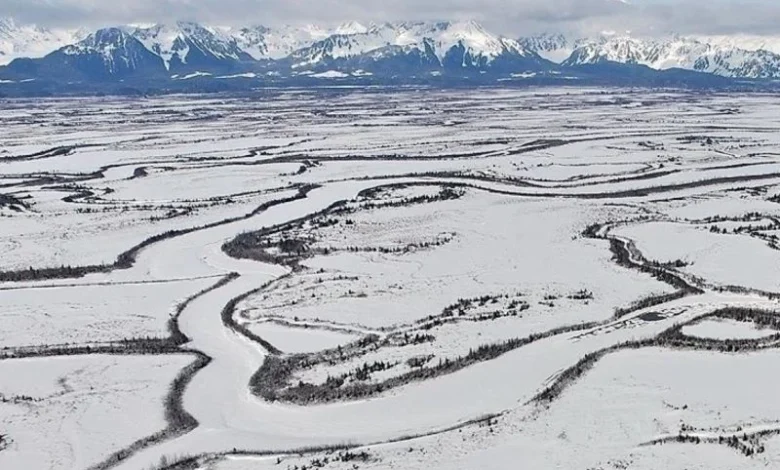
Greenland stands as a geographical paradox, a massive landmass whose name suggests lush verdancy while its reality is defined by a landscape where approximately 80 percent of the territory is encased in a permanent ice sheet. As the world’s largest island, covering an expansive 2,166,086 square kilometers, Greenland occupies a critical position between the Arctic and Atlantic Oceans, marking the northernmost reaches of habitable land on Earth. Despite its physical location within the North American continent, Greenland is politically and culturally tethered to Europe, functioning as an autonomous territory within the Kingdom of Denmark. This unique status, combined with its indigenous heritage and burgeoning geopolitical importance, makes Greenland a subject of intense global interest.
The indigenous inhabitants, the Inuit, refer to their homeland as Kalaallit Nunaat or Inuit Nunaat, which translates to "Land of the People" or "Land of the Greenlanders." This nomenclature reflects a deep-seated connection to a rugged environment that has shaped a resilient culture over millennia. From its controversial naming by Norse explorers to its role in modern climate science and international diplomacy, Greenland represents a bridge between ancient traditions and the pressing challenges of the 21st century.
The Historical Narrative and the Paradox of a Name
The name "Greenland" is often cited as one of history’s most successful marketing strategies. In the 10th century, Erik the Red, an Icelandic explorer who had been exiled for manslaughter, sought to establish a colony on the island. To entice settlers from Iceland and Scandinavia, he bestowed the name "Greenland" upon the icy expanse. While much of the island was as frozen then as it is now, scientific evidence suggests that Erik’s choice was not entirely deceptive. Research into ancient DNA and soil samples frozen deep beneath the ice indicates that 2.5 million years ago, the island was indeed home to a lush boreal forest. Even today, the southern fjords experience a brief but vibrant greening during the summer months, offering a glimpse of the island’s prehistoric past.
The human history of Greenland is characterized by successive waves of migration. The first settlers, known as the Independence I and Saqqaq cultures, arrived around 2500 BCE. These early pioneers eventually vanished, followed by the Dorset culture. The Norsemen, led by Erik the Red, established settlements in the south around 982 CE, which persisted for several centuries before mysteriously disappearing in the 15th century. Theories regarding their exit range from climate cooling (the Little Ice Age) to economic shifts in the ivory trade.
The modern population is largely descended from the Thule people, ancestors of the current Inuit, who migrated from Alaska via Northern Canada in the 13th century. Their ability to adapt to the harsh Arctic climate through innovations like the kayak and specialized hunting techniques allowed them to thrive where others had failed. Danish colonization began in earnest in 1721, led by missionary Hans Egede, marking the start of a political relationship that continues to evolve.
Political Evolution and the Path to Autonomy
Greenland’s relationship with Denmark has undergone a significant transformation over the last century. Originally a colony, it became a province of Denmark in 1953. However, a growing desire for self-determination led to the establishment of Home Rule in 1979. This was further expanded following a landmark referendum in 2008, resulting in the Act on Greenland Self-Government in 2009.
Under this current framework, Greenlandic (Kalaallisut) is the sole official language, and the Greenlandic government, known as the Naalakkersuisut, holds jurisdiction over most domestic affairs, including education, health, fisheries, and the environment. Denmark retains control over foreign policy, defense, and monetary policy, while providing an annual block grant that supports a significant portion of Greenland’s economy. This gradual shift toward independence remains a central theme in Greenlandic politics, with debates often centering on how to achieve economic self-sufficiency to fully break away from Danish subsidies.
Nuuk: A Modern Arctic Metropolis
Nuuk, the capital of Greenland, serves as the heartbeat of the nation’s political and cultural life. Home to approximately 19,000 residents—roughly one-third of the island’s total population—Nuuk is a city of contrasts. It sits at the mouth of one of the largest fjord systems in the world, where modern high-rise apartments and trendy cafes stand against a backdrop of towering, snow-capped peaks.
The city is a hub for Greenlandic identity, housing the University of Greenland, the National Museum, and the Katuaq Cultural Center. The National Museum provides a comprehensive look at the island’s history, including the famous Qilakitsoq mummies—remarkably preserved 15th-century remains that offer insights into ancestral Inuit life. Despite its isolation, Nuuk is increasingly connected to the global economy, with a growing tourism sector and a sophisticated culinary scene that fuses traditional ingredients like musk ox and halibut with modern international techniques.
Cultural Identity and the Power of Language
Cultural preservation is a cornerstone of life in Greenland. Approximately 88 percent of the population is of Inuit descent, and there is a strong emphasis on maintaining traditional values while embracing modernity. The term "Eskimo" is widely considered derogatory in Greenland; the people identify as Inuit or Kalaallit.
The Greenlandic language, Kalaallisut, is an Eskimo-Aleut language characterized by its complex structure and long, descriptive words. While Danish remains a secondary official language and English is increasingly taught in schools to facilitate international trade and tourism, Kalaallisut is the primary mode of communication. Interestingly, the global vocabulary has been enriched by Greenlandic terms; "kayak" (derived from qajaq) and "igloo" (illu) are direct contributions from Inuit culture to the world.
Logistics in a Land Without Roads
One of the most striking features of Greenland is its lack of interconnected road networks. The rugged terrain, dominated by deep fjords and the massive inland ice sheet, makes the construction of highways between towns economically and physically unfeasible. Consequently, there are no roads connecting the various settlements.
To move from one town to another, residents and visitors must rely on air or sea travel. Air Greenland, the national carrier, operates a fleet of STOL (Short Take-Off and Landing) aircraft and helicopters that serve as the primary lifelines for remote communities. During the winter months, when the sea freezes in the northern regions, traditional dog sleds and modern snowmobiles become essential for transportation and hunting. This logistical reality underscores the isolation of Greenlandic life but also preserves the unique character of each coastal community.
Natural Phenomena: The Midnight Sun and Aurora Borealis
Greenland’s position within the Arctic Circle makes it a premier destination for witnessing spectacular celestial events. From late May to late July, the "Midnight Sun" phenomenon occurs, where the sun remains above the horizon for 24 hours a day. The longest day of the year, June 21, is celebrated as Greenland’s National Day, marked by community feasts, traditional music, and outdoor activities under a sun that never sets.
Conversely, the long, dark winters provide the perfect canvas for the Aurora Borealis, or Northern Lights. From September to April, the sky often glows with shimmering curtains of green, purple, and red. Unlike many other northern destinations, the lack of light pollution in Greenland means that the Aurora can often be seen clearly even from the center of the capital, Nuuk.
Global Geopolitics and the Strategic "Great Game"
In recent years, Greenland has moved from the periphery to the center of global geopolitical strategy. The island’s location is vital for Arctic security, particularly for the United States and its NATO allies. The Pituffik Space Base (formerly Thule Air Base), located in northern Greenland, is a critical component of the U.S. ballistic missile early warning system.
The strategic value of Greenland was highlighted in 2019 when the U.S. administration under Donald Trump expressed interest in purchasing the island. While the proposal was firmly rejected by both the Greenlandic and Danish governments—with Greenland’s Ministry of Foreign Affairs stating, "We are open for business, but we are not for sale"—the incident underscored the island’s growing importance.
China has also shown increased interest in Greenland, seeking to invest in infrastructure and mining projects. Greenland is believed to hold some of the world’s largest untapped deposits of rare earth minerals, which are essential for green technology and electronics. The competition for influence in the Arctic, driven by the opening of new shipping lanes as polar ice melts, has placed Greenland in a delicate position, balancing the need for foreign investment with the desire to maintain sovereignty.
The Frontline of Climate Change
Greenland is often described as "ground zero" for climate change. The Greenland Ice Sheet, which is up to three kilometers thick in some places, is melting at an accelerating rate. Scientists monitor this melt closely, as the ice sheet contains enough water to raise global sea levels by approximately seven meters if it were to disappear entirely.
While the environmental implications are dire for the planet, the impact on Greenland is complex. Melting ice is uncovering new mineral deposits and potentially making offshore oil and gas more accessible. Furthermore, warming waters are shifting fish migrations, affecting the fishing industry—Greenland’s primary export. The local population faces the challenge of adapting their traditional hunting and fishing lifestyles to a rapidly changing ecosystem, even as they navigate the economic opportunities that a warmer Arctic might bring.
Environmental Stewardship: The World’s Largest National Park
Despite the pressures of modernization and climate change, Greenland remains a bastion of wilderness. The Northeast Greenland National Park is the largest national park in the world, covering 972,000 square kilometers—an area larger than most countries. It is an uninhabited wilderness, save for a few weather stations and the elite Sirius Dog Sled Patrol, a Danish naval unit that patrols the vast coastline.
The park is a sanctuary for Arctic wildlife, including polar bears, musk oxen, walruses, and various species of seals and whales. It represents Greenland’s commitment to preserving its natural heritage even as it looks toward a future of increased industrial and strategic activity.
Conclusion: A Nation in Transition
Greenland is a land of profound beauty and strategic complexity. As it navigates the path toward potential independence, it must balance its traditional Inuit identity with the demands of a globalized world. The island’s role in climate science, its wealth of natural resources, and its pivotal location in the Arctic ensure that Greenland will remain a focal point of international affairs for decades to come. For the people of Kalaallit Nunaat, the challenge lies in ensuring that the "Land of the People" remains a home where tradition and progress can coexist amidst the ice and the changing tides of history.
Related posts: