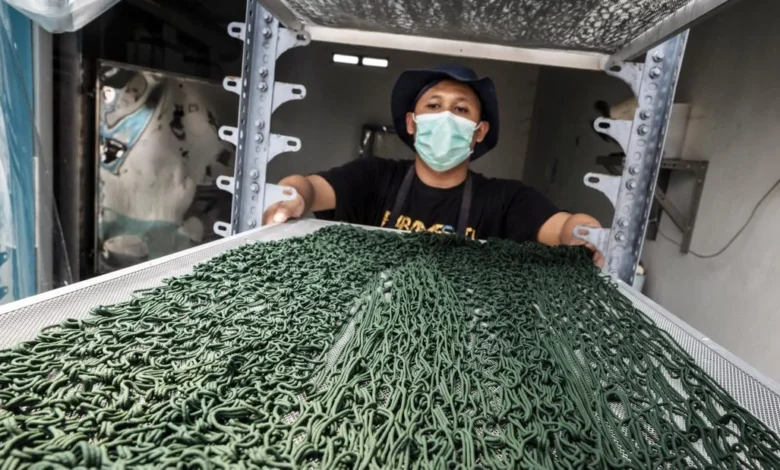
Semarang, Central Java – July 17, 2026 – The city of Semarang is emerging as a significant hub for advanced biotechnology, particularly in the cultivation of Spirulina, a microalga recognized globally for its exceptional nutritional profile and diverse industrial applications. The Albitec facility in Gunungpati stands at the forefront of this innovation, meticulously developing freshwater Spirulina as a high-value commodity that supplies critical raw materials to the burgeoning health, functional food, and cosmetic sectors. This strategic focus underscores Indonesia’s commitment to harnessing sustainable biotechnologies for economic growth and industrial self-sufficiency.
The Rise of Spirulina: A Superfood’s Journey to Industrial prominence
Spirulina (Arthrospira platensis) is a blue-green microalga that has garnered global attention as a "superfood" due to its remarkably rich nutritional content. It is a complete protein source, often boasting a protein content exceeding 60% by dry weight, making it superior to many traditional protein sources like beef or soy. Beyond protein, Spirulina is packed with essential vitamins (B complex, E, K), minerals (iron, magnesium, manganese, potassium, zinc), antioxidants (phycocyanin, beta-carotene), and essential fatty acids (gamma-linolenic acid, GLA). These attributes make it an ideal ingredient for a wide array of products aimed at promoting human health, enhancing animal nutrition, and even driving advancements in eco-friendly cosmetics.
The cultivation of Spirulina at facilities like Albitec in Semarang represents a pivotal step in translating its biological potential into tangible economic value. Historically, Spirulina has been harvested from natural alkaline lakes, but modern cultivation techniques, particularly those focusing on controlled environments, allow for consistent quality, purity, and scalable production. The global demand for Spirulina has been steadily climbing, driven by a growing consumer awareness of health and wellness, a rising interest in plant-based diets, and the increasing adoption of natural ingredients by food and cosmetic manufacturers. Market research indicates that the global Spirulina market is projected to reach several billion dollars in the coming years, with significant growth opportunities in the Asia-Pacific region, positioning Indonesia and its innovative producers like Albitec favorably.
Albitec’s Innovative Approach to Sustainable Cultivation
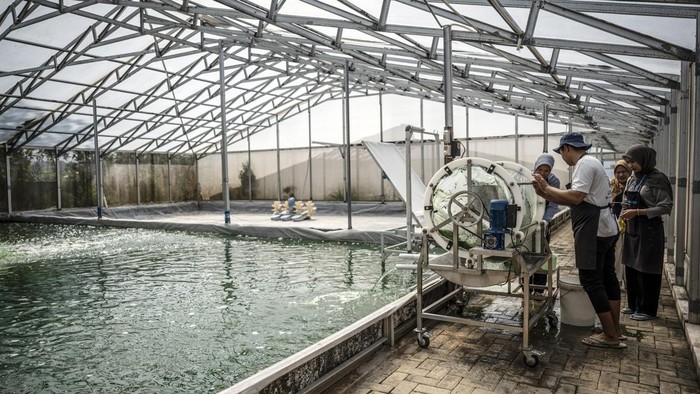
Located in Gunungpati, Semarang, the Albitec facility has distinguished itself by adopting a sustainable and environmentally friendly approach to freshwater Spirulina cultivation. Unlike some traditional methods that might rely on open ponds susceptible to contamination and inconsistent yields, Albitec utilizes advanced, controlled systems designed to optimize growth conditions while minimizing ecological footprint. This commitment to sustainability is not merely a marketing claim but a fundamental aspect of their operational philosophy, addressing concerns about resource consumption and waste generation often associated with industrial agriculture.
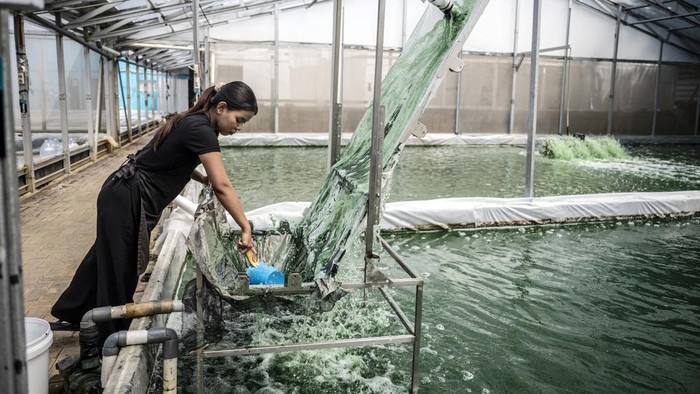
The cultivation process at Albitec is a testament to modern biotechnological prowess. Freshwater Spirulina is grown in large-capacity ponds, each holding approximately 21,000 liters. The system is engineered to provide precise control over critical parameters such as temperature, pH levels, nutrient availability, and light intensity. This meticulous management ensures optimal photosynthetic efficiency and biomass accumulation. The specific use of freshwater, as opposed to the more common saline environments for other algae strains, opens up possibilities for wider application and potentially reduces the complexity of downstream processing for certain products.
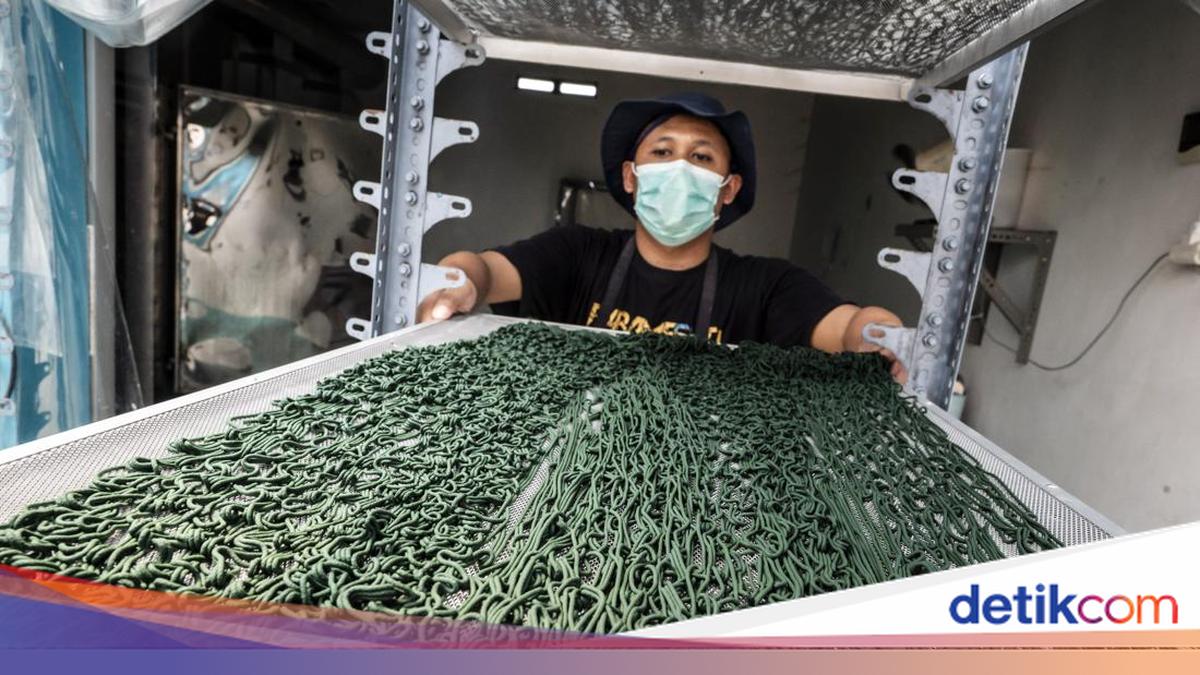
One of the key features of Albitec’s operation is its rapid cultivation cycle. Within a timeframe of just 7 to 14 days, each pond is capable of yielding an impressive 20 to 30 kilograms of wet Spirulina biomass. This rapid turnaround allows for high-volume production and efficient resource utilization, enabling the facility to meet demanding market schedules. Following harvest, the wet biomass undergoes a series of processing steps, typically involving washing, dewatering, and drying (often spray-drying or freeze-drying) to produce a high-quality powder or flake form. This dried biomass is the "value-added product" that commands a premium price in the market, with Albitec’s processed Spirulina fetching approximately Rp100,000 per 100 grams. This translates to a staggering Rp1,000,000 per kilogram, reflecting the high purity, quality, and specialized processing involved.
The "environmentally friendly technology" likely encompasses several aspects:
- Closed-loop nutrient recycling: Minimizing the discharge of nutrient-rich water.
- Efficient water usage: Potentially using rainwater harvesting or recirculated water systems.
- Reduced chemical input: Relying on precise nutrient formulations rather than excessive chemicals.
- Minimized land footprint: Compared to traditional agriculture for equivalent protein yield.
- Low carbon footprint: Algae naturally sequester carbon dioxide, contributing to a greener production cycle.
Economic Impact and Market Reach
The economic implications of Albitec’s operations extend beyond its immediate financial returns. The facility’s success signifies a burgeoning local bio-industry that generates employment opportunities for skilled technicians, researchers, and general laborers in the Semarang region. Furthermore, by producing high-quality raw materials domestically, Albitec contributes to reducing Indonesia’s reliance on imported ingredients for its health, food, and cosmetic industries, thereby strengthening the national economy and fostering industrial independence.
The target markets for Albitec’s Spirulina biomass are diverse and robust:
- Health Supplements (Nutraceuticals): Spirulina is widely used in capsules, tablets, and powders marketed for immune support, energy boosting, detoxification, and overall wellness. Its rich nutrient profile makes it an attractive ingredient for formulations aimed at combating nutrient deficiencies.
- Functional Foods and Beverages: Incorporating Spirulina into snacks, energy bars, smoothies, pasta, and even baked goods to enhance their nutritional value. Its natural green pigment (chlorophyll) also acts as a natural food coloring agent.
- Cosmetics and Personal Care: Spirulina’s antioxidant and anti-inflammatory properties make it valuable in skincare products like masks, creams, and serums, aiming to promote skin health and combat aging.
- Animal Feed (Aquaculture and Livestock): Spirulina serves as a highly nutritious supplement for fish, shrimp, poultry, and other livestock, improving growth rates, immune function, and pigment coloration, particularly in aquaculture.
The high price point of Rp100,000 per 100 grams indicates that Albitec is likely supplying a premium, perhaps food-grade or pharmaceutical-grade, Spirulina product to manufacturers who then incorporate it into finished goods. This positions Albitec as a key upstream supplier in a sophisticated value chain. The demand from these sectors is consistently high, driven by global trends towards natural, sustainable, and health-conscious products.
Statements and Industry Perspectives
While specific statements from Albitec management or government officials were not provided in the original dispatch, one can infer their perspectives based on the nature of the development.
- Albitec Management: Would likely emphasize their commitment to innovation, quality, and sustainability. A spokesperson might state, "Our vision at Albitec is to leverage cutting-edge biotechnology to unlock the full potential of Spirulina, providing high-quality, sustainably produced raw materials that empower industries to create healthier products for consumers, both domestically and internationally. We believe our freshwater cultivation system sets a new standard for efficiency and environmental responsibility." They might also highlight plans for expansion, research into new applications, and collaborations with academic institutions.
- Local Government Officials (e.g., Mayor of Semarang or Head of Industry and Trade Office): Would likely express strong support for such initiatives. A representative could comment, "The development of advanced facilities like Albitec is crucial for Semarang’s economic diversification and positions us as a leader in Indonesia’s bioeconomy. We are proud to support innovative enterprises that not only create jobs and stimulate local commerce but also contribute to sustainable development goals and national food security through high-value agricultural products." They might also point to policies and incentives aimed at attracting further investment in biotechnology and sustainable aquaculture.
- Academics/Industry Experts: Experts in biotechnology or aquaculture from Indonesian universities might offer a broader perspective. A professor could state, "Spirulina represents a microalgal powerhouse, and Albitec’s successful freshwater cultivation model in Semarang is a significant advancement. It showcases the potential for Indonesia to become a major player in the global nutraceutical and functional food ingredient market, leveraging its rich biodiversity and growing technological capabilities. Further research into strain optimization and bioprocessing techniques will continue to enhance productivity and expand application scope."
Broader Implications and Future Outlook
The success of Albitec in Semarang has significant broader implications for Indonesia and the global bioeconomy:
- Sustainable Food Systems: As the world grapples with food security challenges and the environmental impact of traditional agriculture, microalgae like Spirulina offer a highly sustainable alternative protein source. Their ability to grow rapidly with minimal land and water requirements, coupled with carbon sequestration capabilities, makes them a crucial component of future food systems.
- Bio-Industrial Growth: Albitec exemplifies how Indonesia can move up the value chain from commodity exporter to a producer of sophisticated, value-added bio-products. This fosters a more resilient and knowledge-based economy.
- Technological Advancement: The facility’s use of sustainable and environmentally friendly technology signals a mature approach to industrial biotechnology. It encourages further investment in research and development, potentially leading to breakthroughs in other microalgal species or cultivation methods.
- Regional Economic Development: By establishing a high-tech industry in Semarang, Albitec contributes to decentralizing economic growth beyond traditional industrial centers, creating opportunities in regions like Central Java.
- Health and Wellness Trend: The growing global focus on preventive health and natural remedies ensures a sustained demand for products derived from Spirulina. Indonesia’s capacity to supply high-quality raw materials positions it favorably in this market.
Looking ahead, the trajectory for Spirulina cultivation in Indonesia, spearheaded by innovators like Albitec, appears promising. Continued investment in research and development, particularly in areas such as genetic enhancement of Spirulina strains for higher yields or specific nutrient profiles, and the optimization of bioprocessing techniques, will be critical. Furthermore, fostering stronger linkages between producers, research institutions, and end-product manufacturers will ensure that the entire value chain operates efficiently and competitively. As global consciousness around sustainable practices and health-conscious consumption continues to rise, Semarang’s pioneering efforts in Spirulina cultivation are set to solidify its reputation as a hub for green biotechnology, contributing significantly to both local prosperity and global sustainability.
Related posts: