Navigating the Path to Artistic Excellence: A Comprehensive Guide to State Art Institutes for the 2026 National Selection Based on Merit

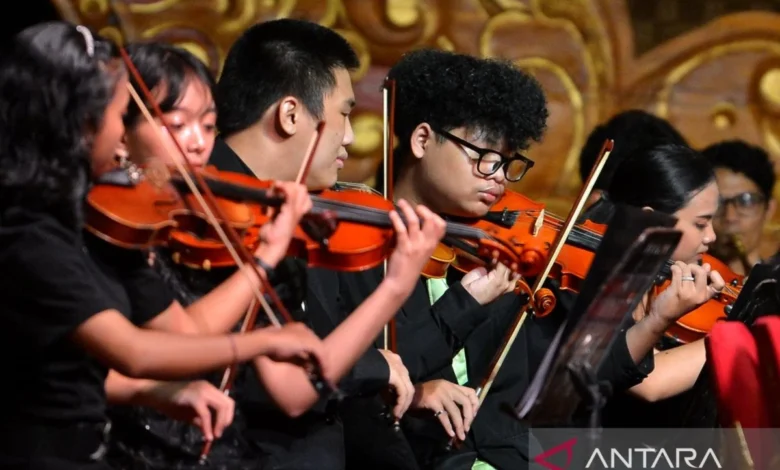
As the academic calendar transitions into the first quarter of 2026, final-year high school students across Indonesia are intensifying their preparations for the National Selection Based on Merit, locally known as Seleksi Nasional Berdasarkan Prestasi (SNBP). This admission pathway represents a prestigious opportunity for high-achieving students, particularly those with specialized talents in visual arts, music, dance, theater, and film, to secure placement in state universities (Perguruan Tinggi Negeri or PTN) without the requirement of a written examination. For the 2026 academic cycle, the focus on the creative economy has elevated the status of Indonesia’s dedicated art institutes, making them highly sought-after destinations for the nation’s next generation of creative professionals.
In the Indonesian higher education landscape, specialized arts and culture institutions are primarily categorized under the umbrellas of the Indonesian Institute of the Arts (Institut Seni Indonesia or ISI) and the Indonesian Institute of Arts and Culture (Institut Seni Budaya Indonesia or ISBI). These institutions are not merely centers of vocational training; they are the custodians of Indonesia’s vast cultural heritage and incubators for modern creative innovation. Each campus offers a distinct academic atmosphere, ranging from the preservation of classical traditional performances to cutting-edge research in digital media, visual communication design, and contemporary cinematography.
The Strategic Importance of SNBP in the Creative Sector
The SNBP remains the most coveted entry point for students because it prioritizes consistent academic performance and specialized portfolios. Unlike the test-based selection (SNBT), the SNBP allows students to showcase their three-year track record in high school. For art students, this often includes national-level awards, participation in exhibitions, or certifications in performing arts.
According to data from the Ministry of Education, Culture, Research, and Technology, the demand for creative arts majors has seen a steady increase of approximately 12% over the last three years. This trend aligns with the government’s broader economic strategy to position the creative economy as a primary pillar of national growth. By 2026, the integration of technology in arts—such as Augmented Reality (AR) in galleries and AI-driven music composition—has become a standard part of the curriculum in these state institutes, attracting a more diverse pool of applicants than ever before.
A Chronological Evolution of Indonesia’s Art Institutes
The development of these institutions reflects Indonesia’s journey in formalizing art education. Historically, art was taught through traditional apprenticeships or "sanggar." The formalization began in the mid-20th century with the establishment of academies like ASRI (Akademi Seni Rupa Indonesia) in Yogyakarta and ASTI (Akademi Seni Tari Indonesia) in various regions.
By the 1980s and 90s, these academies began merging and elevating their status to "Institutes," allowing them to offer full undergraduate and postgraduate degrees. The most recent wave of expansion occurred around 2014, when the government established several ISBI branches in regions like Aceh, Bandung, and Papua to ensure equitable access to cultural education across the archipelago. This timeline highlights a shift from local vocational training to internationally recognized academic excellence.
Detailed Profiles of State Art Institutions for 2026 Admissions
To assist prospective students in making informed decisions for the SNBP 2026, the following is a comprehensive breakdown of the major state art institutes in Indonesia.
1. Institut Seni Indonesia (ISI) Yogyakarta: The Pioneer of Artistic Tradition
Founded on July 23, 1984, ISI Yogyakarta is widely regarded as the "Mecca" of Indonesian art education. It was formed through the merger of the Indonesian Fine Arts Academy (ASRI), the Indonesian Music Academy (AMI), and the Indonesian Dance Academy (ASTI). Located in the cultural heart of Java, it offers a comprehensive spectrum of education ranging from Diploma 3 to Doctoral (S3) levels.
For the 2026 SNBP, ISI Yogyakarta remains a top choice for students interested in:
- Faculty of Visual Arts: Including Painting, Sculpture, Graphic Arts, Interior Design, and Visual Communication Design (DKV).
- Faculty of Performing Arts: Including Ethnomusicology, Dance, Music, Theater, and Puppetry (Pedalangan).
- Faculty of Recorded Media Arts: Which houses the highly competitive Film and Television and Photography programs.
2. Institut Seni Indonesia (ISI) Surakarta: Bridging Heritage and Modernity
Popularly known as ISI Solo, this institution is a powerhouse of Javanese cultural preservation. Operating across two main campuses in Kentingan and Mojosongo, ISI Surakarta has successfully transitioned from a traditional performing arts academy into a modern hub for creative industries.
The institution is particularly noted for its excellence in:
- Traditional Arts: Specifically Javanese Gamelan and traditional dance.
- Modern Design: Its Visual Communication Design and Batik/Fashion Design programs are highly ranked due to their integration of traditional motifs with modern market needs.
- Film and Television: Which has seen significant infrastructure investment in recent years to keep pace with the growing digital content industry.
3. Institut Seni Indonesia (ISI) Padangpanjang: The Gateway to Sumatran Culture
Established in its current form in 2010 following a transformation from the Sekolah Tinggi Seni Indonesia (STSI), ISI Padangpanjang serves as the primary center for the study of Malay and Minangkabau arts. It has received numerous accolades for its efforts in blending traditional Sumatran concepts with contemporary artistic expressions.
The campus offers specialized programs in:
- Performing Arts: Dance, Music, and Theater with a strong emphasis on the "Randai" tradition and Malay aesthetics.
- Fine Arts and Design: Including Craft Arts, Photography, and TV/Film studies that focus on the unique visual identity of Western Indonesia.
4. Institut Seni Indonesia (ISI) Denpasar: Where Art Meets Global Tourism
Located in the global cultural hub of Bali, ISI Denpasar was established on July 28, 2003. It is unique in its ability to provide students with immediate exposure to international art markets and tourism-driven creative industries. The institution boasts several "A" accredited programs and focuses heavily on the synergy between art and the tourism sector.
Key faculties include:
- Faculty of Performing Arts: Renowned for its Balinese Dance and Gamelan programs, which are world-famous.
- Faculty of Art and Design: Offering programs in Fashion Design, Interior Design, and Fine Arts that often collaborate with international designers and galleries.
5. Institut Seni Budaya Indonesia (ISBI) Bandung: Innovation in the Heart of West Java
Inaugurated by President Susilo Bambang Yudhoyono in 2014, ISBI Bandung has rapidly become a leader in cultural research and digital media arts. Despite being younger than the ISI branches, it has built an extensive network of national and international partnerships.
It is a strategic choice for students in West Java focusing on:
- Cultural Preservation: Specialized studies in Sundanese arts and literature.
- Modern Media: Programs in Film, Television, and Digital Media that cater to the creative industry in nearby Jakarta and Bandung.
6. ISBI Aceh and ISBI Tanah Papua: Regional Guardians of Identity
These two institutions represent the government’s commitment to cultural decentralization. ISBI Aceh, the only state art institute in northern Sumatra, focuses on the Islamic-influenced arts of the region. Meanwhile, ISBI Tanah Papua, also established in 2014, is the sole state art institution in Eastern Indonesia, dedicated to the preservation and global promotion of Melanesian culture and Papuan artistic traditions. These campuses are ideal for students who wish to be pioneers in documenting and revitalizing regional heritage.
The Role of Portfolios in the SNBP 2026 Process
A critical component of the SNBP for art institutes is the portfolio. Unlike general majors where grades are the primary metric, art institutes require a digital portfolio that demonstrates the applicant’s technical skills and creative potential.
Educational analysts suggest that for the 2026 intake, institutions are looking for "versatility." For instance, a visual arts applicant is expected to show not just drawing skills, but also an understanding of digital tools. Music applicants are encouraged to demonstrate both performance ability and basic knowledge of music production software. This shift reflects the industry’s demand for multi-skilled creative professionals.
Official Perspectives and Industry Implications
Government officials from the Ministry of Creative Economy have frequently emphasized that the graduates of these seven institutions are the "backbone of Indonesia’s soft power." In various statements leading up to the 2026 academic year, the ministry has highlighted the importance of art graduates in the fields of game development, animation, and cultural diplomacy.
"We no longer view art education as a secondary choice," stated a senior official from the Ministry of Education during a recent seminar on the future of vocational arts. "The 2026 SNBP selection is a rigorous filter to find students who can bridge the gap between traditional wisdom and the global digital economy. These institutes are where that transformation happens."
Broader Impact and Future Outlook
The rise in interest for ISI and ISBI institutions signifies a cultural shift in Indonesian society. Parents and students increasingly recognize that a degree in the arts offers viable and lucrative career paths in the 21st century. The creative industry currently contributes over 7% to Indonesia’s Gross Domestic Product (GDP), and this figure is projected to grow as digital platforms provide artists with direct access to global audiences.
Furthermore, the presence of these institutes in diverse regions—from Aceh to Papua—serves a vital socio-political function. They act as centers for "cultural resilience," ensuring that as Indonesia modernizes, its unique local identities are not lost but are instead reimagined through new media and contemporary lenses.
For students aiming for the SNBP 2026, the message is clear: the selection is not just about entering a university; it is about joining a community of practitioners dedicated to shaping the visual and auditory landscape of the nation. Prospective applicants are advised to begin curating their portfolios early, focusing on a balance between technical mastery of their chosen craft and a clear, original creative vision. As 2026 approaches, these seven institutions stand ready to transform raw talent into the professional excellence required for the global stage.