Understanding the Nuanced Differences Between Slow Living and Soft Living in Contemporary Lifestyle Movements


In an era defined by rapid technological advancement, constant connectivity, and the pervasive pressure of "hustle culture," two distinct yet frequently conflated philosophies have emerged as prominent counter-movements: slow living and soft living. While both concepts advocate for a departure from the frenetic pace of modern existence and prioritize mental well-being, they diverge significantly in their origins, core objectives, and practical applications. As the global workforce grapples with record-high levels of burnout, understanding these distinctions is essential for individuals seeking a sustainable path toward personal fulfillment and equilibrium.
The Historical Genesis of the Slow Living Movement
The concept of slow living is not a modern digital trend but rather a philosophy with deep historical roots. It originated from the "Slow Food" movement in Italy during the late 1980s. The catalyst for this movement occurred in 1986, when activist Carlo Petrini led a protest against the opening of a McDonald’s restaurant near the Spanish Steps in Rome. Petrini and his supporters argued that the rise of fast food threatened local food traditions, domestic economies, and the very quality of life. This protest eventually evolved into the "Slow Movement," which expanded beyond the kitchen to encompass various aspects of life, including "Slow Cities" (Cittaslow), slow fashion, and slow travel.
Slow living, at its core, is the antithesis of the "faster is better" mindset. It encourages individuals to approach every task with mindfulness and intentionality. According to Stephanie O’dea, author of the 2024 publication Slow Living: Cultivating a Life of Purpose in a Hustle-Driven World, the movement is about creating a life that supports long-term well-being through conscious decision-making. It involves a systemic evaluation of one’s time management, the setting of healthy boundaries, and the alignment of daily actions with core personal values. Slow living does not necessarily mean moving at a snail’s pace; rather, it means doing things at the "right" pace—prioritizing quality over quantity and presence over productivity.
The Digital Evolution of the Soft Living Philosophy
In contrast to the decades-old roots of slow living, "soft living"—often referred to in digital spaces as the "Soft Life"—is a more recent phenomenon. The term gained significant traction around 2020 and 2021, primarily popularized by Black female content creators in Nigeria. It emerged as a cultural rebellion against "struggle culture," the societal expectation that success must be earned through grueling labor, suffering, and the sacrifice of one’s mental and physical health.
Soft living is characterized by a commitment to ease, comfort, and the avoidance of unnecessary stress. It posits that individuals deserve a life of luxury and peace without having to endure hardship to justify it. While it shares the "anti-hustle" sentiment of slow living, soft living is more focused on the immediate environment and the emotional experience of the individual. It emphasizes curated comfort, self-care rituals, and the refusal to engage in situations that drain one’s energy. On social media platforms like TikTok and Instagram, soft living is often associated with high-quality aesthetics, such as serene home environments, spa treatments, and the enjoyment of fine goods, positioning it as a lifestyle of radical self-indulgence and protection.
Key Distinctions in Focus and Structure
To fully grasp the differences between these two lifestyles, it is necessary to examine their primary areas of focus and their underlying structures.
1. Core Objectives: Intentionality vs. Comfort
The fundamental goal of slow living is intentionality. Practitioners seek to live a "meaningful" life, which often requires deep introspection and a willingness to engage in slow, deliberate processes, such as gardening, artisanal crafting, or long-form reading. The focus is on the depth of the experience.
Soft living, however, prioritizes comfort and the minimization of friction. The goal is to make life as easy as possible. This might involve outsourcing chores, investing in high-quality products that simplify daily routines, or choosing a career path that offers maximum flexibility with minimum stress. Where slow living asks, "Is this meaningful?" soft living asks, "Does this bring me peace and ease?"
2. Visual Aesthetics vs. Life Systems
Soft living is heavily reliant on visual cues and environmental aesthetics. It often manifests in a "soft aesthetic"—warm lighting, neutral color palettes, and cozy textiles. For many, the environment is a tool used to trigger a state of relaxation.
Slow living is less about the visual "look" and more about the invisible "system." A person practicing slow living might live in a cluttered house or a busy city, but they manage their internal tempo and external commitments with rigorous discipline. Slow living is an organizational framework for the soul and the schedule, whereas soft living is often an atmospheric choice for the senses.
3. Temporal Scope: Long-Term Systems vs. Immediate Momenst
Slow living is generally viewed as a holistic, long-term lifestyle shift. It involves restructuring one’s career, social life, and consumption habits to ensure a sustainable pace of life for years to come. It is a marathon approach to existence.
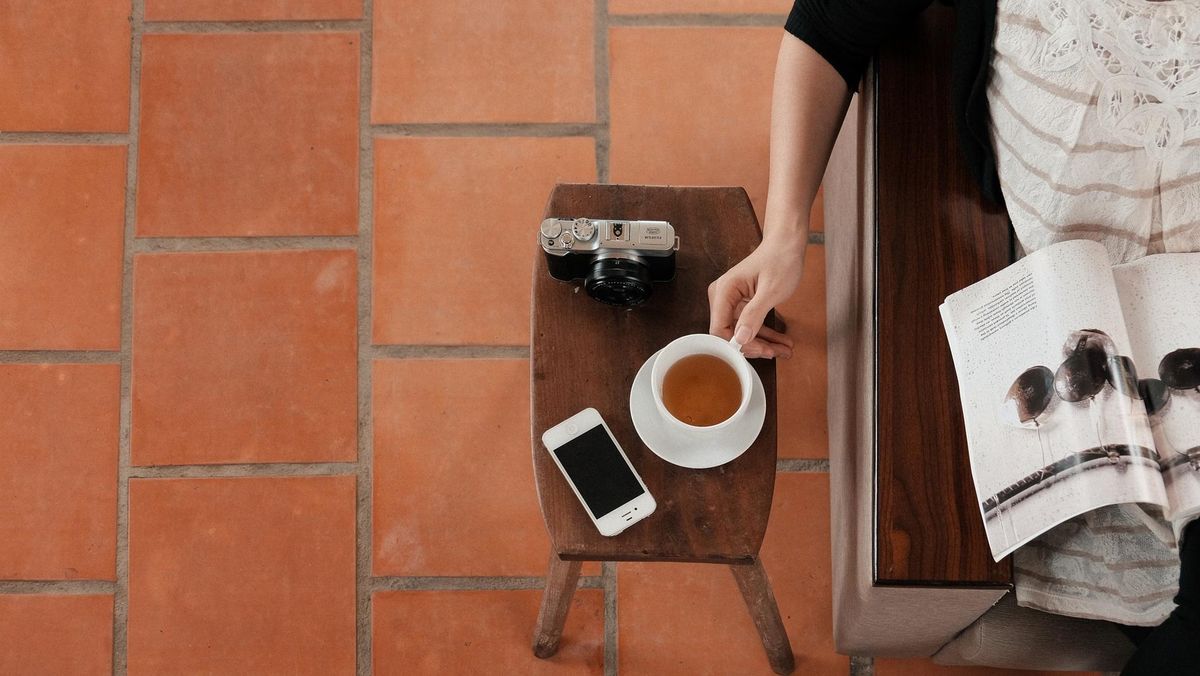
Soft living can be more episodic or focused on specific routines. A "soft life" might be practiced through a luxurious morning routine or a weekend dedicated to total rest. While it can be a permanent mindset, it is frequently expressed through curated moments of self-care and the immediate relief of stress.
Productivity and Stress Management
The two movements also differ in how they perceive work and manage pressure.
4. The View on Productivity
Soft living often involves a direct rejection of traditional productivity metrics. It embraces the idea that "doing nothing" is a valid and valuable use of time. In some iterations, soft living is seen as a way to opt out of the competitive labor market entirely or to engage with it only on one’s own terms.
Slow living does not necessarily reject productivity; instead, it seeks to redefine it. A slow-living advocate might be highly productive, but they achieve their goals through "deep work" and focus rather than frantic multitasking. The emphasis is on doing one thing at a time, exceptionally well, without the psychological burden of urgency.
5. Approaches to Stress Prevention and Mitigation
In the realm of soft living, stress is managed through mitigation and comfort. When the world becomes too loud, the "soft life" response is to retreat into a safe, comfortable space, engage in pampering, and protect one’s "peace" by disengaging from conflict.
Slow living focuses on the prevention of stress through the establishment of boundaries and the simplification of one’s life. By reducing the number of commitments and living below one’s means (both financially and energetically), the slow-living practitioner aims to eliminate the sources of stress before they require mitigation.
Socio-Economic Context and Broader Implications
The rise of these movements coincides with a global shift in how society views the relationship between work and identity. Data from the World Health Organization (WHO) and the International Labour Organization (ILO) has increasingly highlighted the physical toll of overwork, linking long working hours to hundreds of thousands of deaths annually from stroke and heart disease. In this context, slow and soft living are not merely "trends" but are survival strategies for a workforce pushed to its limits.
However, critics often point to the "privilege gap" inherent in both movements. Critics argue that slow living, which might involve growing one’s own food or working fewer hours, requires a level of financial security that is inaccessible to the working class. Similarly, the "luxury" aspect of soft living is often criticized for being consumerist and elitist.
Despite these critiques, the broader impact of these philosophies is visible in the "Quiet Quitting" phenomenon and the increasing demand for four-day workweeks. Both slow and soft living represent a collective psychological shift: the realization that human value is not tied to economic output.
Conclusion: Choosing the Right Path
Ultimately, the choice between slow living and soft living—or a hybrid of both—depends on an individual’s specific needs and circumstances. Slow living is ideal for those seeking a deeper connection to their actions, a more sustainable pace of work, and a life built on conscious, value-driven choices. It is a philosophy for the long haul, requiring discipline and a commitment to "less but better."
Soft living is particularly relevant for those who have spent years in high-stress environments and are seeking immediate emotional restoration. It is a vital tool for those reclaiming their right to rest and ease in a world that demands constant struggle.
By distinguishing between the mindful intentionality of slow living and the comfort-oriented ease of soft living, individuals can better navigate their personal journeys toward wellness. Whether through the restructuring of a life system or the curation of a peaceful moment, both movements offer a necessary sanctuary from the relentless speed of the 21st century.