Suzuki Indomobil Sales Sees Significant Sales Surge Driven by Government Procurement Program


Suzuki Indomobil Sales (SIS) has experienced a substantial boost in its sales figures, largely attributed to its participation in the "Makan Bergizi Gratis" (MBG) or "Free Nutritious Meal" government procurement program, which has dramatically increased demand for its Carry model. This strategic opportunity had been anticipated by Suzuki for some time and was a key component of the company’s targets for the current year.
Donny Saputra, Deputy Managing Director of Sales and Marketing for 4W at Suzuki Indomobil Sales (SIS), stated that the company had established its annual sales targets well in advance, beginning in the 2026 fiscal year. "Up to this point, these targets are proceeding according to plan. This means that the achievements we’ve seen recently were already factored into our projections," Saputra remarked during an interview in Jakarta.
He further elaborated that the surge in demand for the Carry model within the light commercial vehicle segment has not necessitated an adjustment to the company’s overall sales objectives. Suzuki has adopted a strategic approach, focusing on market share rather than absolute unit sales figures. The company remains optimistic about achieving its target of capturing 9.5 percent of the national automotive market share in 2026.
National Sales Targets and Suzuki’s Position
The Indonesian Automotive Industry Association (Gaikindo) has projected a total national vehicle sales target of 850,000 units for the current year. Based on this projection, Suzuki aims to contribute at least 80,750 units to this figure.
Suzuki’s strategic positioning and product appeal have seen it ascend to the third position among the best-selling automotive brands in Indonesia by February 2026. This impressive rise, based on factory-to-dealer (wholesales) distribution data from Gaikindo, saw Suzuki overtake established competitors such as Mitsubishi, Honda, and BYD. During February, Suzuki secured the third spot with a wholesales volume of 9,659 units.
The Carry Model: A Star Performer
The Suzuki Carry pickup truck emerged as the top-selling vehicle model within the top 10 list for February, with a distribution of 6,554 units to dealerships. The company officially acknowledged the MBG program as a significant contributor to the heightened demand for the Carry.
As the year progressed into March, Suzuki maintained a strong presence, ranking fourth in wholesales with 4,552 units. The Carry model continued its robust performance, with 2,739 units distributed to dealers during the same month.
Cumulatively, from January to March 2026, Suzuki’s wholesales market share stood at 8.1 percent, while its retail sales market share reached 9 percent. This performance indicates a sustained upward trajectory for the brand in the competitive Indonesian automotive landscape.
Background of the Makan Bergizi Gratis Program
The Makan Bergizi Gratis (MBG) program is a flagship initiative by the Indonesian government aimed at improving the nutritional status of pregnant women and children. The program typically involves the procurement and distribution of nutritious food packages. Given the logistical demands of such a widespread program, the need for reliable and cost-effective transportation solutions is paramount. This is where commercial vehicles like the Suzuki Carry play a crucial role.
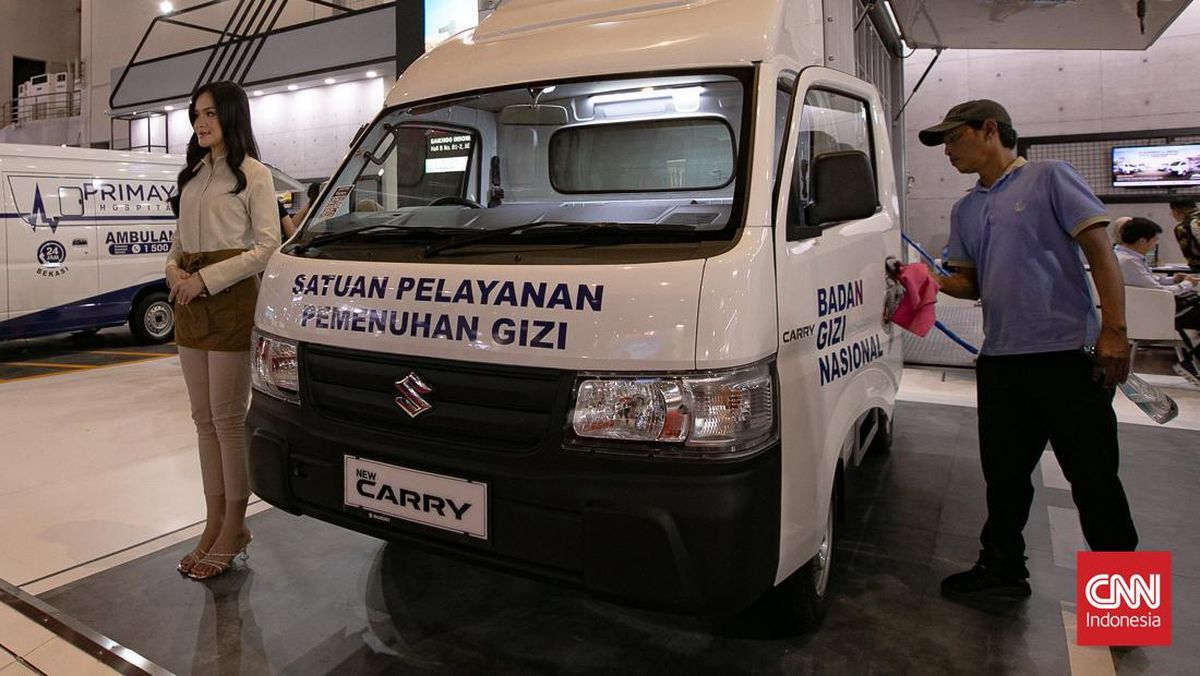
The program’s operational requirements likely involve the regular transport of food supplies from distribution hubs to various community centers, health clinics, and educational institutions across the vast Indonesian archipelago. The Suzuki Carry, known for its durability, fuel efficiency, and cargo capacity, is well-suited for these demanding logistical tasks. Its relatively low operating costs and widespread service network also make it an attractive choice for government agencies and their contracted service providers.
The government’s procurement process for vehicles often involves tenders and contracts that prioritize value for money, reliability, and adherence to specific technical requirements. Suzuki’s success in securing a portion of this business underscores its competitive pricing, product quality, and its ability to meet the stringent criteria set forth by public sector procurement.
Market Dynamics and Competitive Landscape
The Indonesian automotive market is one of the largest in Southeast Asia, characterized by intense competition among domestic and international brands. The light commercial vehicle (LCV) segment, in particular, is vital for businesses and government operations, serving as the backbone for transportation and logistics.
The Suzuki Carry has a long-standing reputation in Indonesia as a dependable and affordable workhorse. Its enduring popularity can be attributed to its robust design, low maintenance costs, and its ability to handle a variety of commercial applications. The program’s demand has provided Suzuki with a significant opportunity to leverage this established reputation and further solidify its market position.
The competition in the LCV segment includes models from other major players such as Mitsubishi (with its Colt L300), Toyota (with its Kijang Pickup), and various other brands offering similar utility vehicles. However, the scale of the MBG program likely represents a substantial single-source demand that can significantly impact the sales volumes of participating manufacturers.
Suzuki’s Strategic Outlook and Future Implications
Suzuki’s proactive approach in anticipating market opportunities, such as the MBG program, highlights its strategic foresight. By setting clear targets and aligning its product offerings with government initiatives, the company demonstrates a commitment to growth and market penetration.
The sustained demand from the MBG program not only boosts Suzuki’s current sales but also has broader implications:
- Enhanced Brand Visibility and Reputation: Successful participation in large-scale government projects enhances a brand’s credibility and visibility among consumers and other potential clients. It positions Suzuki as a reliable partner for national development initiatives.
- Increased Production and Employment: A significant surge in demand for the Carry model would likely translate into increased production volumes at Suzuki’s manufacturing facilities in Indonesia. This, in turn, could lead to job creation and stimulate economic activity within the automotive supply chain.
- Strengthened Dealer Network: Higher sales volumes benefit Suzuki’s extensive network of dealerships across the country. Increased sales provide dealerships with greater revenue, supporting their operations and potentially leading to expansion or improved service offerings.
- Long-Term Market Share Growth: The substantial sales generated from the MBG program can contribute significantly to Suzuki’s overall market share. If Suzuki can effectively maintain customer satisfaction and product quality throughout the program’s duration, it could foster long-term loyalty and influence future purchasing decisions.
- Potential for Future Government Contracts: The success of the Carry in fulfilling the MBG program’s requirements could open doors for Suzuki to participate in other government procurement tenders for vehicles, reinforcing its role as a key supplier to public sector entities.
Suzuki’s strategy of focusing on market share rather than solely on unit sales reflects a sophisticated understanding of long-term business sustainability. By aiming for a 9.5 percent market share, the company is positioning itself for consistent growth and influence within the Indonesian automotive industry. The current performance indicates that this strategy is proving effective, particularly with the timely contribution from the MBG program.
The company’s optimistic outlook for 2026 is grounded in a combination of its established product strengths, strategic market engagement, and the significant demand generated by key government initiatives. As the year unfolds, the automotive industry will be closely watching to see if Suzuki can maintain this momentum and achieve its ambitious market share targets, further cementing its position as a leading automotive player in Indonesia. The success of the Carry in supporting critical social programs like MBG underscores the broader impact of the automotive sector on national development and public welfare.