Indonesia Unveils Bobibos: A Groundbreaking Biofuel from Agricultural Waste to Revolutionize Renewable Energy

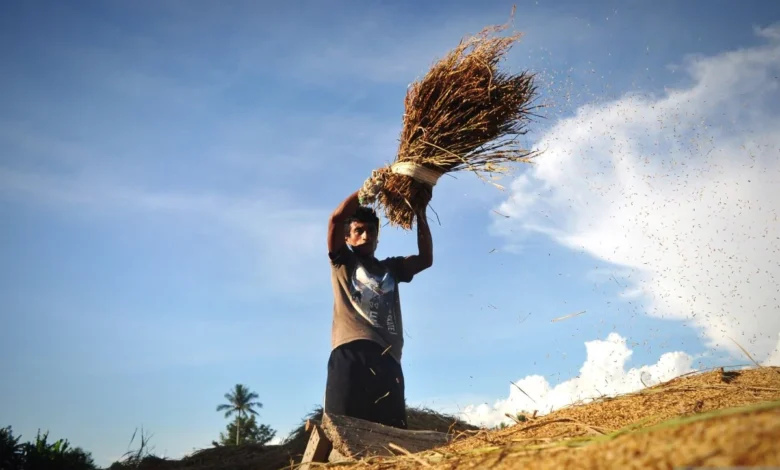
Indonesia is once again at the forefront of renewable energy innovation with the introduction of Bobibos, a pioneering eco-friendly alternative fuel. Developed by PT Inti Sinergi Formula, Bobibos represents a significant leap forward in transforming agricultural waste, specifically rice straw, into a high-performance and environmentally conscious energy source. This breakthrough, unveiled on Sunday, November 2nd, in Jonggol, Bogor Regency, West Java, signals a potential paradigm shift in Indonesia’s energy landscape and its commitment to sustainability.
The name "Bobibos" itself is a proud declaration: Bahan Bakar Original Buatan Indonesia Bos, translating to "Original Indonesian-Made Fuel, Boss." This innovative product falls under the category of Biofuel (Bahan Bakar Nabati – BBN) and is the brainchild of M. Ikhlas Thamrin and his dedicated research team. Their meticulous work has transformed a material often discarded and burned post-harvest into a valuable commodity.
The Science Behind Bobibos: From Straw to High-Performance Fuel
The transformation of rice straw into Bobibos is a sophisticated process rooted in bioenergy principles, enhanced by the proprietary "special serum" developed by Thamrin and his team. This unique methodology converts the fibrous structure of straw into a potent fuel. Crucially, Bobibos has demonstrated a Research Octane Number (RON) of 98, placing its performance on par with premium fossil fuels. This high octane rating means Bobibos can be used in a wide range of engines without compromising power or efficiency.
Beyond its impressive performance, Bobibos boasts exceptional environmental credentials. The fuel is engineered to significantly reduce exhaust emissions, with claims of emissions approaching zero. This stands in stark contrast to conventional fossil fuels, which are major contributors to air pollution and greenhouse gas emissions. The implications for public health and environmental protection are substantial, offering a cleaner alternative for transportation and industrial use.
Addressing Energy Independence and Economic Empowerment
The genesis of Bobibos lies in Indonesia’s long-standing ambition to reduce its reliance on imported energy sources. For over a decade, M. Ikhlas Thamrin has been engaged in independent research, driven by the vision of harnessing locally abundant resources for energy production. Rice straw was strategically chosen due to its widespread availability across Indonesia’s vast agricultural lands and its efficient production cycle.
The use of readily available local feedstock offers a compelling economic advantage. By minimizing the need for imported raw materials, the production costs for Bobibos are significantly reduced. This cost-effectiveness is projected to translate into a competitive retail price, making it an attractive alternative to conventional fuels for consumers and businesses alike.
Furthermore, Bobibos offers a dual benefit by creating a new economic value stream for farmers. Agricultural waste, which has historically been a disposal challenge, is now positioned as a valuable resource. Farmers can now monetize their straw, transforming a previously valueless byproduct into a source of additional income. This integration of waste management and energy production fosters a circular economy within the agricultural sector.
Versatility and Broad Application
Bobibos is not a one-size-fits-all solution; it is available in two distinct formulations: gasoline and diesel. This versatility ensures its applicability across a wide spectrum of engines and machinery. From motorcycles and cars to agricultural equipment like tractors, and even powering fishing vessels and industrial machinery, Bobibos is designed to seamlessly integrate into existing infrastructure.
The development of both gasoline and diesel variants addresses the diverse needs of the Indonesian economy, which relies heavily on both sectors for transportation, agriculture, and industry. This broad applicability is a key factor in the potential for widespread adoption and its impact on reducing the nation’s carbon footprint.
Early Endorsements and Pilot Testing
The efficacy and potential of Bobibos have already garnered significant attention and endorsement from key figures and stakeholders. Governor of West Java, Dedi Mulyadi, personally conducted a field test of Bobibos using a diesel tractor at Lembur Pakuan. His observations were overwhelmingly positive, noting optimal engine performance, a lighter operational feel, and demonstrably cleaner exhaust fumes. This hands-on validation from a prominent regional leader lends considerable credibility to the fuel’s claims.
The support for Bobibos extends beyond governmental circles, with active participation from industry players. H. Amir Mahpud, owner of PT Primajasa, a major bus operator, has publicly expressed his readiness to collaborate. Primajasa is keen on integrating Bobibos as the primary fuel for its extensive bus fleet operating across the Jabodetabek (Jakarta, Bogor, Depok, Tangerang, Bekasi) and West Java regions. This commitment from a large transportation company signifies a crucial step towards scaling up Bobibos production and consumption.
This collaboration is anticipated to serve as a catalyst for broader national adoption, propelling Indonesia’s transition towards a competitive and sustainable green energy future. The successful integration of Bobibos into commercial fleets would not only validate its performance under demanding conditions but also demonstrate its economic viability on a larger scale.
Economic and Environmental Synergies: A Sustainable Ecosystem
The impact of Bobibos production extends beyond the fuel itself, creating a cascade of positive economic and environmental effects. The process of converting rice straw into biofuel is remarkably efficient. It is estimated that one hectare of rice paddy can yield up to 3,000 liters of biofuel. This substantial output highlights the immense potential of agricultural lands to contribute significantly to national energy supply.
Moreover, the Bobibos production process generates valuable byproducts. These include nutrient-rich animal feed and organic fertilizer. This integrated approach transforms waste into multiple essential resources, further enhancing the sustainability of the agricultural sector. Farmers can benefit not only from selling their straw for fuel but also from utilizing the byproducts for livestock and soil enrichment.
This creates a virtuous cycle: increased biofuel production leads to more fertilizer for crops, which in turn can lead to higher yields and potentially more straw for future biofuel production. Similarly, the availability of affordable animal feed can support the growth of the livestock industry. This holistic approach positions Bobibos as a cornerstone of a truly sustainable economic ecosystem within Indonesia.
Broader Implications for Indonesia’s Energy Future
The emergence of Bobibos is highly significant within the global context of the energy transition. As nations grapple with climate change and the volatility of fossil fuel markets, the development of locally sourced, renewable energy alternatives is paramount. Indonesia, with its vast agricultural resources, is uniquely positioned to become a leader in this field.
The success of Bobibos could inspire further research and development into other forms of bioenergy derived from diverse agricultural and forestry waste streams. This could include the utilization of palm oil byproducts, coconut husks, or even municipal organic waste. The potential for Indonesia to achieve greater energy self-sufficiency and reduce its carbon footprint is immense.
Challenges and Opportunities Ahead
While the outlook for Bobibos is exceptionally promising, the path to widespread adoption will undoubtedly present challenges. Scaling up production to meet national demand will require significant investment in infrastructure, technology, and skilled labor. Ensuring consistent quality control and standardization across all production facilities will be crucial for building trust and ensuring reliable supply.
Furthermore, public education and awareness campaigns will be vital to encourage consumer acceptance and adoption of this new fuel. Overcoming ingrained preferences for conventional fuels and highlighting the long-term benefits of Bobibos, both economically and environmentally, will be a key undertaking.
Regulatory frameworks and government incentives will also play a critical role. Clear policies supporting biofuel production, tax breaks for early adopters, and mandates for a certain percentage of biofuel in the national fuel mix could accelerate the transition. The government’s commitment to fostering innovation in the renewable energy sector will be instrumental in realizing the full potential of Bobibos.
A Glimpse into Indonesia’s Renewable Energy Trajectory
Bobibos is not an isolated development but rather a testament to Indonesia’s growing prowess in renewable energy research and application. The nation has been actively exploring various avenues, including the development of bioavtur (bio-jet fuel) from used cooking oil, as highlighted by the research from IPB University. The government’s engagement with international partners, such as the collaboration with Brazil on ethanol-based biofuels, further underscores its commitment to diversifying its energy portfolio.
The experiences of other nations, like Australia’s interest in biofuels to curb emissions and Japan’s innovative approach to developing alternative fuels from wood and paper, offer valuable insights and potential for cross-learning. However, Indonesia’s unique advantage lies in its abundant agricultural resources, which Bobibos is effectively leveraging.
The call from energy observers for a clear roadmap for bioethanol development emphasizes the need for strategic planning and policy support. The success of Bobibos could serve as a powerful case study and a catalyst for the acceleration of such strategic initiatives.
Conclusion
Bobibos represents more than just a new fuel; it embodies Indonesia’s innovative spirit, its commitment to environmental stewardship, and its strategic vision for energy independence. By transforming agricultural waste into a high-performance, eco-friendly alternative, PT Inti Sinergi Formula and M. Ikhlas Thamrin have paved the way for a cleaner, more sustainable, and economically robust energy future for Indonesia. The journey ahead will require concerted effort and collaboration, but the potential rewards – a cleaner environment, reduced reliance on imports, and enhanced economic opportunities for farmers – are substantial, positioning Indonesia as a significant player in the global renewable energy revolution.