Gajah Tunggal Tbk Navigates Rising Production Costs by Prioritizing Consumer Affordability and Market Dynamics

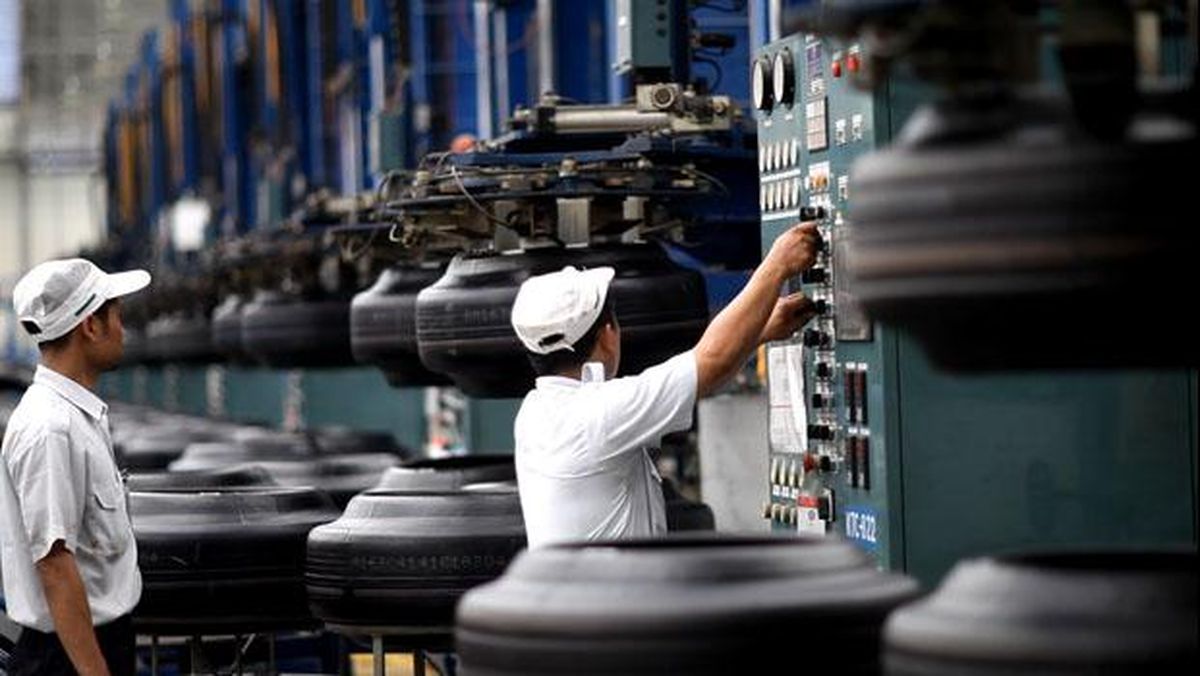
Karawang, Indonesia – PT Gajah Tunggal Tbk, a prominent Indonesian tire manufacturer, has announced its strategic approach to managing escalating production costs, which have surged since the beginning of the year due to significant increases in raw material prices. Despite these inflationary pressures, the company is committed to maintaining its current selling prices, a decision driven by a careful consideration of consumer purchasing power and the competitive landscape. This steadfast pricing strategy underscores Gajah Tunggal’s commitment to market stability and customer loyalty, even in the face of considerable internal financial challenges.
Elly Pudjiati, General Manager of Domestic Sales Replacement at PT Gajah Tunggal Tbk, articulated the company’s position during a press conference in Karawang, West Java, on Thursday, July 23rd. She acknowledged that the rise in raw material costs presents a significant hurdle for the entire tire industry. However, she emphasized that this factor is not the sole determinant in the company’s pricing decisions.
"While there are indeed investments related to raw materials, this is not the most primary consideration," Pudjiati stated. "If we were to increase prices, we must first understand our product’s position relative to our competitors. This requires a comprehensive market analysis, not just an internal cost-plus approach."
This nuanced approach highlights Gajah Tunggal’s understanding of the interconnectedness of its business with the broader economic environment and its distribution network. The company recognizes its responsibility to its distributors and business partners, whose success is directly tied to the market’s ability to absorb Gajah Tunggal’s products at competitive price points.
"Therefore, our pricing policy at PT Gajah Tunggal does not solely reflect internal company conditions," Pudjiati elaborated. "We must also consider the market’s capacity to absorb our products. This holistic view ensures the sustainability of our entire business ecosystem."
Maintaining Market Stability Amidst Inflationary Pressures
The company’s deliberate decision to absorb a significant portion of the increased production costs, rather than passing them directly to consumers, signals a strategic move to protect its market share and reinforce its brand value. This strategy is particularly crucial in a competitive market like Indonesia, where consumer sensitivity to price fluctuations can significantly impact sales volumes.
Pudjiati expressed confidence in the company’s ability to navigate these challenges, noting that any price adjustments, if necessary, would be within carefully calibrated limits. The company’s current market performance, she claimed, remains robust, indicating the effectiveness of its pricing and product strategies.
"We are confident that our market remains stable to this day," she asserted. Gajah Tunggal’s strong performance is further bolstered by its reputation as a trusted brand for tire components. Pudjiati proudly announced that the company has successfully secured a position among the top three best-selling tire manufacturers domestically.
"The passenger car segment has remained stable, even with the price adjustments we have implemented," she noted. This statement suggests that the price adjustments, when made, have been strategic and have not deterred consumer demand significantly.
The magnitude of the raw material cost increases has been substantial, with some estimates suggesting double-digit percentage hikes. Pudjiati elaborated on this point, stating, "When we see the extraordinary rise in raw materials, up to double digits, does that mean we increase our prices by double digits as well? No. There are various other considerations." This indicates a commitment to absorbing a substantial portion of these increases internally, demonstrating a long-term vision that prioritizes market leadership and customer retention over short-term profit maximization.
Tires as a Critical Investment in Vehicle Safety
Beyond commercial considerations, Gajah Tunggal also emphasizes the intrinsic value of its products. Pudjiati underscored the critical role tires play in vehicle safety, framing them as an essential investment for vehicle owners. This perspective aims to resonate with consumers by highlighting the safety and reliability benefits of Gajah Tunggal’s tires, thereby justifying their value proposition even amidst economic uncertainties. The company believes that by providing high-quality, safe tires, it contributes directly to the well-being of its customers and the broader community.
Strategic Product Innovation: GitiXcursion RT to Debut at GIIAS 2026
Looking ahead, PT Gajah Tunggal is not resting on its laurels. The company is actively investing in product development and innovation. A significant announcement was made regarding the upcoming launch of its latest tire model, the GitiXcursion RT, at the Gaikindo Indonesia International Auto Show (GIIAS) 2026. This strategic unveiling at a major automotive industry event underscores the company’s commitment to staying at the forefront of tire technology and market trends.
The GitiXcursion RT is engineered to cater to the growing demand for vehicles capable of handling diverse terrains. It will be available in twelve different sizes, designed to fit 18-inch and 20-inch rims. This new offering is specifically targeted at popular SUV models and pickup trucks, including esteemed vehicles such as the Toyota Fortuner, Mitsubishi Pajero Sport, Toyota Hilux, Isuzu mu-X, and the Ford Ranger pickup. This strategic product placement indicates a focus on high-growth segments within the automotive market.
The development of the GitiXcursion RT reflects Gajah Tunggal’s understanding of evolving consumer needs and preferences, particularly the increasing popularity of SUVs and off-road capable vehicles in Indonesia. By introducing a tire specifically designed for these vehicles, the company aims to capture a larger share of this lucrative market segment. The technical specifications and performance capabilities of the GitiXcursion RT are expected to be a key talking point at GIIAS 2026, further solidifying Gajah Tunggal’s reputation for innovation and quality.
Broader Industry Context and Economic Implications
The challenges faced by Gajah Tunggal are not unique to the company; they are representative of the broader Indonesian automotive and manufacturing sectors. Global supply chain disruptions, geopolitical instability, and fluctuating commodity prices have created a volatile operating environment for many industries. The price of natural rubber, a key component in tire manufacturing, has seen significant volatility in recent years, influenced by factors such as weather patterns affecting harvests in major producing countries and global demand dynamics. Synthetic rubber prices, often linked to crude oil prices, have also been subject to considerable fluctuations.
According to industry reports from organizations like the International Rubber Study Group (IRSG), the global natural rubber market has experienced significant price swings. For instance, prices can be influenced by factors such as El Niño weather patterns impacting yields in Southeast Asia, which accounts for the vast majority of global production. Similarly, the price of petrochemical feedstocks, essential for synthetic rubber production, is closely tied to the volatile global oil market.
The Indonesian tire market itself is substantial, with a large domestic vehicle parc and a growing demand for both original equipment (OE) and replacement tires. The domestic market is characterized by intense competition, with both local players like Gajah Tunggal and international brands vying for market share.
Gajah Tunggal’s strategy of absorbing costs rather than immediately raising prices can be seen as a competitive advantage. It allows them to maintain price stability for consumers and distributors, potentially gaining market share from competitors who are forced to implement steeper price hikes. However, this strategy also puts pressure on the company’s profit margins. The sustainability of this approach will depend on the company’s ability to improve operational efficiencies, secure favorable raw material contracts in the future, or find other avenues for cost reduction.
The company’s continued investment in product development, as evidenced by the upcoming GitiXcursion RT, is a crucial element of its long-term strategy. By offering innovative and high-performance products, Gajah Tunggal aims to differentiate itself and command premium pricing in certain segments, thereby offsetting some of the margin pressures from its mass-market offerings.
The upcoming GIIAS 2026 event will serve as a crucial platform for Gajah Tunggal to showcase its latest innovations and connect with industry stakeholders, consumers, and media. The success of the GitiXcursion RT launch will be a key indicator of the company’s ability to adapt to evolving market demands and maintain its competitive edge in the dynamic Indonesian automotive industry. The company’s forward-looking approach, balancing immediate cost pressures with long-term strategic investments, positions it to navigate the complexities of the current economic climate and emerge stronger.