The prevalence of iron deficiency remains a critical public health challenge globally, often manifesting as subtle symptoms such as persistent fatigue, difficulty focusing, and a general lack of cognitive clarity. While these issues are frequently dismissed as the results of a busy lifestyle or lack of sleep, medical experts warn that they are often the primary indicators of a deeper physiological imbalance. Iron is a fundamental micronutrient required for the production of hemoglobin, the protein in red blood cells responsible for transporting oxygen from the lungs to the rest of the body. When iron levels are insufficient, the body’s ability to oxygenate its tissues is compromised, leading to a condition known as anemia. This condition does not merely affect physical stamina; it has profound implications for neurological health, productivity, and long-term developmental outcomes, particularly in vulnerable demographics such as children, adolescent girls, and women of reproductive age.
According to data presented by the Indonesia Health Development Center (IHDC) in Jakarta, the impact of iron deficiency is far-reaching. Dr. Luciana Sutanto, a specialist in clinical nutrition, emphasizes that maintaining adequate iron intake is not just about physical health but is a prerequisite for maintaining optimal brain function. In a recent seminar, Dr. Sutanto highlighted that the symptoms of being "disconnected" or "not in sync" during daily activities are often the brain’s response to a lack of oxygen and essential nutrients. As the global medical community seeks to address the "triple burden" of malnutrition—undernutrition, micronutrient deficiencies, and overweight—the focus on iron-rich diets has become a cornerstone of preventative healthcare strategies.
Understanding the Biological Mechanisms: Heme vs. Non-Heme Iron
To effectively combat iron deficiency, it is essential to understand that not all dietary iron is created equal. From a nutritional science perspective, iron is categorized into two distinct types: heme and non-heme iron. These classifications are based on the chemical structure of the iron and its source, which significantly dictates how efficiently the human body can absorb and utilize the mineral.
Heme iron is derived from animal-based sources. It is part of the hemoglobin and myoglobin molecules found in meat, poultry, and fish. The biological advantage of heme iron lies in its high bioavailability. The human body is remarkably efficient at absorbing heme iron, with absorption rates typically ranging between 25 and 30 percent. Because the body has specific pathways for processing heme iron that are less affected by other dietary components, it remains the most potent source for rapidly increasing iron stores.
Conversely, non-heme iron is found in plant-based foods and iron-fortified products. While non-heme iron constitutes the majority of iron intake in many diets worldwide, its absorption rate is considerably lower, often fluctuating between 1 and 10 percent. The absorption of non-heme iron is highly sensitive to the presence of other nutrients consumed during the same meal. Despite this lower efficiency, non-heme iron is a vital component of a balanced diet, providing necessary nutrients to those who follow vegetarian or vegan lifestyles, or those who simply wish to diversify their protein sources.
Primary Food Sources for Optimal Iron Intake
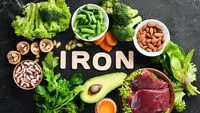
Integrating a variety of iron-rich foods into a daily menu is the most sustainable way to prevent anemia. Nutritionists recommend a "food-first" approach, where the majority of micronutrients are obtained through whole foods rather than supplements alone, unless medically indicated.
For those focusing on heme iron, the most effective sources include:
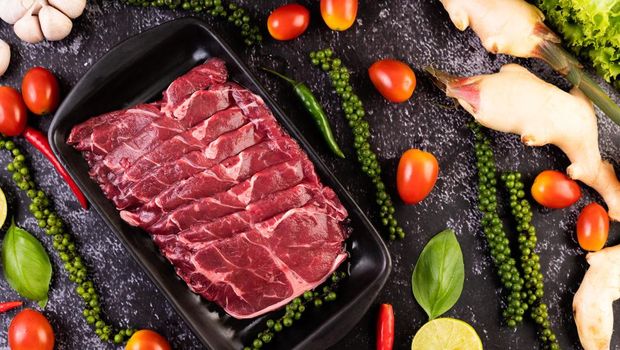
- Red Meats: Beef, lamb, and goat are among the densest sources of heme iron. Organ meats, particularly liver, are exceptionally high in iron, though they should be consumed in moderation due to their high vitamin A and cholesterol content.
- Poultry: Chicken and turkey, especially the darker meat sections like thighs, provide a steady source of absorbable iron.
- Seafood: Shellfish such as clams, oysters, and mussels are powerhouses of iron. Fish like tuna and sardines also contribute significantly to daily requirements.
- Eggs: While the iron in eggs is often classified as having lower bioavailability than meat, they remain an accessible and versatile source of animal protein and iron.
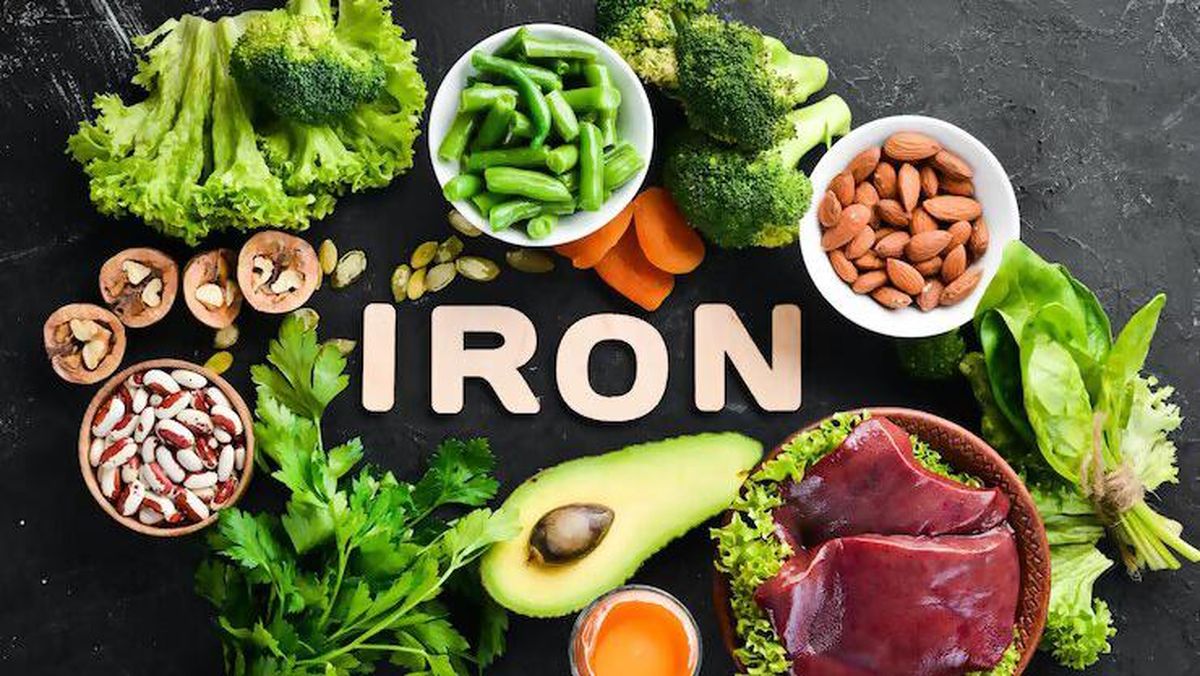
For individuals relying on non-heme iron, the following sources are recommended:
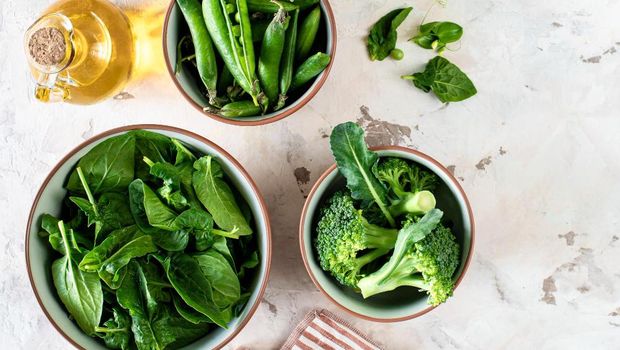
- Dark Leafy Greens: Spinach, kale, and collard greens are famous for their iron content. However, they also contain oxalates, which can hinder absorption, making it important to pair them with enhancers.
- Legumes: Lentils, chickpeas, beans (such as kidney, black, and pinto), and soybeans (including tofu and tempeh) are excellent plant-based iron sources.
- Fortified Foods: Many cereals, breads, and grains are enriched with iron during processing to help populations meet their nutritional targets.
- Seeds and Nuts: Pumpkin seeds, sesame seeds (tahini), and cashews offer significant amounts of iron per serving.
The Role of Synergy: Enhancers and Inhibitors of Absorption
The effectiveness of an iron-rich diet depends heavily on the "meal matrix"—the combination of different foods consumed together. Dr. Luciana Sutanto notes that the key to maximizing iron uptake, especially from non-heme sources, is the strategic inclusion of Vitamin C (ascorbic acid). Vitamin C acts as a powerful enhancer by capturing non-heme iron and storing it in a form that is more easily absorbed by the small intestine.
In practical terms, this means that consuming a glass of orange juice, a serving of bell peppers, or fresh strawberries alongside a bowl of lentils or spinach can exponentially increase the amount of iron the body actually receives. This synergistic relationship is a fundamental principle of "Gizi Seimbang" or balanced nutrition, a concept heavily promoted by health departments to ensure that caloric intake translates into actual nourishment.
Conversely, certain substances can inhibit iron absorption. Tannins found in tea and coffee, as well as polyphenols and phytates found in some whole grains and legumes, can bind to iron and prevent it from being absorbed. Furthermore, excessive calcium intake during an iron-rich meal can compete for absorption pathways. To mitigate these effects, health experts suggest waiting at least one hour after a meal before consuming tea or coffee.
Global Context and the Economic Impact of Anemia
The fight against iron deficiency is not merely a health concern but an economic necessity. According to the World Health Organization (WHO), anemia affects approximately 1.62 billion people globally, which corresponds to nearly 25% of the population. The highest prevalence is among preschool-aged children and women. In Southeast Asia, including Indonesia, the figures remain stubbornly high despite decades of intervention.
The "silent" nature of anemia means that many individuals live in a state of sub-optimal health for years. For children, iron deficiency during critical growth windows can lead to irreversible cognitive and physical stunting. In the workforce, the chronic fatigue associated with anemia results in decreased labor productivity and increased absenteeism. Economic analyses suggest that the loss of physical and cognitive capacity due to iron deficiency can cost developing nations billions of dollars in lost GDP. Therefore, promoting iron-rich diets is a form of human capital investment.
Expert Analysis and Policy Implications
Public health officials emphasize that solving the iron deficiency crisis requires a multi-faceted approach. While individual dietary choices are paramount, systemic interventions such as large-scale food fortification (adding iron to flour or rice) and school-based supplementation programs are essential. Dr. Sutanto’s advocacy for a "varied diet" aligns with the latest clinical guidelines which move away from "superfoods" and toward dietary diversity.
The IHDC suggests that the modern diet, often high in ultra-processed foods that are calorie-dense but nutrient-poor, is a major contributor to the rising rates of micronutrient deficiencies. "There is no single food that can meet all our needs," Dr. Sutanto remarked during her presentation. The goal is to create a plate that balances carbohydrates, proteins, and fats while ensuring the presence of minerals like iron and vitamins like Vitamin C.
Conclusion: A Proactive Approach to Nutrition
In conclusion, addressing iron deficiency is a vital step toward achieving a healthier, more productive society. By recognizing the early signs of anemia—such as lack of focus and persistent tiredness—and responding with a scientifically backed diet, individuals can significantly improve their quality of life. The distinction between heme and non-heme iron provides a roadmap for effective meal planning, while the addition of Vitamin C serves as a simple yet powerful tool for nutrient optimization.
As research continues to highlight the link between nutrition and cognitive performance, the importance of iron cannot be overstated. It is the fuel for the blood and the foundation for a sharp mind. Moving forward, the integration of traditional whole foods with modern nutritional knowledge will be the most effective defense against the "hidden hunger" of iron deficiency, ensuring that future generations can reach their full physical and intellectual potential.
Related posts: