Understanding the Foundations and Strategic Significance of Bilateral Diplomacy in Indonesia’s Foreign Policy

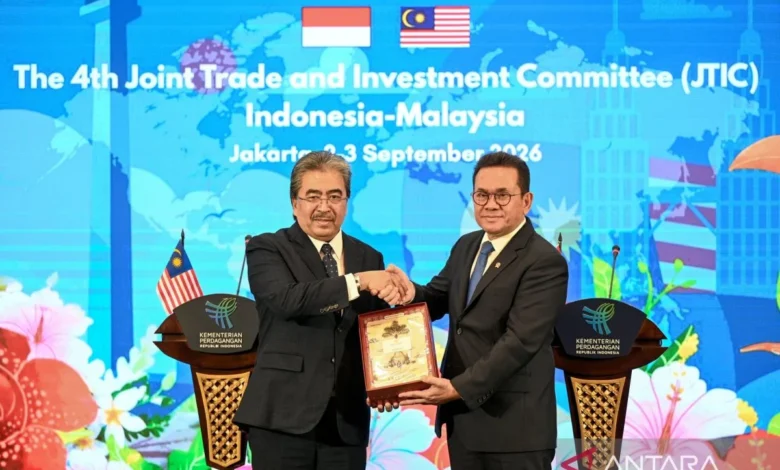
Bilateral cooperation serves as the fundamental architecture of international relations, acting as a structured mechanism through which two sovereign nations pursue shared objectives, mitigate risks, and foster mutual growth. In an increasingly interconnected global landscape, the ability of a nation to cultivate robust bilateral ties is a critical indicator of its diplomatic efficacy and economic resilience. For Indonesia, a nation positioned at the heart of the Indo-Pacific, bilateral diplomacy is not merely an optional engagement but a strategic imperative that supports the fulfillment of its national interests across sectors ranging from economic development and national security to technological advancement and human resource optimization.
As of August 2025, the Indonesian Ministry of Foreign Affairs reports that the nation maintains formal bilateral partnerships with 162 countries and one special territory. This extensive network underscores Indonesia’s commitment to a "free and active" (bebas dan aktif) foreign policy, which prioritizes constructive engagement with diverse partners across various global regions.
Defining the Scope and Mechanism of Bilateral Relations
At its core, a bilateral relationship is defined by a direct, two-way interaction between sovereign entities. Unlike multilateralism—which involves complex negotiations among numerous states within international organizations like the United Nations, ASEAN, or the G20—bilateralism offers a more agile framework. It allows for tailored agreements, such as Memorandums of Understanding (MoUs), strategic partnerships, and formalized government-to-government (G2G) dialogues, which can be customized to address the specific needs of the participating nations.
The versatility of these agreements is a defining characteristic of modern diplomacy. These arrangements can take the form of Comprehensive Strategic Partnerships (CSP), which cover a wide range of issues, or more focused sectoral agreements involving trade, defense, or scientific research. By narrowing the scope to two parties, states can achieve greater precision in policy implementation and accountability.
The Strategic Objectives of Bilateral Engagement
The pursuit of bilateral cooperation is driven by a multifaceted set of objectives, each designed to bolster a nation’s internal capabilities and external influence.
1. Diplomatic Strengthening and Communication
The primary function of bilateralism is the establishment of stable political channels. Maintaining open lines of communication ensures that when geopolitical tensions arise, there is an established framework for de-escalation and negotiation. Regular diplomatic exchange builds the "trust capital" necessary for deeper cooperation.
2. Economic Prosperity and Market Access
In an era of global economic volatility, bilateral trade agreements are vital. These deals serve to reduce tariff barriers, harmonize regulatory standards, and facilitate foreign direct investment (FDI). For a developing economy like Indonesia, bilateral investment treaties provide the legal protections necessary to attract capital for infrastructure and industrialization projects.
3. Human Capital Development
Knowledge transfer is a cornerstone of contemporary bilateralism. Through scholarship programs, professional training, and joint academic research, nations can improve the quality of their labor forces. This often manifests in the form of vocational training partnerships, where a technologically advanced nation assists a developing partner in upgrading its technical capabilities.
4. Technological Innovation and Transfer
In sectors like renewable energy, digital transformation, and healthcare, bilateral partnerships allow for the sharing of best practices and technology. By engaging in joint research and development, nations can pool resources to address universal challenges such as climate change or pandemic preparedness.
5. Regional and National Security
Security cooperation involves collaborative efforts to manage transnational threats, including terrorism, human trafficking, and cybercrime. Furthermore, bilateral maritime and border management agreements are essential for maintaining sovereignty and regional stability, particularly in a nation as geographically complex as the Indonesian archipelago.
6. Socio-Cultural Integration
Cultural diplomacy—ranging from arts exchange and language training to tourism promotion—fosters "people-to-people" connections. This social dimension is critical for long-term stability, as it cultivates mutual understanding and reduces the risk of xenophobia or cultural friction between populations.
Case Studies: The Evolving Nature of Indonesia’s Partnerships
Indonesia’s diplomatic portfolio provides a compelling look at how these partnerships evolve to meet changing global demands.
The Indonesia-Netherlands Partnership
The bilateral relationship between Indonesia and the Netherlands has transitioned from a historical legacy to a modern, future-oriented partnership. Current cooperation focuses on sustainable economic development, with significant emphasis on circular economy practices, water management, and the energy transition. By leveraging Dutch expertise in engineering and technology, Indonesia seeks to accelerate its transition toward a greener economy, demonstrating how historical partners can redefine their ties through the lens of contemporary sustainability goals.
The Indonesia-Papua New Guinea Dialogue
Proximity dictates a unique form of bilateralism for Indonesia and Papua New Guinea. Since 2022, the two nations have institutionalized the Annual Leaders’ Dialogue, a high-level forum designed to manage border security, trade, and regional cooperation. This mechanism is supplemented by Joint Ministerial Commissions and Senior Officials’ Meetings, which ensure that operational-level challenges, such as logistics and border administration, are handled with consistent high-level political oversight.
Comparative Analysis: Bilateralism vs. Multilateralism
While bilateral and multilateral approaches are often discussed as separate categories, in practice, they are highly complementary. A nation’s bilateral efforts often serve to reinforce its multilateral agenda.
For instance, Indonesia’s bilateral discussions with individual ASEAN member states provide the necessary groundwork for consensus-building within the larger ASEAN bloc. Conversely, the rules established at the multilateral level—such as World Trade Organization (WTO) standards—provide the framework within which bilateral trade deals are negotiated.
The distinction lies primarily in the efficiency of the engagement. Bilateralism provides the speed and customization required to address immediate national needs, while multilateralism provides the legitimacy and scale required to address global public goods. A sophisticated foreign policy, such as that practiced by the Indonesian Ministry of Foreign Affairs, utilizes both simultaneously: engaging in large-scale regional security architecture while negotiating specific, bilateral technological transfer agreements with key partners like Japan, the United States, or India.
Historical Context and Evolution
The evolution of bilateralism reflects the broader trends in global governance. In the post-World War II era, bilateralism was often characterized by patron-client relationships or post-colonial reconstruction efforts. However, the 21st century has shifted the paradigm toward "interdependence."
In the 1990s and early 2000s, Indonesia’s bilateral focus was heavily centered on development assistance and basic trade. Following the 2008 global financial crisis and the subsequent rise of the digital economy, the scope of these agreements expanded to include complex areas such as digital trade governance, cybersecurity, and green finance. The 2025 data indicating 162 active bilateral relationships reflects this expansion, as Indonesia has actively sought partners beyond traditional markets to diversify its economic dependencies.
Implications for Future Policy
The proliferation of bilateral agreements suggests that the future of international relations will be defined by "minilateralism"—smaller, more effective groups or direct two-way ties that can navigate the gridlock often found in larger international forums. For Indonesia, the implications are clear:
- Agility is Paramount: The ability to negotiate swiftly and effectively will be the defining trait of successful diplomacy.
- Specialization: Future bilateral agreements will likely be increasingly technical, focusing on narrow sectors such as artificial intelligence, critical mineral supply chains, and climate finance.
- Internal Coordination: Effective bilateralism requires a whole-of-government approach. The Ministry of Foreign Affairs must work in tandem with ministries of trade, defense, education, and technology to ensure that agreements are not just signed, but implemented effectively.
Conclusion
Bilateral cooperation remains the bedrock of Indonesia’s international strategy. By maintaining a network of 162 partners, Indonesia has successfully positioned itself as a bridge-builder in global affairs. Whether through the structured annual dialogues with neighboring Papua New Guinea or the sustainability-focused partnerships with European nations, these bilateral ties provide the concrete results necessary to protect national interests in an unpredictable world.
As the global order faces the dual pressures of economic fragmentation and geopolitical rivalry, the importance of these direct, bilateral connections only increases. By prioritizing shared goals and mutual respect, Indonesia continues to demonstrate that the most effective path to national progress is through the consistent, deliberate, and strategic cultivation of relationships with the rest of the world. Through these mechanisms, Indonesia does not merely react to global change; it actively shapes the environment in which it seeks to thrive, ensuring that its diplomatic efforts translate into tangible benefits for its citizens and its long-term national development.
Related posts: