The Pokemon Company Unites Global Pop Culture with Indonesian Heritage through Innovative Wayang Collaboration

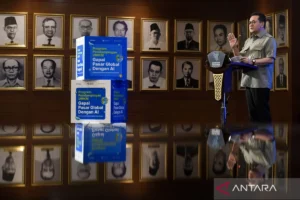
The Pokemon Company has officially unveiled a landmark initiative aimed at bridging the gap between global pop culture and Indonesian tradition through a strategic partnership with the art of Wayang. Announced during the Future Plans for Indonesia 2026-2027 conference held at the St. Regis in Jakarta on September 14, 2026, the collaboration seeks to introduce the Pokemon franchise to a new generation of Indonesian youth while simultaneously revitalizing interest in UNESCO-recognized intangible cultural heritage.
A Strategic Convergence of Media and Tradition
The announcement, led by Corporate Officer of The Pokemon Company, Susumu Fukunaga, marks a significant shift in the company’s regional strategy. By integrating Pokemon—one of the world’s most recognizable intellectual properties (IP)—with Wayang, a centuries-old Indonesian shadow puppetry tradition, the company aims to create a pedagogical and cultural bridge.
"We have initiated this collaboration with Wayang, which is one of the World Intangible Cultural Heritages registered by UNESCO and a source of immense pride for Indonesia," Fukunaga stated during the press conference. He emphasized that the initiative is the culmination of extensive discussions with three key Indonesian ministries, reflecting a concerted effort to align corporate goals with national cultural objectives.
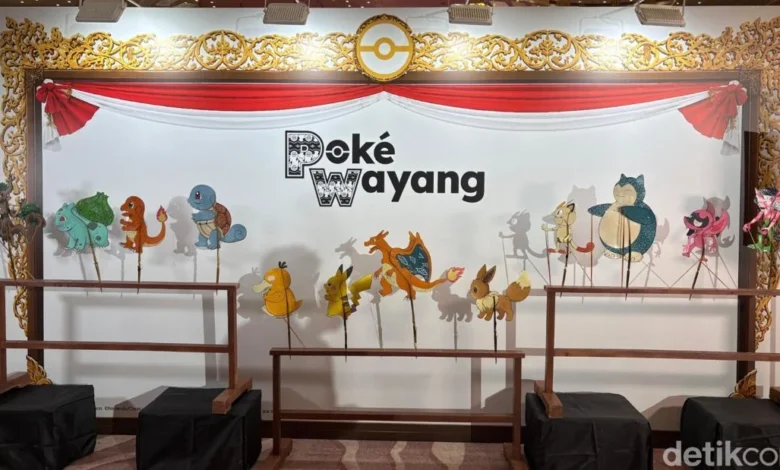
The initial public debut of this fusion, dubbed "Poke-Wayang," is scheduled for October 22 and 23, 2026, during the World Conference on Creative Economy (WCCE). This debut serves as the cornerstone of the company’s broader mission to educate Indonesian children about the Pokemon universe through the lens of local storytelling.
The Chronology of Engagement
The path to this collaboration did not occur in isolation. It follows a multi-year trend of major global entertainment companies seeking deeper integration into the Indonesian market by engaging with local creative economies.
- Q1 2026: Initial dialogues began between The Pokemon Company representatives and the Indonesian Ministry of Culture, focusing on the potential for "cultural cross-pollination."
- Q2 2026: Formal feasibility studies were conducted to ensure that the integration of digital characters into the traditional Wayang medium respected the sanctity and artistic integrity of the puppet craft.
- September 14, 2026: Official unveiling of the "Future Plans for Indonesia 2026-2027" strategy at the St. Regis, Jakarta, confirming the WCCE debut.
- October 22-23, 2026: Scheduled inaugural public performance of the Wayang-Pokemon hybrid at the World Conference on Creative Economy.
Official Perspectives and Government Alignment
The Indonesian government has embraced the initiative as a modern interpretation of the constitutional mandate to preserve national culture. Minister of Culture Fadli Zon underscored the significance of the partnership, noting that it aligns with Article 32, Paragraph 1 of the 1945 Constitution, which tasks the state with advancing national culture within the global civilization.
"Wayang is a medium that is highly accessible to the Indonesian public," Fadli Zon remarked. "It is a vessel for moral, humanitarian, and ethical lessons. By collaborating with a globally recognized IP like Pokemon, we are not just digitizing culture; we are ensuring that these traditional narratives remain relevant to the younger generation who are digital natives."
Fadli noted that the Ministry of Culture is actively supporting the project as part of a broader strategy that also encompasses the promotion and preservation of batik. The objective is to create a sustainable ecosystem where cultural arts are not merely preserved in museums but are integrated into the modern creative economy.
Economic Implications and Creative Synergy
The involvement of the Ministry of Creative Economy signals that this project is viewed as an economic driver as much as a cultural one. Deputy Minister of Creative Economy, Irene Umar, highlighted the potential for the collaboration to stimulate the local economy, particularly for traditional puppeteers (Dalang) and local artisans.
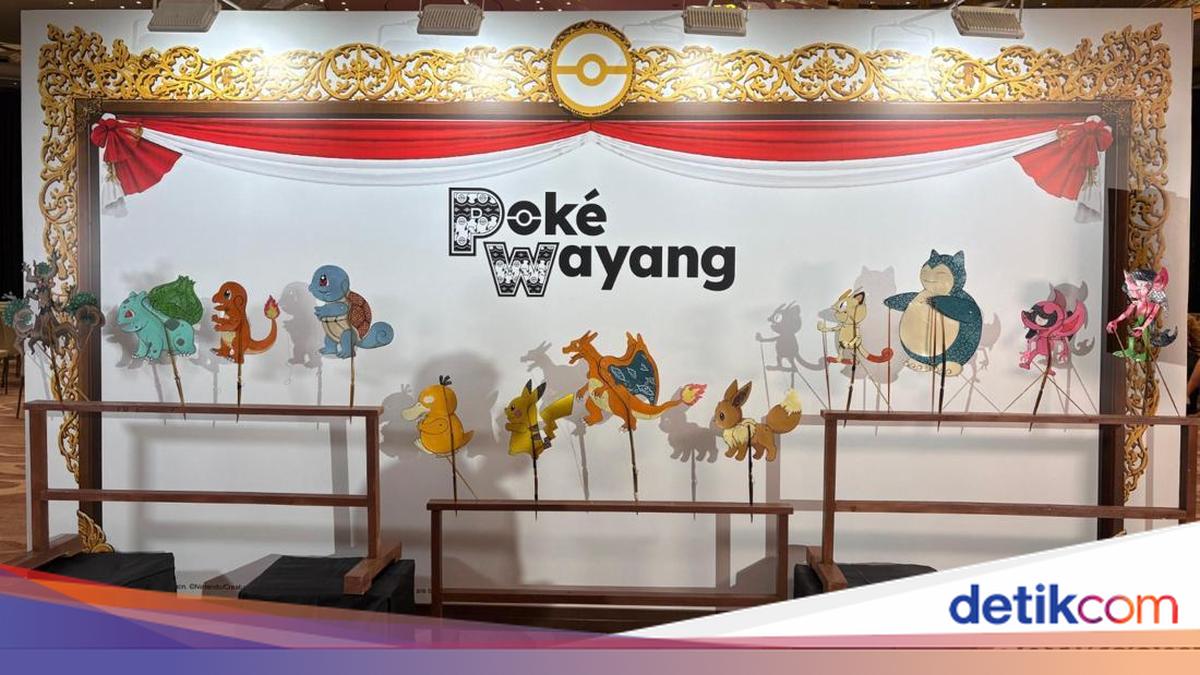
"The impact is three-fold," Umar explained. "First, it elevates the status of the individual puppeteer. Second, it expands the audience reach for Wayang. Third, it opens doors for ancillary creative products, including musical scores and digital media, which effectively circulate capital within the creative sector."
The inclusion of original music and collaborative multimedia elements is intended to move the project beyond a static performance piece. By incorporating contemporary soundscapes into traditional storytelling, the government hopes to create a blueprint for how other Indonesian cultural assets can be "packaged" for global consumption without losing their authentic roots.
Analysis: Bridging the Generational Divide
From a cultural management perspective, the Poke-Wayang initiative represents a "glocalization" strategy. While Pokemon is a Japanese export, the methodology of presenting it through Wayang forces a synthesis that necessitates local participation.
Critics and sociologists have often noted that the rapid digitalization of Indonesian society has led to a decline in the engagement of youth with traditional performing arts. By meeting children where they are—through the medium of globally popular animation and gaming—The Pokemon Company and the Indonesian government are attempting to mitigate this decline.
However, the success of this project will depend on the sensitivity of the execution. Historically, attempts to modernize traditional art forms face the challenge of maintaining the "tuntunan" (guidance/teaching) aspect that Fadli Zon highlighted. If the Pokemon elements overshadow the cultural narrative, the project risks becoming a mere marketing vehicle rather than a cultural bridge.
Conversely, if the collaboration succeeds, it could serve as a model for other nations looking to revitalize dying arts. By leveraging the immense marketing reach of a multi-billion-dollar franchise, the Indonesian government is effectively "renting" the attention span of the youth, hoping to convert that interest into long-term appreciation for national heritage.
The Future of Creative Diplomacy
As the countdown to the World Conference on Creative Economy continues, all eyes are on how the "Poke-Wayang" performance will be received by the public. The collaboration is not a one-off event; it is slated as part of a multi-year plan extending through 2027.
The strategy includes:
- Educational Integration: Developing curriculum-friendly materials that use Pokemon-themed Wayang to teach history and morality.
- Artisanal Support: Providing grants and technical training to traditional puppet makers to create "Pokemon-style" puppets, ensuring that the labor market for traditional crafts is bolstered.
- Global Export: Exploring potential exhibitions of these unique puppets in international markets, effectively using the Pokemon brand as a trojan horse to introduce Indonesian shadow puppetry to the rest of the world.
The synthesis of the 21st-century digital powerhouse and the centuries-old traditional puppet theater is an ambitious experiment in cultural diplomacy. If successful, it will prove that the future of heritage preservation lies not in static conservation, but in active, collaborative evolution. For now, the stakeholders involved remain optimistic that this fusion will provide the necessary spark to keep Indonesian traditions vibrant, profitable, and, most importantly, beloved by the youth who will carry them into the next century.
Related posts: