Activision and Paramount Pictures Announce "Call of Duty" Film Set for June 30, 2028 Release

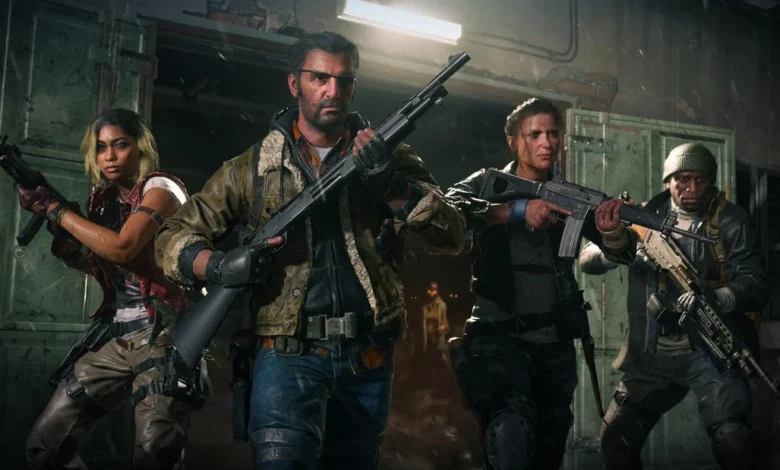
The highly anticipated cinematic adaptation of Activision’s globally renowned "Call of Duty" video game franchise has officially received its release date, with Activision confirming a theatrical debut on June 30, 2028. This significant announcement was made during a presentation at CinemaCon, the annual trade show for the motion picture industry, where studio executives gather to showcase their upcoming slate to theater owners. The reveal marks a pivotal moment for both the gaming and film industries, signaling a robust commitment to translating one of the most successful entertainment properties into a blockbuster movie experience.
A Deep Dive into the Announcement at CinemaCon
The news, disseminated on Monday, April 20, 2026, generated considerable buzz among attendees and industry observers. Rob Kotich, a prominent figure at Activision and a producer for the upcoming film, took center stage at CinemaCon to elaborate on the ambitious project. Kotich underscored Activision’s methodical approach to the adaptation, emphasizing that the studio would only proceed with a film if it could genuinely capture the essence and scale of the game series. "I told everyone that we would only make a movie if it was right," Kotich stated, highlighting the pursuit of a perfect creative synergy. He revealed that this crucial partnership was found with David Ellison, CEO of Paramount Pictures, a studio celebrated for its rich history and recent successes in crafting high-octane cinematic spectacles.
Kotich further articulated the vision for the film, stressing the importance of authenticity and human-level storytelling. "We want to ensure that its authenticity is captured on a human level so that it feels incredibly real and instills an epic scope within it," he explained. This commitment suggests a narrative approach that transcends mere action sequences, aiming for character depth and emotional resonance that mirrors the intense, often gritty, storytelling found within the game’s various campaigns. The ambition is clearly to deliver a "blockbuster experience" that will be unforgettable for both long-time fans and newcomers, offering an "inspiring spectacle" that broadens the franchise’s appeal beyond its established gaming audience.
Echoing Kotich’s sentiments, David Ellison, CEO of Paramount Pictures, reinforced the studio’s dedication to quality. Ellison drew a direct parallel to the studio’s recent critical and commercial triumph, "Top Gun: Maverick," which starred Tom Cruise and redefined modern action cinema. "I can promise that we are determined in our mission to deliver a cinematic experience that honors the legacy of this one-of-a-kind brand, thrilling long-time ‘Call of Duty’ fans while captivating a new generation," Ellison affirmed. This comparison sets a high bar, indicating that Paramount is investing significant resources and creative talent to ensure the "Call of Duty" film meets the rigorous standards of its most successful productions. The implied promise is a film that balances explosive action with compelling narrative, akin to the meticulously crafted aerial sequences and character arcs that defined "Top Gun: Maverick."
The Legacy of Call of Duty: From Pixels to the Big Screen
The "Call of Duty" franchise, launched by Activision in 2003, has grown into a global entertainment behemoth, consistently ranking among the best-selling video game series of all time. With over 400 million units sold across its myriad titles and generating tens of billions of dollars in revenue, the brand’s cultural footprint is undeniable. Known for its immersive first-person shooter gameplay, historical and modern warfare narratives, and groundbreaking multiplayer experiences, "Call of Duty" has captivated generations of players. Its iconic status stems from a blend of adrenaline-pumping action, intricate weapon mechanics, and often mature, thought-provoking storylines that delve into the complexities of conflict.
Adapting such a colossal and beloved franchise for the silver screen presents both immense opportunity and significant challenges. The history of video game adaptations in Hollywood is fraught with both critical misfires and unexpected successes. For decades, the industry struggled to translate interactive experiences into passive cinematic narratives, often resulting in films that alienated both gamers and general audiences. Early attempts, such as the 1993 "Super Mario Bros." movie, were largely panned, setting a precedent of skepticism. However, recent years have witnessed a paradigm shift, with films like "Sonic the Hedgehog" (2020), "Detective Pikachu" (2019), and particularly "The Super Mario Bros. Movie" (2023) achieving significant box office success and demonstrating a growing understanding of how to respect source material while creating compelling cinema.
The original article makes a forward-looking reference to a hypothetical "Super Mario Galaxy" film becoming the highest-grossing film of 2026, surpassing "Project Hail Mary" despite critical reception. This hypothetical success underscores the changing landscape and the immense commercial potential of well-executed video game adaptations. It also highlights a critical distinction: while "Super Mario Galaxy" would likely target a family-friendly audience, the "Call of Duty" film is poised to cater to an older demographic, aligning with the mature themes and intense action characteristic of its gaming counterpart. This differentiation allows for varied approaches to storytelling, marketing, and overall tone, potentially carving out a distinct niche within the burgeoning genre of game-to-film adaptations.
The Activision-Paramount Partnership: A Strategic Alliance
The collaboration between Activision and Paramount Pictures is a strategic masterstroke designed to leverage the strengths of both entities. Activision brings an unparalleled intellectual property, a built-in global fanbase, and a deep understanding of the "Call of Duty" universe. Paramount, on the other hand, contributes its extensive filmmaking expertise, robust production capabilities, and a global distribution network. This synergy is crucial for navigating the complexities of a large-scale action film.
The choice of Paramount, a studio with a track record of producing visually stunning and narratively engaging action films, is particularly telling. Beyond "Top Gun: Maverick," Paramount has been responsible for other successful action franchises like "Mission: Impossible," demonstrating a consistent ability to deliver high-quality, high-octane entertainment. This experience will be invaluable in crafting the intricate action sequences, realistic combat scenarios, and immersive environments that "Call of Duty" fans expect. The studio’s commitment, as articulated by David Ellison, suggests a willingness to invest heavily in top-tier talent, both behind and in front of the camera, to ensure the film’s success. While specific directors, writers, or cast members have not yet been announced, the ambition points towards seeking individuals capable of delivering a cinematic experience on par with the franchise’s legendary status. This could involve acclaimed action directors, screenwriters adept at military thrillers, and a cast capable of portraying the complex psychological and physical demands of soldiers in conflict.
Broader Implications and the Competitive Landscape
The announcement of the "Call of Duty" film’s release date comes amidst a golden age for video game adaptations. Beyond the aforementioned films, the streaming landscape has seen immense success with series like Netflix’s "Arcane" (based on "League of Legends"), HBO’s "The Last of Us," and Amazon Prime Video’s "Fallout." These adaptations have not only garnered critical acclaim but have also significantly expanded their respective game franchises’ reach, attracting new players and deepening engagement with existing fans. This trend indicates a growing maturity in how Hollywood approaches video game IP, moving beyond direct plot translations to focus on capturing the spirit and thematic depth of the source material.
The "Call of Duty" film will enter a crowded but receptive market. Its June 2028 release positions it as a tentpole summer blockbuster, a slot traditionally reserved for major action franchises and event films. This timing suggests confidence from both Activision and Paramount in the film’s ability to draw massive audiences globally. The potential for cross-promotional opportunities between the film and future "Call of Duty" game releases is immense, creating a symbiotic relationship that can mutually enhance the visibility and profitability of both media forms. A successful film could introduce the "Call of Duty" universe to a completely new demographic, while ongoing game releases can keep the brand fresh and relevant leading up to and following the movie’s debut.
Economically, a successful "Call of Duty" film could generate hundreds of millions, if not a billion dollars, at the global box office, further cementing Activision’s position as a multimedia powerhouse. It also signifies a broader trend in the entertainment industry where intellectual property is increasingly seen as fluid, capable of transcending traditional media boundaries. The convergence of gaming, film, and television is creating a rich ecosystem where narratives and characters can be explored across multiple platforms, maximizing their cultural and financial impact.
Fan Expectations and the Road Ahead
The "Call of Duty" fanbase is known for its passion and discerning tastes. Expectations for a film adaptation are incredibly high, and the project will undoubtedly be scrutinized by millions of dedicated players worldwide. The commitment to "authenticity" and "epic scope" articulated by Kotich and Ellison is crucial for assuaging any skepticism. Fans will be looking for a film that respects the intricate lore, the visceral combat, and the often morally ambiguous narratives that define the games. The challenge will be to translate the interactive thrill of gameplay into a compelling, linear cinematic experience without sacrificing the core elements that have made the franchise so beloved.
The success of the "Call of Duty" film will likely be measured not only by its box office performance but also by its critical reception and, most importantly, the satisfaction of its global fanbase. Can it join the ranks of "Top Gun: Maverick" in delivering a critically acclaimed, high-octane cinematic experience? Will it captivate new audiences while honoring the legacy of a two-decade-old gaming phenomenon? These questions will remain central as the film moves through its production phases over the next two years. For now, the announcement of a definitive release date provides a tangible milestone for fans and industry watchers alike, marking the official countdown to what promises to be one of the most significant video game adaptations in cinematic history. The journey from a console screen to the silver screen is well underway, with June 30, 2028, circled on calendars worldwide.
Related posts: