Massive Fire Destroys One Thousand Homes in Sandakan Floating Village Displacing Thousands of Residents and Indonesian Nationals

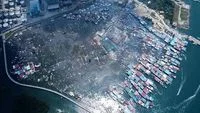
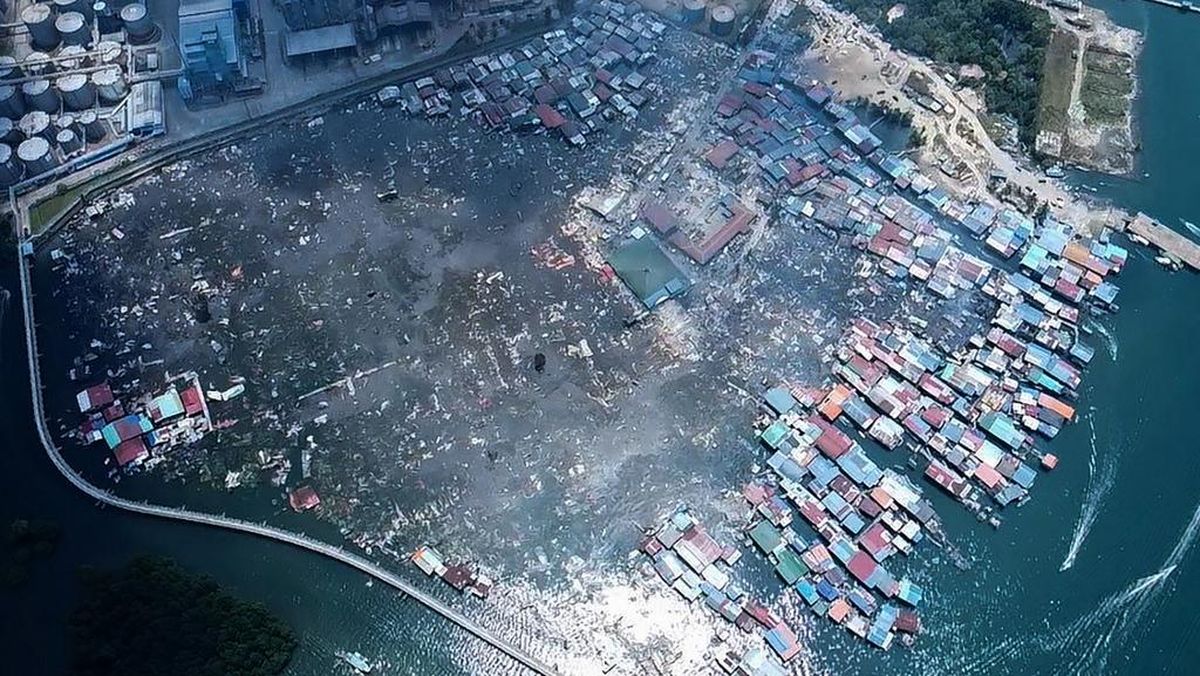
A catastrophic fire swept through a sprawling coastal settlement in Sandakan, Sabah, in the early hours of Sunday, April 19, leaving an estimated 1,000 homes in ruins and displacing over 9,000 people. The incident occurred in a high-density "water village" known as Kampung Bahagia, a settlement primarily composed of wooden structures built on stilts over the sea. The fire, which broke out during the dead of night, has been described by local authorities as one of the most significant and heartbreaking disasters to hit the region in recent years, highlighting the extreme vulnerability of coastal informal settlements to rapid-onset fires.
The disaster began approximately at 1:30 AM local time (17:30 GMT Saturday) on the northeastern coast of Sabah. According to the Sabah Fire and Rescue Department, the flames spread with terrifying speed across a 10-acre area, fueled by high winds and the combustible nature of the building materials. By the time emergency services were able to bring the situation under control, the settlement was essentially leveled, with officials reporting a near 100 percent destruction rate of the affected housing units.
Chronology of the Disaster and Emergency Response
The first distress calls reached the Sandakan fire station shortly after 1:30 AM. Recognizing the potential for a large-scale catastrophe given the density of Kampung Bahagia, the Sabah Fire and Rescue Department immediately mobilized 37 personnel from two different stations. However, upon arrival, the firefighting teams faced a series of logistical nightmares that severely hampered their ability to contain the inferno.
The primary obstacle was the geographic layout of the village itself. As a traditional "kampung air" (water village), the settlement is connected by a network of narrow wooden boardwalks and jetties that were never designed to accommodate heavy emergency vehicles. Fire trucks were unable to navigate the cramped access paths, forcing personnel to attempt to run long hoses from the main road or seek alternative water sources.
Compounding the lack of vehicular access was the state of the tide. At the time the fire peaked, the tide was receding. In water village fires, firefighters often rely on the surrounding seawater as an infinite source for their pumps. With the water levels low and the shoreline retreating, getting a consistent and powerful suction of water became an uphill battle. Strong coastal winds further exacerbated the crisis, acting as a bellows that pushed the flames across the tightly packed rooftops faster than the ground crews could move.
Despite these harrowing conditions, the fire and rescue teams worked through the night to prevent the flames from jumping to adjacent neighborhoods. It was not until several hours later that the situation was declared safe. Remarkably, despite the total loss of approximately 1,000 structures, no fatalities or serious injuries were reported in the immediate aftermath, though many residents suffered minor injuries and respiratory distress while attempting to salvage their belongings.
Demographics and the Socioeconomic Context of Kampung Bahagia
Kampung Bahagia is more than just a residential area; it is a complex social ecosystem that houses some of the most marginalized communities in Malaysia. According to reports from The Star, the settlement is home to a mix of indigenous peoples, local Malaysians living below the poverty line, and a significant population of stateless individuals and foreign nationals.
The Sandakan District Police Chief, George Abd Rakman, noted that the fire has directly impacted 9,007 residents. The scale of the displacement presents a massive humanitarian challenge for the state of Sabah. Many of those living in Kampung Bahagia work in the informal economy, including fishing and small-scale trade, and have lost not only their homes but their entire livelihoods and identification documents.
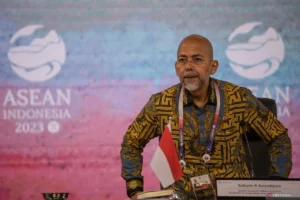
The presence of a large Indonesian community in the village has also drawn international attention. Heni Hamidah, the Director for the Protection of Indonesian Citizens at the Ministry of Foreign Affairs (Kemlu), confirmed on Monday that Kampung Bahagia is a primary residence for many Indonesian nationals (WNI). While the majority of the residents are Malaysian or Filipino, a significant portion consists of Indonesians who have lived in the area for decades, often marrying local citizens.
Heni Hamidah stated that while there have been no reported deaths among the Indonesian community, several individuals are currently receiving hospital treatment for minor injuries sustained during the chaotic evacuation. The Indonesian Consulate General (KJRI) in Kota Kinabalu has been dispatched to coordinate with local authorities to ensure that their citizens are included in the relief efforts and to assist those who lost their passports and legal documents in the fire.
National and International Official Responses
The scale of the Sandakan fire prompted an immediate response from the highest levels of the Malaysian government. Prime Minister Anwar Ibrahim took to social media to express his condolences and to outline the federal government’s plan for intervention. He emphasized that the federal administration is working in close coordination with the Sabah state authorities to provide emergency shelter and immediate financial aid to the victims.
"The current priority is the safety of the victims and emergency assistance on the ground," Prime Minister Anwar stated. He directed relevant agencies, including the National Disaster Management Agency (NADMA), to expedite the distribution of food, clothing, and medical supplies.
In Indonesia, the Ministry of Foreign Affairs has made the Sandakan fire a priority for its regional consulate. The KJRI in Kota Kinabalu is currently conducting a door-to-door (or tent-to-tent) assessment at the various Temporary Shelter Sites (PPS) established by the Sandakan authorities. The ministry’s focus is twofold: ensuring the physical well-being of the affected WNI and facilitating the replacement of essential immigration documents. For many migrant workers and their families, the loss of a passport can lead to severe legal complications, making the KJRI’s role in "re-documenting" the victims a critical part of the recovery process.
The Recurring Threat to Sabah’s Water Villages
The tragedy at Kampung Bahagia is not an isolated incident but rather the latest in a long history of devastating fires in Sabah’s coastal settlements. These water villages, while culturally significant and economically vital for the fishing industry, are frequently cited by urban planners as high-risk zones.
There are several factors that contribute to this recurring danger:
- Combustible Materials: Most homes are constructed entirely of timber and plywood, often treated with oils or paints that catch fire easily.
- Proximity: Houses are built inches apart, allowing fire to spread via radiant heat even without direct flame contact.
- Electrical Safety: In many informal settlements, electrical wiring is improvised or overloaded, leading to short circuits which are often the primary cause of such blazes.
- Lack of Infrastructure: The absence of fire hydrants and the difficulty of access for modern firefighting equipment mean that once a fire starts, it is rarely contained before significant damage occurs.
Urban development experts suggest that the solution is not simply to rebuild but to rethink the architecture of these communities. However, the socioeconomic reality is that many residents cannot afford to move to safer, modern housing. This creates a cycle of vulnerability where residents rebuild in the same hazardous manner, only to face the same risks years later.
Broader Implications and the Path to Recovery
The immediate aftermath of the Sandakan fire focuses on survival, but the long-term implications are far-reaching. The displacement of 9,000 people will put a significant strain on Sabah’s social services. There are also diplomatic layers to the recovery, as the Malaysian government must navigate the status of the stateless and foreign residents who have been affected.
For the Indonesian government, the incident underscores the importance of the protection of citizens abroad, particularly those in vulnerable housing situations. Heni Hamidah’s call for families in Indonesia to remain calm while waiting for official data reflects the government’s effort to manage the flow of information and prevent panic among the relatives of migrant workers.
As the smoke clears over Sandakan, the focus shifts to the Temporary Shelter Sites. These centers are currently providing the basics of life—water, food, and a place to sleep—but they are not a permanent solution. The government of Sabah faces the daunting task of deciding whether to allow the reconstruction of Kampung Bahagia or to seek a more permanent, safer housing solution for the thousands of people who now have nothing but the clothes on their backs.
In the coming weeks, the investigation into the exact cause of the fire will continue. Regardless of the spark that started it, the tragedy serves as a grim reminder of the need for improved safety regulations and infrastructure in the coastal regions of Southeast Asia. For now, the community of Sandakan and the families of the affected Indonesian nationals remain in a state of mourning and uncertainty, waiting for the path forward to be cleared.