Understanding the Indicators of Secure Attachment and Emotional Comfort Between Children and Parents


The fundamental relationship between a child and their primary caregiver serves as the cornerstone of human development, influencing not only emotional regulation but also the cognitive processes through which a child interprets the external world. Developmental psychology posits that the quality of this early bond acts as a blueprint for future interpersonal relationships, social integration, and self-esteem. As children navigate their formative years, their behavioral cues provide significant insights into the security and comfort they derive from their parents. Identifying these indicators is essential for caregivers, educators, and pediatric health professionals seeking to foster a nurturing environment that supports optimal childhood development.
The Science of Attachment and Developmental Context
The concept of "attachment theory," pioneered by British psychologist John Bowlby in the mid-20th century, remains the gold standard for understanding parent-child dynamics. Bowlby’s research, later expanded by Mary Ainsworth through the "Strange Situation" procedure, demonstrated that children who possess a "secure attachment" are more likely to exhibit resilience in the face of stress. According to data from the American Psychological Association (APA), children with secure attachment styles are statistically more likely to demonstrate advanced problem-solving skills, higher emotional intelligence, and greater academic success as they transition into adolescence.
When a child’s environment is consistent, responsive, and nurturing, the brain’s neuroplasticity is positively influenced. Specifically, the amygdala—the region responsible for fear and stress responses—is better regulated when a child knows they have a reliable "secure base" to return to. Conversely, inconsistent or neglectful caregiving can trigger chronic activation of the stress response system, potentially leading to long-term behavioral and cognitive challenges.
Chronology of Emotional Development
The manifestation of comfort and security evolves as a child matures. In infancy, the timeline of attachment is characterized by "proximity-seeking" behaviors. By the age of six to nine months, infants typically begin to show clear preferences for primary caregivers, often displaying distress when separated (separation anxiety). This is a developmental milestone indicating that the child has successfully mapped their caregiver as a source of protection.
As children reach the toddler years (ages 1 to 3), the focus shifts toward "social referencing." In this phase, a child will look to their parent’s facial expressions or verbal cues to determine if a novel situation is safe. By preschool age (ages 3 to 5), the communication of security becomes more sophisticated, moving from non-verbal cues to complex emotional expression and verbalized affection. Understanding this timeline is crucial for parents, as it helps distinguish between typical developmental behaviors and potential signals of underlying emotional distress.
Key Indicators of Secure Attachment
While every child expresses comfort differently, psychologists have identified several universal behavioral markers that signify a healthy, secure bond between a child and their parent.
1. Spontaneous Expression of Affection
One of the most immediate indicators of a secure bond is the child’s initiative in expressing love. Whether it is a hug, a verbal "I love you," or the simple act of sitting in close proximity, these actions are driven by the child’s internal sense of safety. According to clinical observations, children who feel secure in their environment are more likely to seek physical touch without being prompted. This spontaneity serves as an emotional feedback loop, reinforcing the strength of the bond.
2. Social Referencing in Novel Situations
As noted by clinical psychologist Michael Mintz, the tendency for a child to look to a parent when encountering a stranger or a new environment is not a sign of fear, but a sign of trust. This "social referencing" is a sophisticated cognitive tool where the child treats the parent as a consultant. When a parent provides a calm, reassuring response, the child learns to regulate their own anxiety, effectively absorbing the parent’s emotional state to stabilize their own.
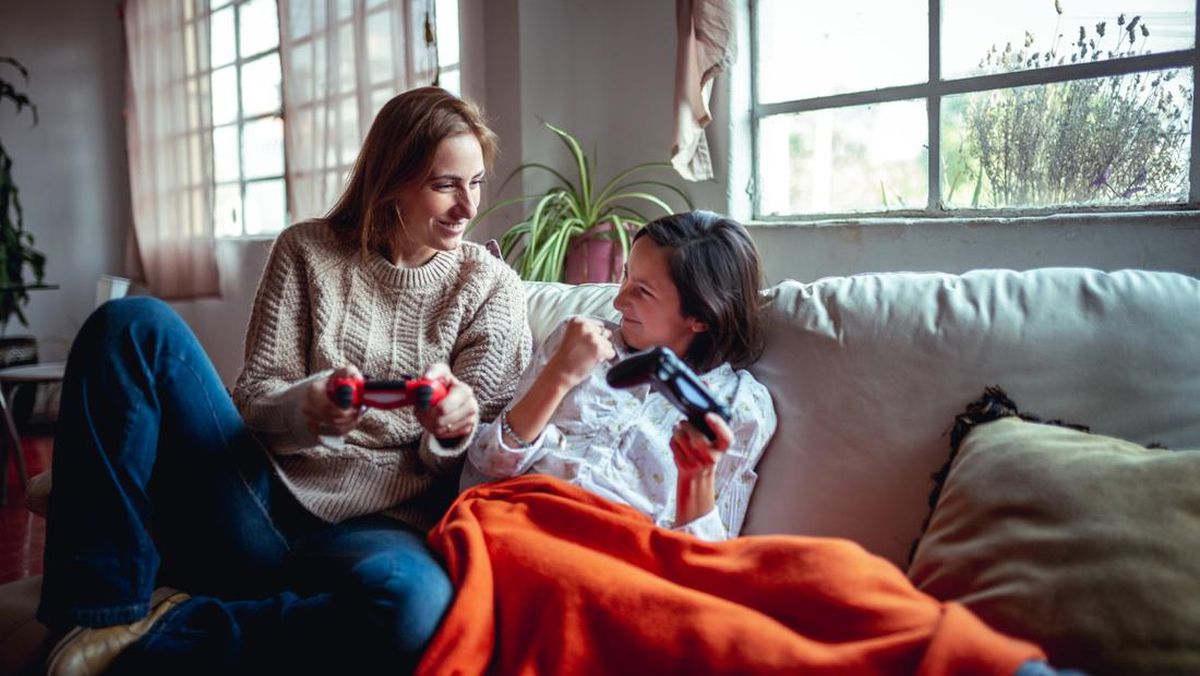
3. Proactive Conflict Resolution and Comfort Seeking
A primary feature of secure attachment is the child’s reaction to distress. When a child is injured, frightened, or emotionally overwhelmed, their immediate impulse to seek out the parent indicates a high level of trust. This behavior suggests the child views the parent as a reliable source of relief. If a parent consistently responds with empathy and support, it builds what researchers call "secure base" confidence, which allows the child to venture out and explore the world with the assurance that they have a safe harbor to return to.
4. Sharing of Personal Experiences
As children develop language skills, their desire to share the mundane details of their day—their interests, school activities, or observations—serves as a bridge for connection. Research indicates that active listening by parents during these moments is a critical factor in long-term parent-child communication. By validating the child’s experiences, parents foster a sense of being "heard," which is foundational to the development of self-worth.
5. The Role of Gift-Giving and Creative Expression
The act of creating drawings, crafts, or sharing small items is a significant, albeit often overlooked, marker of attachment. To a child, these items represent a piece of their inner world. When a child presents a creation to their parent, they are testing the parent’s interest in their perspective. A positive, attentive reception of these gifts validates the child’s identity and encourages continued open communication.
Implications for Long-Term Behavioral Outcomes
The implications of fostering this secure bond extend well beyond the household. Longitudinal studies conducted by the National Institutes of Health (NIH) suggest that individuals who experienced secure attachment in early childhood report better mental health outcomes in adulthood, including lower rates of depression and anxiety. Furthermore, these individuals often demonstrate higher levels of empathy and interpersonal efficacy, as they have learned how to negotiate boundaries and offer support to others based on the model established by their parents.
From a sociological perspective, families that prioritize emotional security tend to exhibit better cohesion during periods of external crisis. When children feel safe expressing their vulnerabilities, the household becomes a collaborative unit, reducing the likelihood of maladaptive behaviors such as emotional suppression or extreme defiance.
Official Guidance and Professional Recommendations
Pediatric experts emphasize that "warmth" is the single most important variable in parenting. Warmth, in this context, refers to a combination of physical affection, attentive listening, and consistent emotional availability. The American Academy of Pediatrics (AAP) recommends that parents engage in "serve and return" interactions—where the parent responds to the child’s signals, whether they are sounds, gestures, or facial expressions, with a reciprocal action. This interaction builds the neural architecture of the child’s brain.
It is also important to note that perfection is not required. The concept of the "good-enough parent," introduced by pediatrician Donald Winnicott, suggests that children do not require constant, flawless attention. Rather, they require a parent who is generally attuned to their needs and who can effectively "repair" the relationship after inevitable misunderstandings or moments of frustration. This process of rupture and repair is, in itself, a teaching tool that helps children understand that relationships are resilient and that conflict can be resolved constructively.
Conclusion: Nurturing the Future
The relationship between a child and their parent is a dynamic, evolving process that requires patience, observation, and intentionality. By recognizing the signs of comfort—such as proactive affection, the tendency to seek guidance in new situations, and the willingness to share personal experiences—parents can better understand their child’s internal landscape.
Ultimately, the goal of fostering this comfort is to provide the child with the emotional tools necessary for independence. A secure attachment does not hold a child back; rather, it provides the necessary launchpad for them to explore, learn, and grow. As society continues to face rapid technological and social changes, the stability offered by a secure parent-child relationship remains the most reliable predictor of a child’s ability to thrive in an increasingly complex world. Parents who remain attuned to these subtle behavioral cues are not merely nurturing a child; they are building the foundation for a healthy, well-adjusted, and resilient future citizen.
Related posts: