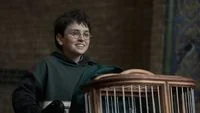
The highly anticipated television adaptation of the Harry Potter series is facing significant production challenges, with crew members describing the filming process as "brutal" due to an extremely accelerated schedule. This intense pace is primarily driven by the logistical complexities of working with young actors who must balance their on-set education with demanding filming requirements. Cinematographer Adriano Goldman has shed light on the gruelling nature of the production, revealing the extraordinary measures taken to adhere to strict timelines dictated by child labor laws and the actors’ academic commitments.
The Demands of Child Actor Scheduling
Goldman explained in an interview with Variety that the accelerated shooting schedule is a direct consequence of the limited availability of the young cast members. "You have to shoot very quickly, and the faster you shoot, the more quality is sacrificed," he stated, highlighting the unavoidable trade-offs. "There’s no other way, is there?" This sentiment underscores the inherent difficulties in adapting a beloved franchise that heavily features child protagonists, where the welfare and education of these young performers are paramount.
The practical implications of this tight schedule are stark. The production must operate with unparalleled efficiency. Goldman elaborated on the methodology, noting, "Clearly, we have a lot of resources, but it’s brutal. The children’s screen time is brutal. So the methodology is very specific. You practically have to pre-shoot all the scenes when they are in class." This pre-production strategy involves meticulously planning and executing scenes in advance, often without the actors present, to maximize the limited time they are on set.
A Glimpse into the Grueling Daily Grind
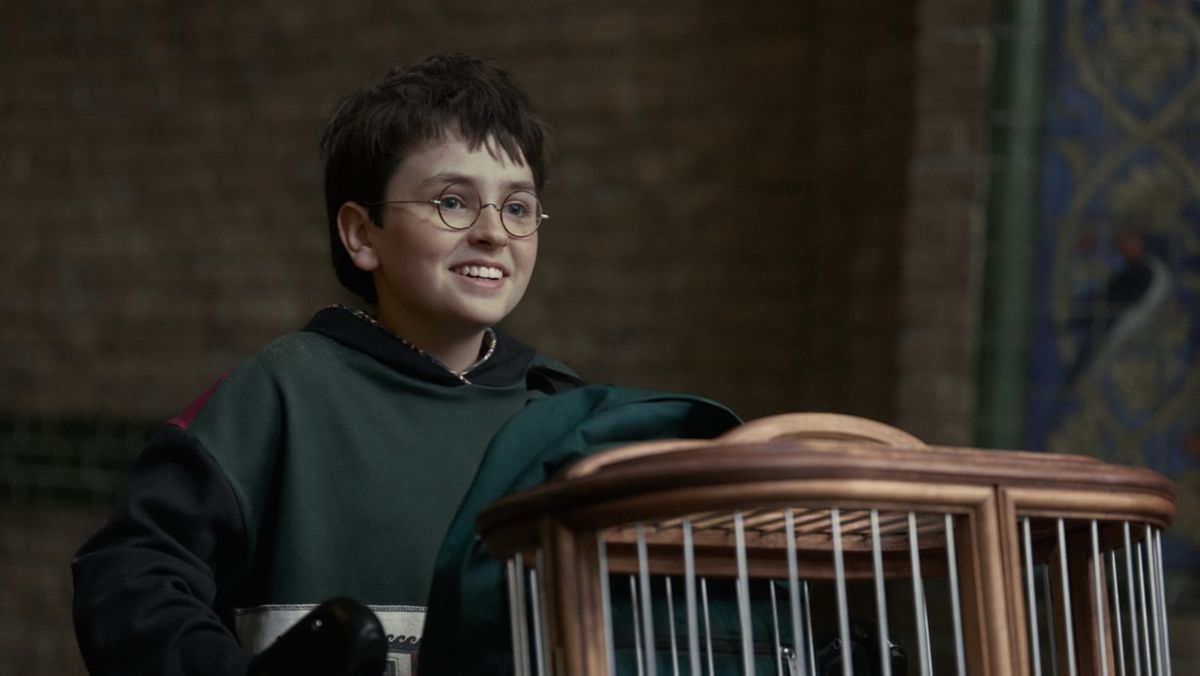
The scale of the challenge is illustrated by the limited time the principal young actors—Dominic McLaughlin as Harry Potter, Alastair Stout as Ron Weasley, and Arabella Stanton as Hermione Granger—can dedicate to filming. Goldman revealed that these key cast members are typically only available for "an hour and a half" at a time. During this brief window, Goldman and his team are tasked with executing "six setups." This means setting up and capturing footage for six different camera angles or shots within a mere 90 minutes, a feat that requires exceptional coordination and speed.
The non-linear nature of the filming, a common practice in television production but exacerbated by the actors’ schedules, adds another layer of complexity. "It’s very difficult; you shoot everything out of sequence, right, because of the scheduling like that," Goldman admitted. "So the process is very complicated, but I’ve done it before." His acknowledgment of prior experience suggests that while challenging, this is a scenario he and his team are equipped to handle, albeit with considerable strain.
Building a Hogwarts for Young Scholars
To accommodate the educational needs of the young cast, Warner Bros. Studios Leavesden, the production home for the Harry Potter series, took a significant step in July 2025. They established a temporary school on-site. This initiative reflects a commitment to ensuring that the actors’ academic progress is not compromised by their demanding roles. The creation of a dedicated educational facility on the studio lot underscores the production’s recognition of the unique challenges presented by filming with a young ensemble. This move aims to streamline the balance between education and filming, potentially offering some relief to the overall production stress, though the core issue of limited on-set time for the actors remains.
The Road Ahead: Season One and Beyond
The first season of the series, titled Harry Potter and the Philosopher’s Stone, mirroring the British edition of the inaugural book, will commence with Harry’s eleventh birthday. This pivotal moment marks the arrival of his acceptance letter to Hogwarts School of Witchcraft and Wizardry, setting in motion his extraordinary journey and his eventual confrontation with a dark past. The series is slated for a premiere around the Christmas holiday in 2026, a highly anticipated release for millions of fans worldwide.
Adding to the ambitious scope of the project, it has been confirmed that even before the first season airs, production is set to commence on the second season, Harry Potter and the Chamber of Secrets, in the autumn of 2026, specifically during the latter half of the year. This swift progression aligns with Warner Bros.’ overarching strategy to adapt all seven Harry Potter books into seven distinct seasons, a decade-long endeavor. This forward-thinking approach to greenlighting future seasons, even with the current season’s demanding production, signals strong confidence from the studio in the project’s potential and a commitment to delivering the full saga to audiences.
Supporting Data and Industry Context
The Harry Potter franchise, originating from J.K. Rowling’s seven-book series, has been a global phenomenon for over two decades. The original film adaptations, released between 2001 and 2011, grossed over $7.7 billion worldwide, making it one of the highest-grossing film franchises in history. The books have sold over 600 million copies globally, translated into 85 languages, testament to their enduring appeal. The decision to adapt the series into a television format was announced in April 2023, with a reported decade-long commitment from Warner Bros. Discovery to revisit the magical world.
The challenges faced by the production are not unique to this series. Filming with child actors is governed by strict regulations in most territories to protect their well-being and ensure they receive adequate education. For instance, in the United Kingdom, where the Harry Potter stories are set and where much of the filming for the original movies took place, child performers have limitations on the number of hours they can work per day and per week, with mandatory schooling hours integrated into their work schedules. These regulations, while essential, inherently create scheduling complexities for productions that rely heavily on young talent. The "brutal" pace described by Goldman is likely a direct result of the production’s efforts to maximize filming time within these legal constraints, leading to intense bursts of activity and a constant need for efficient planning and execution.
Broader Implications and Fan Expectations
The revelation of the "brutal" production pace inevitably raises questions about the quality and authenticity of the final product. While the crew’s dedication and the studio’s resources are considerable, the pressure to shoot quickly could potentially impact the nuanced character development and detailed world-building that fans have come to expect from the Harry Potter universe. However, the commitment to adapting all seven books over a decade suggests a long-term vision, allowing for a more deliberate and comprehensive storytelling approach than might be possible in a condensed film format.
The fan base, known for its deep engagement and high expectations, will be closely watching how the series unfolds. The "brutal" schedule may be a necessary evil to bring the complete story to life faithfully, but it underscores the immense effort and potential compromises involved. The success of this ambitious adaptation will hinge not only on the storytelling and performances but also on the production’s ability to navigate these inherent logistical hurdles without sacrificing the magic that has captivated audiences for generations. The extended timeline for adaptation, spanning a decade, offers a unique opportunity for a more in-depth exploration of the characters and the wizarding world, potentially compensating for the accelerated on-set shooting days.
The fact that Season 2 is already in the pipeline indicates a strong belief from Warner Bros. Discovery in the project’s viability and its potential to resonate with audiences over the long haul. This proactive approach to future seasons suggests a strategic long-term plan to capitalize on the enduring popularity of the Harry Potter brand. The "brutal" reality of production, as described by the crew, is a testament to the immense undertaking of bringing such a beloved and expansive narrative to the screen in a way that honors the source material while adhering to the practicalities of modern filmmaking. The success of this endeavor will be a key indicator of the studio’s strategy for revitalizing its most valuable intellectual properties for the streaming era.