Indonesia Modification and Lifestyle Expo 2026 Set to Showcase Automotive Excellence with Iconic Toyota Kijang Rover Supergiveaway

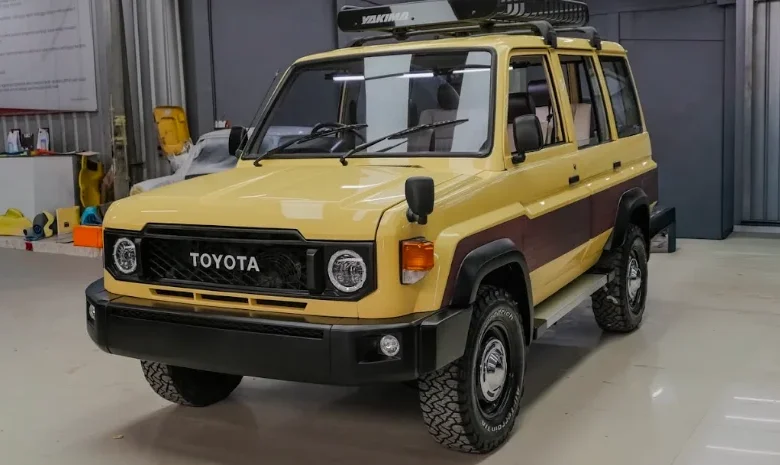
The automotive enthusiast community in Indonesia is preparing for one of the most anticipated events in the regional calendar, the Indonesia Modification & Lifestyle Expo (IMX) 2026. Scheduled to take place from October 9 to October 11, 2026, the event serves as the primary stage for local builders to demonstrate their craftsmanship, innovation, and technical prowess. This year, the expo elevates its prestige by unveiling an ambitious "Supergiveaway" project: a comprehensively restored and heavily modified 1991 Toyota Kijang Rover, a vehicle that resonates deeply with the cultural and historical fabric of the Indonesian automotive landscape.
A Legacy Reimagined: The Significance of the Toyota Kijang
The selection of the 1991 Toyota Kijang Rover as the foundation for the IMX 2026 Supergiveaway is a strategic decision that bridges generations. Often referred to as the "people’s car" of Indonesia, the Kijang platform has evolved through multiple iterations since its inception in the 1970s. By choosing the Rover model—a version that represents the peak of the boxy-era Kijang aesthetic—the organizers are tapping into a profound sense of nostalgia while challenging contemporary builders to push the boundaries of what is possible with vintage architecture.
Project Director of IMX, Andre Mulyadi, emphasized that the project is intended to highlight the evolution of the local tuning industry. "The IMX Supergiveaway GH Style Toyota Kijang is not merely a vehicle giveaway; it is a manifestation of the extraordinary collaboration between the nation’s best talents. We aim to prove that our local automotive heritage, when treated with modern engineering and creative ingenuity, can yield world-class results," Mulyadi stated.
Technical Mastery: The Anatomy of the GH Style Kijang
The transformation of this 1991 model has been a multi-disciplinary effort, involving some of the most prominent names in the Indonesian aftermarket scene. The project, dubbed the "GH Style" after the collaboration with influencer Gofar Hilman, serves as a masterclass in restomodding—a process that combines restoration of vintage chassis with modern performance and aesthetic standards.
Exterior Design and Body Architecture
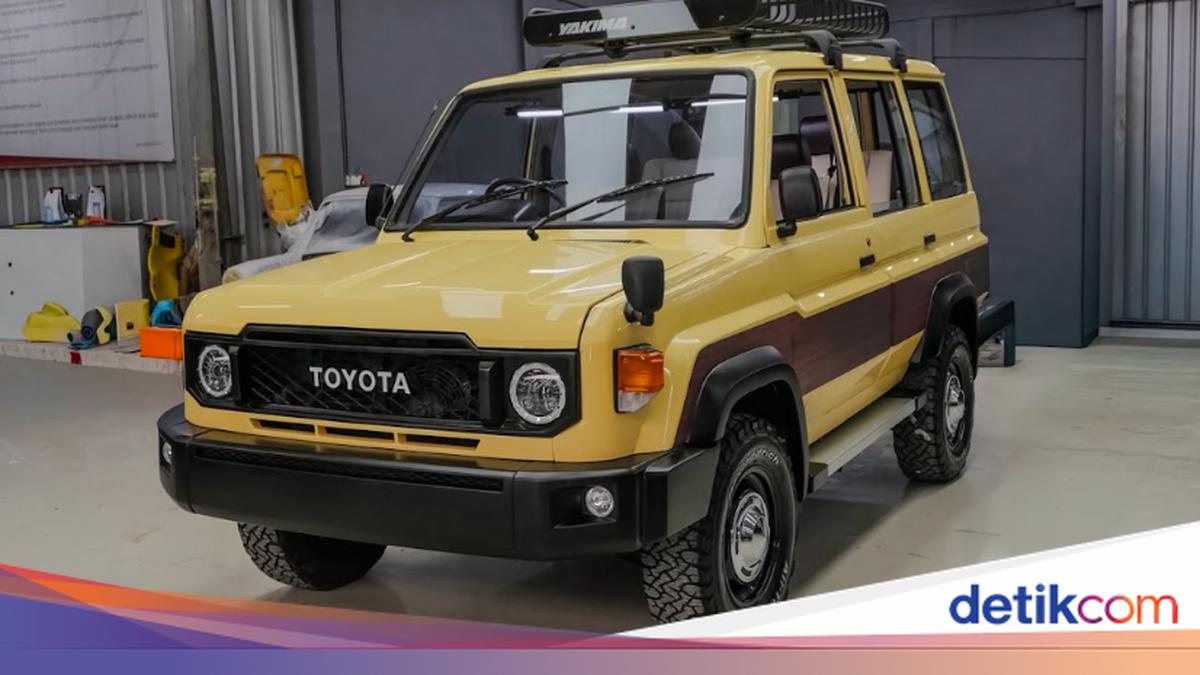
The exterior design represents a departure from the stock utilitarian look of the early 90s. Drawing inspiration from the iconic Toyota Land Cruiser, the bodywork has been re-sculpted to project a more aggressive, SUV-oriented silhouette. The custom body kit was designed by a team led by Mulyadi and Hilman, focusing on widening the stance and adding structural definition to the wheel arches. The result is a vehicle that feels both rugged and refined, successfully transitioning the Kijang from a family hauler to an enthusiast-grade custom build.
Precision Paintwork and Material Innovation
A critical element of the build is the paintwork executed by the specialist shop, Wetgloss. To emphasize national pride and the viability of local products, the team utilized ABCA, a domestic paint brand known for high-grade finishes. The application process was designed to ensure durability and a deep, mirror-like luster that is typically reserved for high-end luxury vehicles.
Beyond the paint, the exterior features an unconventional aesthetic choice: high-tech wood-motif stickers provided by Avery Dennison. Unlike standard automotive wraps, these stickers incorporate a tactile, textured finish that mimics the grain of authentic wood. This deliberate design choice pays homage to the classic "woodie" wagons of the past while utilizing modern manufacturing technology to ensure the finish remains resilient against weather and UV exposure.
Interior Refinement
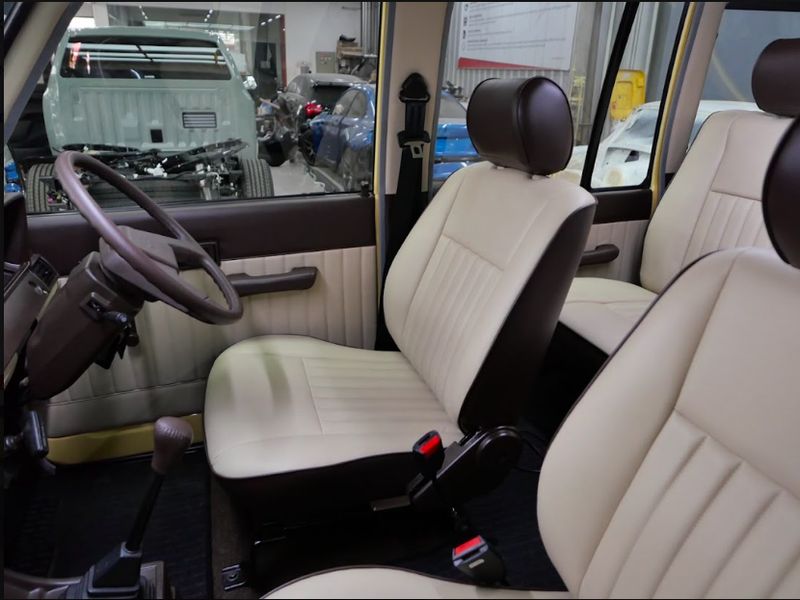
The interior cabin, which in the original 1991 model was purely functional, has been completely overhauled by Ferri of Ferari Jok Cibubur. The transformation focuses on ergonomics and luxury, integrating high-quality materials and modern upholstery techniques. By prioritizing cabin comfort and aesthetic coherence, the project demonstrates how classic vehicle interiors can be modernized to meet the demands of contemporary drivers without losing the soul of the original design.
The IMX Chronology and Industry Impact
The IMX has grown significantly since its inception, moving from a niche hobbyist gathering to a professionalized industry expo that attracts international attention. By organizing the event in October 2026, the organizers aim to consolidate the growth seen in the Indonesian aftermarket sector over the last five years.
Data from the industry suggests that the local modification market in Indonesia has seen a compound annual growth rate (CAGR) of approximately 8-10% since 2020. This growth is driven by a rising middle class, an increase in digital connectivity among car enthusiasts, and the proliferation of high-quality local aftermarket parts. Events like the IMX play a crucial role in legitimizing these modifications, providing a platform for small and medium-sized enterprises (SMEs) to showcase their work to a broader audience.
Accessing the Supergiveaway: Mechanics and Participation
The IMX 2026 organizers have structured the giveaway to maximize participation, catering to both attendees and the broader digital community. There are two primary avenues through which participants can secure a chance to win the GH Style Kijang:
- On-Site Attendance: Individuals who purchase entrance tickets for the IMX 2026—whether via pre-sale or on-the-spot at the venue—automatically receive one entry coupon. The winner will be determined through a live drawing held at the main stage during the event, a centerpiece moment designed to drive engagement during the three-day expo.
- Merchandise Procurement: To engage those unable to travel to Jakarta, the organizers have partnered with Turbo Bastard Wheel (TBW). Customers purchasing official TBW merchandise through online platforms like Tokopedia or Shopee are eligible for entry. This hybrid approach reflects the modern digital-first strategy of the expo, acknowledging that the passion for automotive modification transcends geographical boundaries.
Economic and Cultural Implications
The decision to feature a restored Toyota Kijang is not just a marketing tactic; it is an economic statement. By focusing on a vehicle that is ubiquitous in Indonesia, the IMX is effectively encouraging enthusiasts to invest in the longevity of their vehicles rather than focusing exclusively on the constant purchase of new models. This "repair and repurpose" culture aligns with broader global trends toward sustainability in the automotive sector.
Furthermore, the collaboration between established influencers, local specialized workshops, and domestic material suppliers creates a micro-economy that supports the local automotive aftermarket ecosystem. By proving that a 35-year-old vehicle can be transformed into a desirable, high-value asset, the IMX is setting a precedent for future modifications. It challenges the stigma that "local" products are inferior and provides a roadmap for other SMEs to elevate their manufacturing and service standards.
Conclusion: The Future of the Indonesian Aftermarket
As October 2026 approaches, the buzz surrounding the GH Style Toyota Kijang is expected to intensify. The project stands as a testament to the maturation of the Indonesian automotive scene, where the combination of technical skill, historical appreciation, and innovative marketing creates a sustainable future for the industry. For attendees of the IMX 2026, the expo promises not only a glimpse into the future of automotive design but also a rare opportunity to own a piece of rolling history that symbolizes the best of Indonesian creative spirit.
As the expo approaches its dates, potential participants are encouraged to monitor the official IMX channels for updates regarding the schedule of events, exhibitor lists, and further details on the Supergiveaway regulations. With the combination of a legendary base vehicle and a high-caliber list of contributors, the IMX 2026 is poised to be a landmark moment in the history of Indonesian automotive culture.