The Critical Role of Motorcycle Brake Fluid: Identifying Signs of Degradation for Enhanced Rider Safety

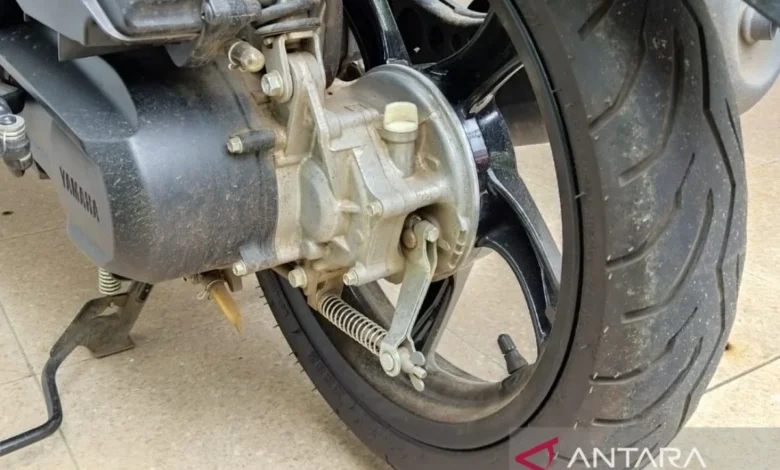
Brake fluid is an indispensable component within a motorcycle’s braking system, performing a function of paramount importance in ensuring optimal brake performance. This is especially critical when a motorcycle is operating at high speeds or navigating downhill gradients, situations where the demands on the braking system are significantly amplified. Failure to replace brake fluid according to recommended intervals can pose a grave risk to rider safety, potentially leading to catastrophic brake failure. This article delves into the crucial signs that indicate a motorcycle’s brake fluid requires immediate attention and replacement, underscoring the proactive measures riders must undertake to maintain their braking systems in peak condition.
The efficacy of motorcycle braking systems is intricately linked to the hydraulic pressure generated by the brake fluid. This fluid, often overlooked in routine maintenance, acts as the conduit for transmitting the force applied to the brake lever or pedal to the brake calipers, which then press the brake pads against the rotors. The inherent properties of brake fluid, such as its high boiling point and incompressibility, are vital for this process. However, over time and with exposure to heat, moisture, and contaminants, these properties degrade, diminishing the fluid’s ability to perform its essential role.
Five Key Indicators of Depleted or Degraded Motorcycle Brake Fluid
Recognizing the signs of failing brake fluid is the first line of defense against potential braking system malfunctions. Mechanics and experienced riders often point to several distinct indicators:
1. Grinding or Squealing Noises During Braking: While a high-pitched squeal can often be attributed to worn brake pads, a persistent grinding or squeaking sound, particularly when the brakes are applied, can also signal a deficiency in brake fluid. This noise may arise from a lack of adequate lubrication within the braking system due to a depleted brake fluid level or its degraded quality. Insufficient lubrication can lead to increased friction and wear on internal brake components, exacerbating the issue. The sound might manifest as a metallic scraping or a harsh, grating noise, distinct from the typical pad wear squeal.
2. Reduced Braking Responsiveness or "Spongy" Feel: A hallmark of compromised brake fluid is a noticeable decrease in braking power. Riders may describe the brake lever or pedal feeling "mushy" or "spongy," requiring more pressure to achieve the desired stopping force. The brake lever might travel further into its resting position before engaging the brakes effectively, or the initial bite might feel significantly weaker. This phenomenon is typically a consequence of compromised hydraulic pressure within the system. When the brake fluid’s volume is insufficient or its quality has deteriorated, it struggles to transmit the full force applied at the lever to the calipers, leading to a less responsive and less potent braking action. This can be particularly dangerous during emergency braking situations.
3. Discoloration of Brake Fluid to a Cloudy or Dark Hue: New brake fluid typically presents as a clear, pale yellow liquid. Over time, and with continued use, brake fluid absorbs moisture from the atmosphere and collects microscopic debris and metal particles generated by the wear of internal brake components. This contamination process leads to a visible change in the fluid’s appearance. If the brake fluid in the reservoir has turned a murky brown or even a deep black color, it is a strong indication that it is contaminated and has lost its optimal performance characteristics. This discoloration signifies that the fluid’s boiling point may have been compromised and that its lubricating and corrosive-inhibiting properties are significantly diminished.
4. Low Brake Fluid Level Below the Minimum Line: Motorcycle brake fluid reservoirs are equipped with clear markings indicating the minimum and maximum fluid levels. Regular visual inspection of this reservoir is a simple yet vital maintenance practice. If the fluid level consistently drops below the designated minimum line, it is a clear sign that the brake fluid is either low or that there might be a leak within the braking system. Even in the absence of visible external leaks, a significant drop in fluid level suggests that the fluid has been consumed or has evaporated, necessitating a refill or, more likely, a complete replacement and inspection for internal leaks.
5. Visible Air Bubbles in the Brake Lines or Hydraulic System: The presence of air within a hydraulic braking system is detrimental to its performance. Air is compressible, unlike brake fluid, and its inclusion disrupts the efficient transfer of hydraulic pressure. During inspections or fluid changes, if air bubbles are observed within the translucent brake lines or the hydraulic system, it indicates an air ingress problem. This air can cause a "spongy" or "elastic" feel to the brake lever, significantly reducing the effectiveness and immediacy of the braking response. Entrapped air needs to be purged from the system through a process called bleeding to restore proper braking function.
The Perilous Consequences of Neglecting Brake Fluid Maintenance
The implications of failing to address these warning signs and replace degraded brake fluid can be severe, extending beyond mere inconvenience to potentially life-threatening scenarios.
-
Brake Failure ("Brake Fade" and "Brake Lock"): One of the most critical risks is the possibility of the braking system failing entirely when it is most needed. This can manifest as "brake fade," where the brakes become progressively less effective due to overheating, often caused by contaminated fluid with a lowered boiling point. Water absorbed by the brake fluid can turn into steam under extreme heat, creating compressible pockets within the hydraulic system that drastically reduce braking force. In more extreme cases, a complete loss of hydraulic pressure can lead to "brake lock," where the brakes cease to function altogether. This is particularly dangerous during high-speed maneuvers or on steep descents.
-
Damage to Internal Brake Components: Brake fluid does more than just transmit pressure; it also lubricates and protects the internal components of the braking system. Over time, degraded brake fluid can lose its anticorrosive properties, leading to rust and corrosion within the brake lines, master cylinder, calipers, and pistons. Furthermore, the lack of proper lubrication can accelerate wear on rubber seals and other moving parts, potentially causing leaks and premature failure of these critical components. The cumulative effect can lead to costly repairs and a compromised braking system that is no longer reliable.
-
Compromised Hydraulic System Integrity: The continuous exposure of brake fluid to heat and pressure can lead to the formation of sludge and deposits within the hydraulic system. These contaminants can clog small passages, impede the movement of pistons, and generally degrade the overall efficiency and reliability of the hydraulic circuit. This can lead to inconsistent braking performance and an increased likelihood of unexpected malfunctions.
Understanding the Ideal Replacement Schedule for Brake Fluid
The general consensus among motorcycle manufacturers and mechanics regarding brake fluid replacement is that it should be performed proactively, rather than waiting for clear signs of failure.
-
Time-Based Replacement: A common recommendation is to replace brake fluid every one to two years. This timeframe accounts for the gradual absorption of moisture and the natural degradation of the fluid’s chemical properties over time, irrespective of mileage.
-
Mileage-Based Replacement: Alternatively, a mileage-based guideline suggests replacement every 10,000 to 25,000 kilometers (approximately 6,000 to 15,500 miles), depending on the specific motorcycle model and its intended use.
-
Usage-Based Considerations: For motorcycles subjected to extreme operating conditions, such as frequent travel on steep inclines and descents, rough or unpaved roads, or consistent heavy braking (e.g., in heavy traffic or during performance riding), the brake fluid will experience higher thermal stress and accumulate contaminants more rapidly. In such cases, riders should consider a more frequent replacement schedule, potentially even before the one-year or the recommended mileage interval is reached.
Proactive Maintenance for Safer Journeys
Maintaining the quality and quantity of motorcycle brake fluid is an integral aspect of responsible and safe riding. The safety of a motorcycle is not solely dependent on the engine’s power or the condition of its tires; the braking system, and by extension, the brake fluid, plays an equally vital role. Riders who observe any of the aforementioned indicators should not delay in having their brake fluid inspected and, if necessary, replaced by a qualified mechanic.
The implications of a neglected braking system extend beyond the individual rider, impacting the safety of other road users. A well-maintained braking system is a cornerstone of a secure and enjoyable riding experience. By adhering to recommended maintenance schedules and being vigilant for the warning signs, riders can significantly mitigate the risks associated with brake fluid degradation and ensure their journeys are both safe and comfortable.
The automotive industry, including motorcycle manufacturers, continually emphasizes the importance of routine maintenance. For instance, recent studies by automotive safety organizations have highlighted that a significant percentage of roadside breakdowns or accidents are indirectly linked to poorly maintained braking systems. While specific data for brake fluid-related incidents on motorcycles can be difficult to isolate, the principle remains consistent: neglecting critical fluid systems leads to increased failure rates.
Expert Opinions and Industry Standards
Leading motorcycle manufacturers, such as Honda, Yamaha, and Kawasaki, typically outline specific brake fluid replacement intervals in their owner’s manuals, often recommending DOT 3 or DOT 4 brake fluid, depending on the model. These recommendations are based on extensive testing and are designed to ensure the longevity and optimal performance of their braking systems.
"Brake fluid is hygroscopic, meaning it absorbs moisture from the air over time," explains a senior technician at a reputable motorcycle dealership in Jakarta. "This moisture lowers the boiling point of the fluid. When you brake hard, especially downhill, the heat generated can cause the water in the fluid to boil, creating vapor bubbles. These bubbles are compressible, and that’s when you experience that terrifying ‘spongy’ feeling and a significant loss of braking power. It’s a recipe for disaster."
Broader Implications for Motorcycle Safety
The consistent emphasis on brake fluid maintenance by regulatory bodies and automotive safety advocates underscores its critical role in overall road safety. In many jurisdictions, regular vehicle inspections include checks of essential safety systems like brakes. While the focus might be on pad thickness and rotor condition, the underlying health of the hydraulic fluid is equally crucial.
The availability of advanced diagnostic tools and readily accessible information through online forums and rider communities has empowered motorcycle owners to become more proactive in their maintenance. However, the complexity of some braking systems, particularly those incorporating ABS (Anti-lock Braking System) or linked braking, necessitates professional servicing. ABS systems, while enhancing safety, can be particularly sensitive to fluid contamination, as the precise operation of their hydraulic modulators relies on clean and responsive fluid.
In conclusion, the seemingly minor task of monitoring and replacing motorcycle brake fluid is a non-negotiable aspect of responsible motorcycle ownership. The five indicators detailed above serve as a vital guide for riders to identify potential issues before they escalate. By prioritizing this crucial maintenance task, riders not only safeguard their own lives but also contribute to a safer riding environment for everyone on the road. The message is clear: do not wait for the brakes to fail; be proactive and ensure the integrity of your motorcycle’s most critical safety system.