For many individuals, the journey toward a healthier lifestyle involves a disciplined regimen of rigorous exercise and meticulous caloric tracking. Yet, a significant cohort of people—predominantly women—find themselves facing a frustrating paradox: while their upper body responds to these lifestyle modifications, their thighs, calves, and buttocks remain disproportionately large and resistant to change. This condition, often erroneously dismissed as simple obesity, is frequently a chronic medical disorder known as lipedema.
Lipedema is a complex adipose tissue disorder characterized by the abnormal, symmetrical accumulation of fat cells in the subcutaneous tissue, typically sparing the feet and hands. Because its presentation often mimics generalized obesity, it remains widely underdiagnosed, leading many patients to endure years of ineffective weight-loss efforts, psychological distress, and physical discomfort. Recognizing the distinction between lifestyle-related weight gain and this physiological condition is essential for effective clinical management and patient well-being.
Defining the Pathology of Lipedema
At its core, lipedema is not merely a cosmetic issue; it is a clinical condition involving the irregular distribution of fat. Unlike visceral fat—which surrounds internal organs and fluctuates in response to metabolic changes—lipedema tissue is largely subcutaneous and notoriously recalcitrant. Medical researchers have identified that the onset and exacerbation of the condition are closely linked to periods of hormonal fluctuation. Consequently, the symptoms often manifest or significantly worsen during puberty, pregnancy, or the transition into menopause.
While the exact etiology remains a subject of ongoing medical research, the consensus among specialists suggests a multifactorial origin. Genetics play a pivotal role, with studies indicating that up to 60 percent of individuals diagnosed with lipedema have a family history of the condition. This suggests a hereditary predisposition, potentially involving specific genes that regulate adipose tissue growth and distribution. Furthermore, the interplay between hormonal shifts and the lymphatic system is a critical area of focus, as many patients eventually develop secondary lymphatic dysfunction.
Chronology and Clinical Progression
The progression of lipedema is typically categorized into stages, reflecting the structural changes in the affected tissues over time.
In the early stages, the skin surface may remain relatively smooth, though the underlying fat feels soft and may contain small, pea-sized nodules. As the condition advances, the skin texture often becomes uneven, developing a characteristic "mattress-like" or "dimpled" appearance. In the most advanced stages, the accumulation of fat becomes significant, leading to severe architectural changes in the limbs. These stages are often accompanied by a decline in mobility and an increase in the severity of pain, as the sheer volume of tissue begins to impede normal movement and physical function.
Historically, the medical community’s awareness of lipedema has been slow to evolve. First described by researchers at the Mayo Clinic in 1940, the condition was largely sidelined for decades. It was only in the late 20th and early 21st centuries that the broader medical community began to differentiate it from standard obesity and primary lymphedema, leading to more standardized diagnostic criteria and a better understanding of the patient experience.
Distinguishing Lipedema from Generalized Obesity
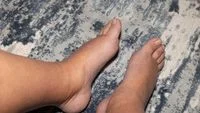
Distinguishing lipedema from traditional obesity requires a clinical eye for specific anatomical cues. In generalized obesity, fat distribution is typically more systemic; it is influenced by total caloric intake versus expenditure and usually responds to systemic weight loss. In contrast, lipedema exhibits a distinct "cuffing" effect at the ankles or wrists, where the adipose tissue stops abruptly, leaving the feet and hands appearing unaffected.
Furthermore, patients with lipedema frequently report a high level of sensitivity to touch and spontaneous bruising. These bruises occur without a history of trauma, suggesting an underlying fragility of the microvasculature within the adipose tissue. The presence of these symptoms—specifically the disproportionate limb-to-torso ratio, the lack of response to caloric restriction, and tactile tenderness—serves as a primary clinical marker for physicians evaluating the patient.
Supporting Data and Patient Demographics
Epidemiological data on lipedema is currently incomplete due to the lack of widespread screening and diagnostic codes in many healthcare systems. However, estimates suggest that the condition may affect between 6 percent and 11 percent of the female population. Because it is almost exclusively seen in women, the correlation with estrogen-related pathways remains the most compelling area of study.
The socioeconomic impact of this condition is significant. Patients often report "medical gaslighting," where they are repeatedly told that their inability to lose weight is due to a lack of willpower or dietary adherence. This leads to a cycle of yo-yo dieting, which can exacerbate the physical and psychological toll. A 2021 study on the quality of life for lipedema patients highlighted that the psychological burden—characterized by anxiety, depression, and body dysmorphic tendencies—is often as debilitating as the physical pain itself.
Current Approaches to Clinical Management
While there is currently no cure for lipedema, contemporary medical approaches focus on symptom management and the prevention of further progression. The standard of care, often referred to as Complete Decongestive Therapy (CDT), utilizes a combination of manual lymphatic drainage (MLD), compression garments, skin care, and tailored physical activity.
Manual lymphatic drainage is a specialized form of light, rhythmic massage designed to stimulate the lymphatic system and encourage the flow of lymph fluid. When combined with compression—usually in the form of medical-grade stockings or bandages—this therapy helps mitigate the feeling of "heaviness" and reduces the risk of secondary fluid accumulation.
For patients who do not achieve adequate relief through conservative measures, surgical intervention is sometimes considered. Specialized liposuction, specifically water-jet assisted or tumescent liposuction, is used to remove the diseased fat tissue. Unlike cosmetic liposuction, this procedure is performed with the specific intent of removing the hypertrophic adipose cells to reduce pain and improve mobility. However, surgical candidates must be carefully screened, as the procedure is not a permanent solution for all, and post-operative management remains essential to maintain results.
Broader Implications and Future Directions
The implications of the current lack of awareness surrounding lipedema are profound. Public health policy has largely focused on the obesity epidemic, emphasizing lifestyle modifications as the primary solution for weight management. While this is sound advice for the general population, it can be harmful when applied to patients with lipedema without acknowledging the underlying physiological disorder.
Medical experts are now advocating for better education for primary care physicians, who are often the first point of contact for patients. By training general practitioners to recognize the physical markers of lipedema, healthcare systems could significantly reduce the time between symptom onset and formal diagnosis. Early intervention is critical; it can prevent the progression to later stages of the disease, reduce the necessity for invasive surgery, and improve the long-term mobility of patients.
Moreover, the scientific community is moving toward a more molecular understanding of the disease. Research into adipose tissue biology and the role of the extracellular matrix is underway, with the hope that it will yield new therapeutic targets. If researchers can identify the specific genetic or metabolic triggers that cause the fat cells in lipedema to behave differently, it may eventually lead to pharmacological treatments that can halt the disease process.
Final Considerations for Patients
For those who suspect they may be living with lipedema, the most important step is seeking an evaluation from a specialist familiar with adipose tissue disorders. This may include a dermatologist, a plastic surgeon, or a vascular specialist with expertise in lymphatic conditions.
It is vital for patients to document their symptoms, including the history of their weight fluctuations, areas of pain, instances of unexplained bruising, and any family history of similar fat distribution. Maintaining a realistic outlook is also essential: while treatment can significantly improve quality of life and reduce pain, it is a long-term commitment.
The movement to bring lipedema into the mainstream medical conversation is gaining momentum. As more data is gathered and patient advocacy groups continue to push for clinical recognition, the hope is that those suffering from this condition will no longer feel the need to apologize for their bodies or endure the frustration of ineffective treatments. The recognition of lipedema as a legitimate medical diagnosis is not just a victory for scientific accuracy; it is a necessary step toward providing equitable and compassionate healthcare for millions of women worldwide.
Related posts: