
The picturesque shores of Sanur, Bali, recently became a vibrant canvas for the annual Rare Angon Kite Festival, an event that transcended traditional kite flying by showcasing an extraordinary array of uniquely designed kites. This year’s festival captivated onlookers with an imaginative collection, featuring familiar characters from Javanese puppetry, such as the beloved figure Petruk, alongside beloved modern icons like Doraemon, the robotic cat from Japan. The festival, a celebration of creativity and cultural fusion, drew participants and spectators alike, transforming the coastal landscape into a spectacle of color, ingenuity, and playful artistry.
A Tapestry of Tradition and Modernity
The Rare Angon Kite Festival has established itself as a significant cultural event in Bali, fostering a spirit of community and artistic expression. While rooted in the long-standing tradition of kite making and flying in Indonesia, the festival encourages participants to push the boundaries of design, incorporating contemporary themes and characters. This year’s emphasis on diverse and unexpected kite shapes underscores a broader trend in cultural festivals worldwide: the blending of heritage with modern influences.
The presence of Petruk, a prominent character in the wayang kulit (shadow puppet) tradition, highlights the festival’s connection to Indonesian cultural heritage. Petruk, known for his comedic nature and wisdom, is a staple in traditional Javanese performances, and his appearance as a kite signifies the enduring relevance of these cultural narratives. His inclusion demonstrates a conscious effort by festival organizers and participants to honor and perpetuate traditional art forms, even within a contemporary setting.
Juxtaposed with Petruk’s traditional roots was the presence of Doraemon, a globally recognized anime character. Doraemon, with his futuristic gadgets and benevolent personality, represents a modern, international pop culture icon. His inclusion in the Rare Angon Kite Festival illustrates the event’s embrace of global influences and its ability to resonate with a younger, more globally connected audience. This fusion of the traditional and the contemporary creates a unique dialogue, demonstrating how cultural elements can evolve and remain relevant across generations and geographical boundaries.
The Genesis and Evolution of Rare Angon
The Rare Angon Kite Festival’s origins can be traced back to a desire to preserve and revitalize the art of kite making and flying in Bali. While specific founding dates and initial organizers are not detailed in the provided snippet, such festivals typically emerge from local initiatives aimed at cultural preservation, tourism promotion, and community engagement. The name "Rare Angon" itself likely carries cultural significance, possibly referring to a specific type of kite, a traditional kite-flying practice, or a local community group dedicated to the craft.
Over the years, the festival has likely grown in scale and ambition. What might have started as a local gathering has, through word-of-mouth and effective promotion, attracted a wider array of participants, including professional kite makers and enthusiasts from various regions. The evolution of kite designs, from simpler, traditional forms to elaborate, character-driven creations, reflects this growth and the increasing creativity of the participants.
The festival’s location in Sanur, a well-established tourist destination on Bali’s southeastern coast, provides a natural advantage. Sanur’s calm beaches and consistent sea breezes are ideal for kite flying, and its existing tourism infrastructure allows for the accommodation of a larger influx of visitors. The festival thus serves a dual purpose: a celebration of local culture and a contributor to Bali’s vibrant tourism economy.
A Spectrum of Designs: Beyond the Ordinary
The visual impact of the Rare Angon Kite Festival is its most striking feature. The kites, far from being mere geometric shapes, are transformed into three-dimensional sculptures that dance in the sky. The mention of Petruk and Doraemon is just a glimpse into the diversity of designs. One can imagine a sky filled with a menagerie of creatures, mythical beings, and even abstract artistic interpretations, all brought to life by the wind.
The craftsmanship involved in creating these kites is a testament to the skill of the artisans. Each kite is likely meticulously constructed, requiring expertise in material selection (often lightweight yet durable fabrics like ripstop nylon or silk), frame construction (using bamboo or carbon fiber), and intricate painting or appliqué work for detailing. The sheer scale of some of these kites can also be a factor, with larger designs demanding more complex engineering to ensure stable flight.
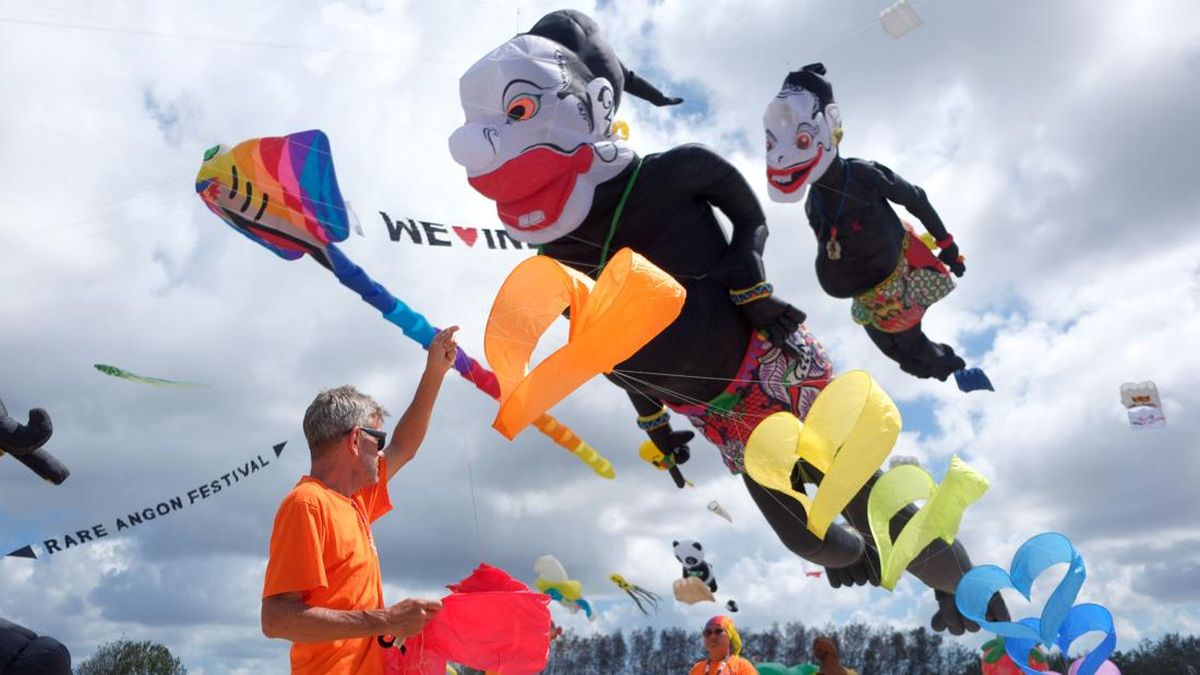
The festival likely includes various categories or competitions, encouraging different approaches to kite design and performance. This could range from categories for the most innovative design, the largest kite, the most traditional kite, or even kites that perform specific aerial maneuvers. Such competitions not only add an element of friendly rivalry but also serve as a platform for participants to share techniques and inspire each other.
The Psychology of Kite Flying: A Universal Appeal
Kite flying, at its core, taps into a universal human fascination with the sky and the freedom it represents. The act of launching a kite and watching it ascend evokes a sense of wonder and accomplishment. It’s a pastime that transcends age, cultural background, and socio-economic status, offering a simple yet profound connection to nature and the elements.
The Rare Angon Kite Festival amplifies this appeal by infusing it with creativity and cultural storytelling. The kites become not just objects of flight but carriers of meaning and identity. A kite shaped like a traditional Balinese barong would evoke local mythology and spiritual beliefs, while a kite shaped like a popular cartoon character would resonate with shared childhood memories and contemporary entertainment.
The festival also fosters a sense of collective joy. The sight of hundreds of colorful kites filling the sky creates a shared experience that can be deeply moving. Spectators often find themselves captivated, pointing out their favorite designs and marveling at the skill of the flyers. This shared appreciation for art, culture, and the simple act of play strengthens community bonds.
Supporting Data and Potential Economic Impact
While specific visitor numbers or economic impact figures for the Rare Angon Kite Festival are not provided, similar cultural events in Bali typically see significant boosts in tourism. Bali’s tourism industry is a vital component of the Indonesian economy, with international arrivals alone contributing billions of dollars annually. Festivals like Rare Angon play a crucial role in attracting both domestic and international tourists.
- Tourism Contribution: According to data from Statistics Indonesia (BPS), Bali consistently ranks as one of Indonesia’s top tourist destinations. In pre-pandemic years, Bali welcomed millions of international and domestic tourists annually. Festivals that offer unique cultural experiences are key drivers of this tourism.
- Local Economy: The festival creates economic opportunities for local artisans who design and build the kites, as well as for vendors selling food, beverages, and souvenirs. Accommodation providers in Sanur and surrounding areas also benefit from the increased visitor numbers.
- Cultural Preservation Investment: The success of such festivals can encourage further investment in cultural preservation initiatives, ensuring that traditional arts and crafts continue to thrive. This can lead to the development of training programs and workshops, passing on valuable skills to younger generations.
Inferred Reactions and Broader Implications
While direct quotes from participants or officials are absent, the nature of such a vibrant and creative festival allows for inferred reactions and analyses of its broader implications.
Inferred Reactions:
- Participants: Kite makers likely express immense pride in showcasing their creations, seeing their hard work and artistic vision take flight. They may also feel a sense of responsibility in representing their chosen themes, whether traditional or modern, with authenticity and flair.
- Spectators: Onlookers, both local and international, are expected to experience a sense of delight and awe. The visual spectacle of diverse kites against the backdrop of the Balinese sky would undoubtedly create memorable experiences, prompting conversations and sharing on social media.
- Local Community: Residents of Sanur would likely feel a sense of pride in hosting such a visually engaging and culturally significant event, contributing to the vibrancy of their community.
Broader Implications:
- Cultural Diplomacy: Festivals like Rare Angon act as informal cultural ambassadors, showcasing Indonesian creativity and artistic heritage to a global audience. The fusion of local and international themes can foster understanding and appreciation between different cultures.
- Innovation in Traditional Arts: The festival serves as a powerful example of how traditional art forms can be revitalized and made relevant through innovation and adaptation. By embracing new themes and techniques, artisans ensure the continuity of their crafts.
- Tourism Diversification: Beyond the traditional beach and temple tourism, events like the Rare Angon Kite Festival offer niche attractions that appeal to a broader spectrum of travelers, including those interested in arts, culture, and unique experiences. This diversification can lead to more sustainable tourism development.
- Intergenerational Engagement: The appeal of characters like Doraemon suggests that the festival successfully bridges generational gaps, drawing in younger audiences who may not have had prior exposure to traditional Indonesian arts. This intergenerational engagement is crucial for the preservation of cultural heritage.
Conclusion: A Celebration of Flight and Imagination
The Rare Angon Kite Festival in Sanur, Bali, stands as a compelling testament to the enduring power of creativity and cultural exchange. By transforming the sky into a canvas for characters as diverse as the traditional Javanese puppet Petruk and the modern icon Doraemon, the festival not only delights the senses but also fosters a rich dialogue between heritage and contemporary influences. As these kites dance in the Balinese breeze, they carry with them the aspirations, stories, and artistic expressions of a community, offering a vibrant and unforgettable spectacle for all who witness it. The festival’s success lies in its ability to unite tradition with innovation, captivating audiences and reinforcing Bali’s status as a global hub for cultural richness and artistic expression.
Related posts: