Indonesia Proactively Addresses Regulatory Gaps for Emerging Advanced Air Mobility Technologies

Indonesia has established a comprehensive regulatory framework to govern the advent of new transportation technologies, including flying cars, aiming to mitigate potential regulatory loopholes that have emerged in many nations. The Directorate General of Air Transportation of the Ministry of Transportation has confirmed the existence of technical regulations covering both the products and the operators involved in advanced air mobility (AAM).
"I see that for advanced air mobility, we already have regulations in place at the Directorate of Airworthiness and Aircraft Operation (DKPPU) concerning this matter," stated Lukman F. Laisa, Director General of Air Transportation. "We have CASR (Civil Aviation Safety Regulation). There are many CASRs, including CASR 22 and CASR 107 for the aircraft products. Furthermore, we already have regulations for operators, such as CASR 61 and CASR 65."
These regulations provide a foundational legal structure for the integration of novel aerial vehicles into Indonesia’s transportation ecosystem. The foresight in establishing these rules preempts the challenges faced by countries that have been caught off guard by the rapid pace of technological innovation.
H2. Pre-emptive Regulatory Measures for Airspace and Aircraft
The existing body of regulations, specifically the Civil Aviation Safety Regulations (CASR), addresses key aspects of aviation safety and operational standards. CASR 22, for instance, is likely to pertain to the airworthiness standards for aircraft, ensuring that any flying vehicle meets stringent safety requirements before it can be approved for use. Similarly, CASR 107 would typically govern the operational rules for unmanned aircraft systems, a category that many AAM vehicles might fall under or be related to in their developmental stages.
For the operators, CASR 61 and CASR 65 are crucial. CASR 61 generally deals with pilot certification and training requirements, while CASR 65 covers the certification of aviation maintenance technicians and other specialized personnel. The presence of these regulations indicates a commitment to ensuring that not only the technology itself is safe, but also that the individuals operating and maintaining these advanced vehicles are adequately qualified.
The Indonesian government’s proactive stance extends to the regulation of airspace. Recognizing that the introduction of flying cars necessitates a clear understanding of their designated operational areas and altitudes, the government has already updated its airspace regulations. This is critical for maintaining air traffic control, preventing collisions, and ensuring the orderly flow of aerial traffic.
"Furthermore, the airspace is already regulated through Ministerial Regulation (PM) number 37 of 2020," Lukman explained. "This regulation addresses unmanned aircraft in the airspace, so we already have rules in place."
This specific regulation, PM 37/2020, likely outlines the framework for operating unmanned aerial vehicles (UAVs) within Indonesian airspace. The inclusion of provisions for unmanned aircraft is a forward-thinking move, as many AAM concepts often leverage drone technology or operate in similar low-altitude airspace corridors. This regulation is vital for defining flight paths, operational zones, and communication protocols, thereby integrating these new vehicles into the existing air traffic management system without causing disruption.
H3. Ensuring Legal Certainty for Future Adoption
The dual approach of regulating both the product and its operation, coupled with specific airspace management rules, serves as a legal guarantee. This provides a clear pathway for the eventual widespread use and commercialization of flying car technology within Indonesia. By having these regulations in place, the government can expedite the certification and approval processes for manufacturers and operators, fostering an environment conducive to innovation while maintaining safety and order.
The implications of this proactive regulatory approach are significant for Indonesia’s position in the global AAM landscape. It signals to international investors and technology developers that the country is prepared to embrace and integrate these transformative technologies. This can attract foreign direct investment, stimulate domestic technological development, and position Indonesia as a leader in the adoption of future transportation solutions.
H2. International Collaboration for Accelerated Certification
To further streamline the adoption of foreign-developed AAM technologies, the Indonesian government is actively pursuing collaboration with international aviation authorities. A key partnership is currently being forged with the Civil Aviation Administration of China (CAAC) to expedite the certification and validation processes for aircraft originating from China.
"What we are currently doing is collaborating with CAAC China (Civil Aviation Administration of China) on how we can certify, certify or validate aircraft coming from China, so that it is faster," Lukman stated.
This collaboration is particularly relevant given the significant advancements in AAM technology coming from China. By working closely with the CAAC, Indonesia can leverage the safety assessments and certification standards already established by the Chinese authorities. This approach avoids the need to reinvent the wheel for each new technology, allowing for a more efficient and timely integration of advanced aerial vehicles into the Indonesian market. The speed of certification is a critical factor in the competitive global race to deploy AAM, and this strategic partnership demonstrates Indonesia’s commitment to staying at the forefront.
H3. Strategic Focus on Logistics and Underserved Regions
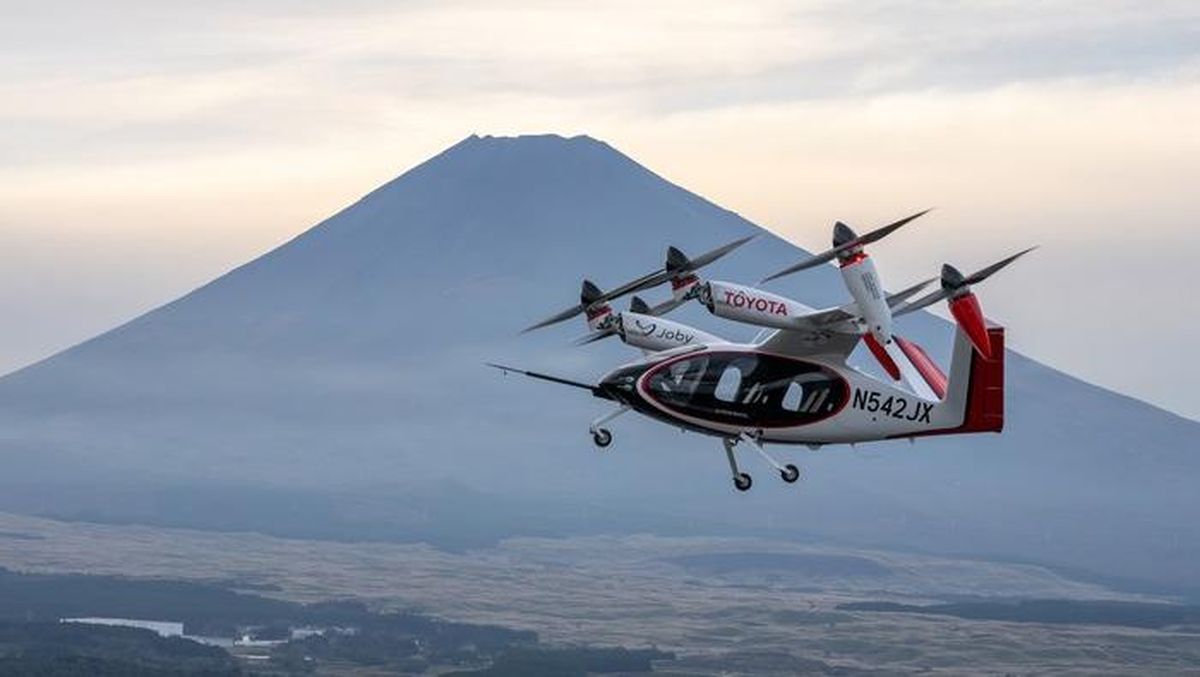
The long-term vision for the development and adoption of AAM in Indonesia is deeply intertwined with national development goals, particularly in supporting domestic logistics. The government aims to leverage these advanced aerial vehicles to enhance connectivity and accessibility, especially in remote and challenging regions.
"Because we want to support logistics in the 3T regions (Underdeveloped, Frontier, and Outermost), we need unmanned aircraft, and the most comfortable way is to use these drones, and the concept is advanced air mobility," Lukman elaborated.
The "3T" regions, which stand for Tertinggal (Underdeveloped), Terdepan (Frontier), and Terluar (Outermost), often face significant logistical challenges due to difficult terrain, limited infrastructure, and geographical isolation. Traditional transportation methods can be slow, expensive, and sometimes inaccessible in these areas. AAM, particularly in the form of advanced drones and potentially larger aerial vehicles, offers a promising solution for delivering goods, medical supplies, and other essential services more efficiently and reliably.
H3. Domestic Development and Future Prospects
Indonesia is not solely relying on foreign technology. The country has its own burgeoning domestic aerospace industry, with companies actively involved in the development of AAM solutions. Lukman mentioned that there are already two domestic products in development, citing PT Dirgantara Indonesia (PTDI) and PT Len Industri (Persero) as key players.
"In Indonesia itself, there are already two products, perhaps PT DI and PT Inter. So, everything is in process," he concluded.
PT Dirgantara Indonesia (PTDI) is a well-established state-owned aerospace company with a history of producing aircraft. Its involvement in AAM signals a commitment to modernizing its capabilities and contributing to the future of air transportation. PT Len Industri, also a state-owned enterprise, typically focuses on electronics and defense systems, and its participation suggests a role in the advanced avionics, control systems, or sensor technology for AAM.
The mention of "PT Inter" could refer to PT Indonesian Aviation Technology (Intertekno) or another entity involved in aviation technology. Regardless of the specific company, the fact that multiple domestic players are engaged in this field highlights Indonesia’s ambition to not only adopt but also contribute to the global AAM ecosystem. This dual approach of international collaboration and domestic development positions Indonesia for significant advancements in aerial mobility.
H2. Analyzing the Implications for Indonesia’s Infrastructure and Economy
The proactive regulatory framework and strategic development plans for AAM in Indonesia carry profound implications.
Economic Growth and Investment: By creating a clear regulatory environment, Indonesia is likely to attract significant investment from both domestic and international AAM companies. This can lead to job creation in manufacturing, technology development, operations, and maintenance. The development of a robust AAM sector can also spur innovation in related industries, such as battery technology, artificial intelligence for autonomous flight, and advanced materials.
Improved Logistics and Accessibility: The focus on supporting logistics in 3T regions is particularly impactful. It has the potential to drastically improve the delivery of essential goods, healthcare, and emergency services to underserved populations. This can lead to better health outcomes, improved educational access, and enhanced economic opportunities in these remote areas. For instance, delivering vaccines or critical medicines to isolated communities could be revolutionized by drone technology.
Urban Mobility and Congestion Relief: While the article emphasizes logistics, the broader concept of AAM also includes potential applications for urban mobility, such as air taxis. As Indonesian cities continue to grow and face increasing traffic congestion, AAM could offer an alternative mode of transport, reducing travel times and improving the quality of life for urban dwellers. However, the regulatory and infrastructure challenges for urban AAM are substantial and will require further detailed planning.
Technological Advancement and Skill Development: The push for AAM necessitates the development of advanced technological capabilities within Indonesia. This will drive the need for skilled engineers, technicians, and software developers. The government’s investment in education and training programs to support this sector will be crucial for long-term success.
Environmental Considerations: The development of AAM also brings environmental considerations to the forefront. While electric-powered AAM vehicles offer a cleaner alternative to traditional combustion engines, the energy infrastructure required to support widespread electric flight and the potential noise pollution from increased air traffic will need careful management and regulation.
Challenges Ahead: Despite the proactive measures, significant challenges remain. The scalability of AAM technology, the cost of deployment, public acceptance, and the development of comprehensive air traffic management systems for a dense aerial environment are all areas that require continuous attention and innovation. Furthermore, ensuring cybersecurity for autonomous flight systems will be paramount.
In conclusion, Indonesia’s early and structured approach to regulating advanced air mobility technologies, coupled with its strategic vision for utilizing these innovations for national development, positions the country favorably for the future of transportation. The combination of robust regulatory frameworks, international collaboration, and domestic industrial development suggests a determined effort to harness the potential of flying cars and related technologies for economic growth and improved accessibility across the archipelago. The ongoing efforts to certify foreign technologies and foster domestic innovation indicate a commitment to embracing the next frontier of mobility.
Related posts: