WhatsApp Business Platform Fee Changes Set to Take Effect on October 1 2026 Will Impact Enterprise Messaging Strategies Worldwide

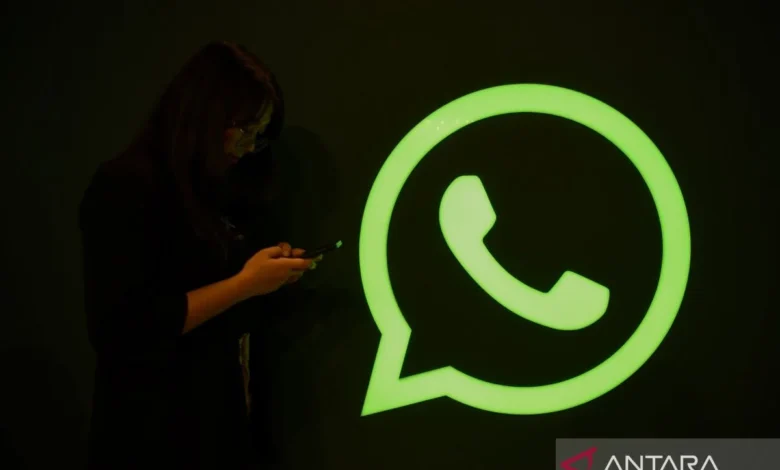
The landscape of digital customer engagement is poised for a significant transformation as Meta implements a comprehensive restructuring of its pricing model for the WhatsApp Business Platform, slated to take effect globally and locally in Indonesia on October 1, 2026. This forthcoming adjustment targets specific messaging interactions within the conventional 24-hour customer service window, primarily focusing on service-oriented replies and utility notifications. While consumer-to-business communications will remain entirely free of charge, businesses leveraging advanced API integrations must thoroughly evaluate their operational budgets to accommodate the new tariff structures.
The announcement has triggered widespread strategic reviews across enterprise sectors, particularly among small and medium-sized enterprises (SMEs), e-commerce platforms, and customer relationship management (CRM) agencies that depend heavily on automated and manual chat infrastructure. As digital transformation accelerates across emerging markets, understanding the precise mechanisms of these pricing updates is crucial for maintaining cost-efficient communication channels.
Decoding the Pricing Restructuring: Main Facts and Core Changes
At the heart of the October 1, 2026 policy update are targeted modifications to how Meta bills enterprises utilizing the WhatsApp Business Platform—specifically encompassing the WhatsApp Business API and Cloud API deployments. It is vital to distinguish these enterprise-grade tools from the standard, consumer-facing WhatsApp Business mobile application, which remains free for direct, individual merchant-to-customer interactions.
The restructured pricing directly impacts two primary message categories that were previously exempt from fees when dispatched within the standard 24-hour customer service window: Service messages and Utility messages. Under the updated framework, Indonesian business accounts will face a standardized rate of Rp356.65 per message once specific thresholds or window conditions are met.
To provide a granular view of the adjustments, the policy shift can be broken down into five core structural changes:
- Service Messages Transition to Paid Status: Historically, businesses could freely reply to customer inquiries using non-template service messages within the 24-hour service window following an inbound user message. Beginning October 1, 2026, these service messages will incur a fee of Rp356.65 per message for Indonesian recipients once monthly complimentary quotas are exhausted.
- Implementation of a Monthly 1,000-Message Service Quota: To cushion the impact on smaller operators, Meta has instituted a complimentary tier allowing up to 1,000 free Service messages per business phone number each month. This quota is calculated strictly on a per-number basis and does not roll over into subsequent billing cycles. Enterprises exceeding this threshold will immediately incur charges for subsequent service interactions.
- Early Charging for Utility Messages within the 24-Hour Window: Utility messages—such as account updates, billing statements, and shipping notifications—sent within the 24-hour customer service window will now be billed from the very first message. Previously exempt during active service windows, Indonesian-targeted utility notifications will be charged at the rate card baseline of Rp356.65 per message starting October 1, 2026. Utility transmissions outside the 24-hour window, which were already commercialized, remain subject to existing regulatory pricing models.
- Exemptions and Unchanged Categories: The policy explicitly preserves several vital communication channels free of charge. Customer-initiated inbound messages remain entirely free. Furthermore, messages dispatched within the extended 72-hour free tier—unlocked when a user initiates a conversation via a Click-to-WhatsApp advertisement—will not attract additional platform fees. Marketing messages and authentication templates continue to follow their respective, established pricing tiers.
- Platform-Exclusive Scope: The restructuring exclusively governs the programmatic WhatsApp Business Platform (API and Cloud API). Micro-entrepreneurs using the standalone WhatsApp Business smartphone app for manual messaging will not be directly affected by these API-specific rate card changes.
Chronology and Evolution of WhatsApp Business Monetization
The evolution of WhatsApp’s monetization strategy reflects Meta’s broader corporate ambition to transform its messaging ecosystem from a cost-center consumer utility into a self-sustaining enterprise revenue engine. The timeline of this transformation reveals a calculated, phased approach to business messaging integration.
The journey began in earnest with the global rollout of the WhatsApp Business app in 2018, followed shortly by the introduction of the WhatsApp Business API in August 2018. During its initial years, the platform focused heavily on user acquisition and ecosystem penetration, offering low barrier-to-entry pricing and extensive complimentary windows to encourage merchants to migrate their customer service operations to digital channels.
By 2022, Meta transitioned to a conversation-based pricing model, categorizing messages into distinct utility, authentication, marketing, and service buckets. This model aimed to align costs with the specific intent of the communication. Over the subsequent years, as artificial intelligence integration, automated chat agents, and conversational commerce gained mainstream adoption, the volume of enterprise messaging surged exponentially.
The announcement of the October 1, 2026 tariff adjustments represents the next logical phase in this maturity cycle. By narrowing free-tier allowances and closing loopholes within the 24-hour service window, Meta is signaling that enterprise-scale automation and high-volume customer service operations must bear a fair share of the platform’s infrastructural maintenance costs. Advance notice of over a year provides software vendors, system integrators, and enterprise clients a substantial runway to adapt their messaging architectures.
Economic and Operational Implications for Businesses
The implementation of Rp356.65 per message for service and intra-window utility communications carries profound operational and financial implications, particularly for high-volume customer support desks.
For large e-commerce enterprises, banking institutions, and telecommunications providers handling tens of thousands of customer inquiries daily, the removal of free intra-window service messaging could significantly escalate monthly operational expenditures. Even with the 1,000-message monthly complimentary buffer, organizations that rely on conversational agents to resolve routine queries will see direct correlation spikes between customer service volume and platform overhead.
Consequently, businesses are expected to accelerate the optimization of their chat workflows. Strategies likely to emerge include:
- Enhanced AI Deflection: Deploying advanced generative AI agents capable of resolving inquiries autonomously within the initial interaction, thereby reducing the total number of back-and-forth conversational turns required.
- Stricter Traffic Segmentation: Implementing intelligent routing to ensure that non-essential follow-ups do not unnecessarily consume the paid service message quota.
- Channel Diversification: Encouraging customers to utilize asynchronous channels or self-service portals for complex troubleshooting while reserving WhatsApp for high-value transactional touchpoints.
For micro, small, and medium-sized enterprises (MSMEs) currently utilizing API-backed solutions through third-party vendors, the impact will depend heavily on their message volume. Enterprises operating comfortably below the 1,000-message threshold will experience negligible disruption, whereas growing digital native brands crossing into commercial scale must factor these recurring platform fees into their unit economics.
Industry Context and Strategic Adaptation
The pricing shift occurs against a backdrop of aggressive digital adoption across Southeast Asia, and Indonesia in particular. Government and private sector initiatives have consistently promoted the digitalization of traditional markets and MSMEs, with millions of merchants now incorporating instant messaging into their daily sales and support operations.
Industry analysts emphasize that despite the introduction of these fees, WhatsApp remains one of the most cost-effective and highest-converting channels for customer acquisition and retention compared to traditional SMS or dedicated mobile applications. The high open rates and immediate engagement associated with instant messaging ensure that, even with increased platform costs, the return on investment (ROI) for well-managed campaigns remains highly favorable.
To mitigate unexpected cost surges, digital transformation consultants advise businesses to conduct comprehensive message-auditing exercises well ahead of the October 2026 deadline. By categorizing historical traffic data, companies can accurately forecast their exposure to the new service and utility tariffs, renegotiate contracts with Business Solution Providers (BSPs), and refine their conversational software logic to minimize unnecessary messaging loops.
Ultimately, as the digital economy matures, the era of frictionless, zero-cost enterprise messaging infrastructure is giving way to a more mature, value-driven commercial framework. Businesses that proactively adapt their communication strategies will be best positioned to sustain profitable customer relationships within Meta’s evolving ecosystem.
Related posts: