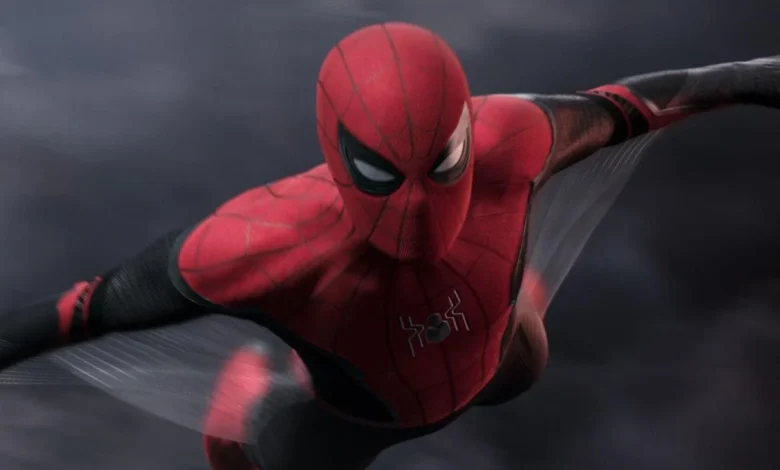
The year 2026 is poised to be a landmark period for the Marvel Cinematic Universe (MCU), as the studio gears up to launch a slate of new films and series that promise to weave intricate narrative threads, introduce compelling new characters, and significantly shape the trajectory of its ongoing multiverse saga. Following substantial shifts and expansions within its multiversal storytelling, Marvel Studios is preparing a robust lineup designed to not only honor beloved existing heroes but also to lay the groundwork for future conflicts and alliances on an unprecedented scale. This strategic deployment of content has ignited considerable anticipation among fans, who view these 2026 releases as crucial connective tissue leading toward the next grand culmination of the MCU’s overarching narrative.
The carefully curated schedule for 2026 reflects a deliberate effort by Marvel Studios to manage audience expectations while simultaneously pushing the creative boundaries of superhero storytelling. The studio has navigated a complex post-“Endgame” landscape, exploring the vast potential of alternate realities and parallel timelines. The upcoming year’s releases are expected to consolidate these explorations, offering a more focused and cohesive experience for viewers as the MCU ventures deeper into its established phases.
Unveiling the 2026 MCU Slate: A Chronological Look
Marvel Studios has strategically planned its 2026 releases across both its streaming platform, Disney+, and traditional theatrical releases, ensuring a consistent flow of content that caters to diverse viewing preferences. This dual approach allows for both intimate character explorations through serialized storytelling and grand cinematic spectacles.
January 2026: "Wonder Man" Kicks Off the Year on Disney+
The year will commence with the premiere of the "Wonder Man" series on Disney+ on January 27th. Executive produced by Destin Daniel Cretton, known for his work on "Shang-Chi and the Legend of the Ten Rings," and with Andrew Guest serving as head writer, the series is set to introduce audiences to Simon Williams. In the comic books, Wonder Man is a character with deep ties to the Avengers and Vision, suggesting his live-action debut could have significant implications for the MCU’s foundational teams and lore. Yahya Abdul-Mateen II is slated to portray the titular hero, bringing his considerable talent to the role. Adding a familiar face, Ben Kingsley is set to reprise his role as Trevor Slattery, the actor who famously impersonated the Mandarin. Slattery’s inclusion is likely to inject a healthy dose of humor and provide a direct link to past MCU narratives, potentially offering a unique perspective on the superhero world. The character of Wonder Man himself, often depicted as an actor with superpowers, offers a meta-commentary on celebrity and heroism that could be explored with fascinating depth.
March 2026: "Daredevil: Born Again" Season 2 Escalates the Stakes
Following the highly anticipated first season, "Daredevil: Born Again" is scheduled for its second season in March 2026, exclusively on Disney+. The series will continue the arduous journey of Matt Murdock, played by Charlie Cox, as he navigates the treacherous landscape of Hell’s Kitchen. Vincent D’Onofrio is confirmed to return as Wilson Fisk, whose strategic ascent to the mayorship of New York City presents a formidable new challenge for Daredevil. This season is expected to delve deeper into the intricate legal battles and the shadowy political machinations that define Fisk’s reign. Furthermore, the narrative will likely explore the profound emotional toll that Matt Murdock continues to endure, particularly in the wake of significant personal losses that have shaped his character. The established gritty tone and mature themes of the Daredevil character are anticipated to be amplified, offering a darker, more introspective chapter for the Man Without Fear.
July 2026: "Spider-Man: Brand New Day" Swings into Theaters
July 31, 2026, marks the theatrical release of "Spider-Man: Brand New Day," the fourth live-action MCU installment featuring the iconic web-slinger. Tom Holland is set to return as Peter Parker, with Destin Daniel Cretton also directing this highly anticipated film. While plot details remain under wraps, the title suggests a fresh start for Spider-Man in the wake of the universe-altering events of "Spider-Man: No Way Home." Holland has reportedly described the script as possessing significant emotional depth and charting a more mature evolution for his character. This film is crucial for re-establishing Spider-Man’s place within the MCU’s evolving narrative, potentially exploring the ramifications of his unmasked identity and his place in a world that now knows his secret. The success of previous Spider-Man films, both individually and within the broader MCU context, sets a high bar for "Brand New Day" to meet and exceed.
Summer 2026: "X-Men ’97" Season 2 Continues Animated Adventures
The immense popularity of its inaugural season has paved the way for "X-Men ’97" to return for a second season in the summer of 2026 on Disney+. This beloved animated series continues to captivate audiences by retaining the original voice cast from the 1990s, ensuring a seamless continuation of its narrative and a potent dose of nostalgia. Marvel is expected to expand the scope of the mutant storyline, introducing more complex conflicts and exploring relevant social themes that resonate with contemporary issues, all while preserving the distinctive essence of the X-Men. The success of this series highlights a growing appetite for animated superhero content that honors established lore while forging new paths.
Fall 2026: "Your Friendly Neighborhood Spider-Man" Season 2 on Disney+
Following its successful debut, the animated series "Your Friendly Neighborhood Spider-Man" is confirmed to return for a second season in the fall of 2026 on Disney+. After introducing a host of iconic characters in its first season, the series has cemented its position within Marvel’s animated lineup. The confirmation of a third season in development underscores the strategic importance of Peter Parker’s animated exploits in charting the future of the MCU. This series, focusing on a younger Peter Parker, offers a unique opportunity to explore foundational aspects of his heroism and character development in a way that complements the live-action iterations.
"Avengers: Doomsday" – The Epic Confrontation
While not explicitly given a release date within the provided text, the article mentions "Avengers: Doomsday" as a highly anticipated film for 2026, suggesting it is a cornerstone event for the year. This film is poised to unite a vast array of Marvel’s most powerful factions – including Wakanda, the Avengers, the New Avengers, the Fantastic Four, and the X-Men – in a monumental battle against the formidable threat of Doctor Doom. In a significant and surprising casting move, Robert Downey Jr., widely beloved for his portrayal of Tony Stark/Iron Man, is rumored to be involved in "Avengers: Doomsday," though his role is currently speculative and has fueled extensive fan discussion. The article notes the release of four teaser trailers that have ignited widespread speculation:
- The first teaser reportedly features the return of Steve Rogers, evoking a powerful sense of nostalgia for fans.
- The second teaser centers on Thor, signaling his continued importance within the unfolding saga.
- The third teaser highlights the introduction of mutants, with Professor X, Magneto, and Cyclops taking center stage.
- The fourth teaser showcases Wakanda, featuring Shuri and M’Baku as leaders, alongside Namor. A brief appearance of Ben Grimm from the Fantastic Four further emphasizes the immense scale of the narrative Marvel is constructing. This convergence of multiple teams and established characters suggests a narrative that will not only resolve existing storylines but also definitively launch new eras for various franchises within the MCU.
"Vision Quest" – Exploring the Synthetic Avenger’s Future
Scheduled for a 2026 release on Disney+, the "Vision Quest" series is positioned as a direct continuation of the events explored in "WandaVision." The series will prominently feature Paul Bettany reprising his role as Vision, with Terry Matalas serving as showrunner. It is anticipated that "Vision Quest" will delve into Vision’s personal journey of self-discovery and his quest for identity. Furthermore, the narrative is expected to explore potential connections to Wanda Maximoff’s future and her evolving role within the MCU, offering closure or new directions for these complex characters.
"The Punisher" – Marvel TV Special Presentation
Rounding out the 2026 slate is "The Punisher" in a Special Presentation format, slated for release on Disney+ in 2026. Jon Bernthal will return as Frank Castle, a character whose raw intensity and brutal vigilante justice have resonated deeply with audiences. This special presentation, akin to the format used for "Werewolf by Night," is expected to embrace the darker, more violent aspects of The Punisher’s character and his inherent moral complexities, firmly integrating him into the increasingly expansive and intricate MCU tapestry.
Broader Implications and Strategic Vision
The extensive lineup for 2026 signifies a strategic pivot for Marvel Studios, moving beyond the immediate aftermath of "Avengers: Endgame" and actively building towards the next multi-film saga. The studio appears to be embracing a more interconnected approach, with characters and storylines from different projects frequently crossing over and influencing one another. This strategy, honed over a decade, aims to create a cohesive and evolving cinematic universe that rewards dedicated viewers.
The introduction of new characters like Wonder Man, alongside the deeper exploration of established figures like Daredevil and Vision, suggests a commitment to expanding the roster of heroes and villains who will define the MCU’s future. The integration of the X-Men and Fantastic Four, following their acquisition through the Disney-Fox merger, is a monumental undertaking that "Avengers: Doomsday" and other projects appear poised to facilitate. This integration promises to inject fresh dynamics and narrative possibilities into the MCU, potentially reigniting fan-favorite storylines and characters from their previous iterations.
The reliance on both Disney+ series and theatrical films allows Marvel Studios to tailor storytelling to the strengths of each medium. Streaming series provide the space for in-depth character studies and slower narrative builds, while films offer the spectacle and grand scale that audiences have come to expect from the MCU. This multi-platform approach ensures that the universe continues to expand and evolve across various fronts, keeping audiences engaged year-round.
The anticipation for 2026 is palpable, as fans await the unfolding of these ambitious narratives. The year is not merely a collection of individual releases but a carefully orchestrated series of events designed to coalesce into a new, expansive chapter for the Marvel Cinematic Universe. The success of these ventures will undoubtedly set the tone and direction for the MCU for years to come, solidifying its position as a dominant force in popular culture.