Motorola Edge 70 Fusion Officially Launched in Jakarta, Offering Premium Features at a Competitive Price


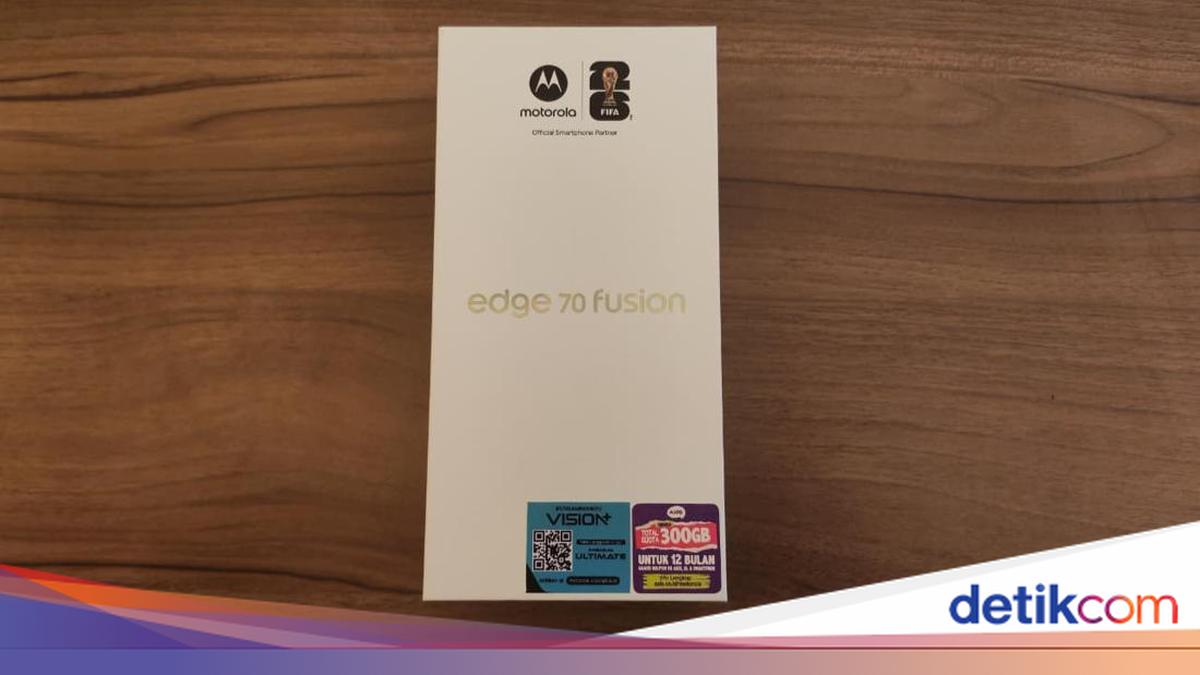
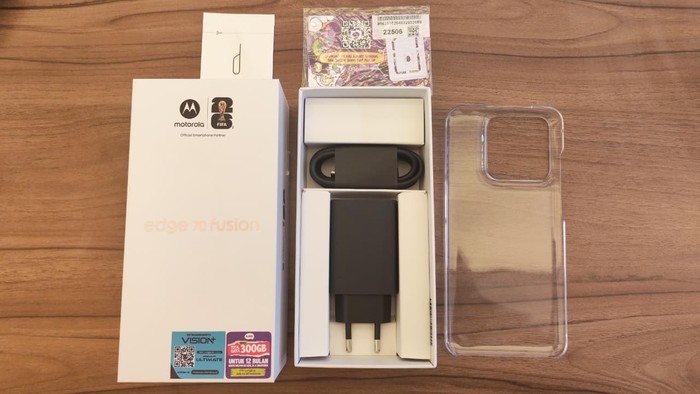
Jakarta, Indonesia – Motorola today officially unveiled its latest mid-range smartphone, the Motorola Edge 70 Fusion, to the Indonesian market. Priced competitively at IDR 5.9 million (approximately USD 365), the device aims to solidify Motorola’s position in the highly contested segment by combining a sleek design with impressive specifications. detikINET was among the first to get an exclusive unboxing experience, providing an early look at what consumers can expect from this new contender.
The Grand Unveiling: A Strategic Entry
The launch of the Motorola Edge 70 Fusion marks a significant move for the brand in Indonesia, a market known for its discerning smartphone users seeking a balance between performance, features, and affordability. Motorola has consistently carved a niche for itself by offering clean Android experiences and robust hardware, and the Edge 70 Fusion appears to be a continuation of this strategy. With a focus on a high-quality display, a versatile camera system, and rapid charging capabilities, the Edge 70 Fusion is poised to attract users who demand a premium feel without the flagship price tag. The device’s introduction into the market is expected to intensify competition, particularly against established players in the sub-IDR 6 million category.
Premium Visuals: A Display Designed for Immersion
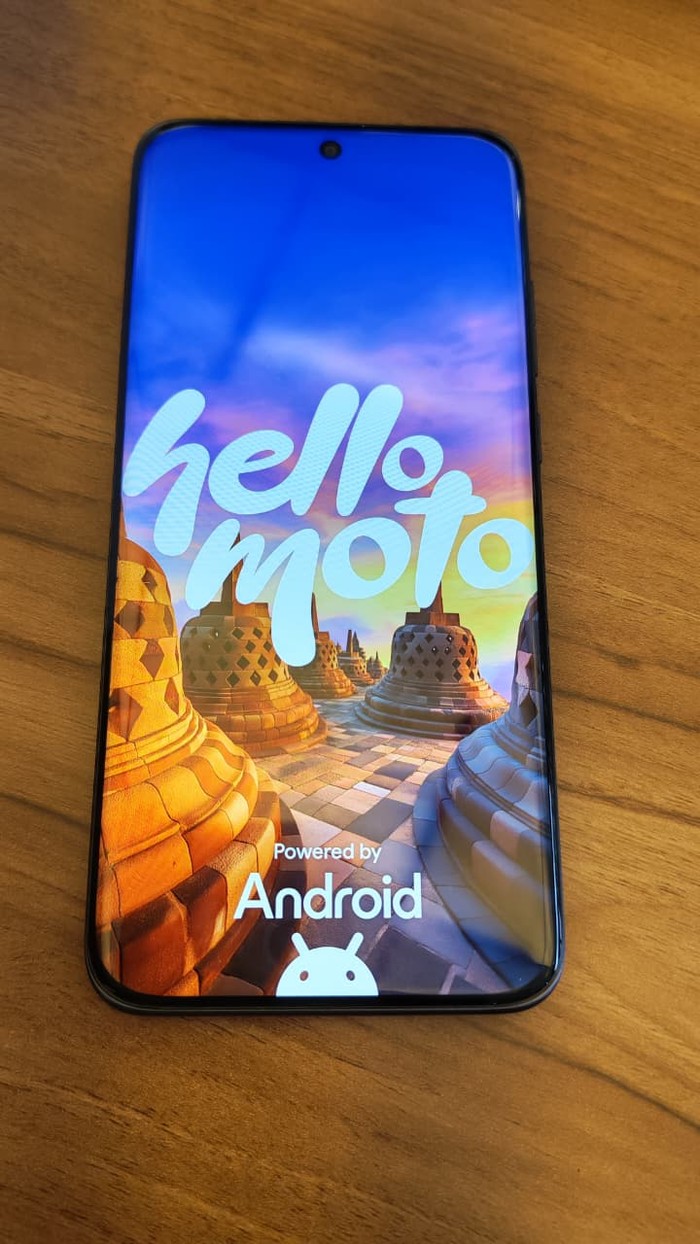
At the heart of the Motorola Edge 70 Fusion’s appeal is its stunning 6.78-inch extreme AMOLED display. This expansive panel promises a visually immersive experience, characterized by vibrant colors, deep blacks, and exceptional contrast, making it ideal for media consumption, gaming, and general browsing. The term "extreme AMOLED" typically denotes a panel that pushes boundaries in terms of color accuracy, brightness, and overall visual fidelity, delivering an experience that often rivals more expensive devices.
Beyond its size and panel type, the display boasts several key features that enhance its performance. With an impressive aspect ratio of 91.50%, the screen-to-body ratio is optimized to provide maximum viewing area, minimizing bezels and creating a more expansive canvas for content. The inclusion of HDR10+ support ensures that users can enjoy high dynamic range content with enhanced detail in both bright and dark scenes, providing a more lifelike viewing experience.
For fluidity and responsiveness, the Edge 70 Fusion’s display offers a refresh rate of up to 144Hz. This high refresh rate is a significant advantage, particularly for mobile gamers and users who appreciate incredibly smooth scrolling and animations. Compared to standard 60Hz or even 90Hz displays, the 144Hz refresh rate translates to a noticeably more fluid user interface and a competitive edge in fast-paced games. Complementing this, the display reaches a remarkable peak brightness of 5,200 nits. While this peak brightness is typically achieved in specific scenarios for HDR content, it ensures excellent outdoor visibility even under direct sunlight, a crucial feature for users on the go.
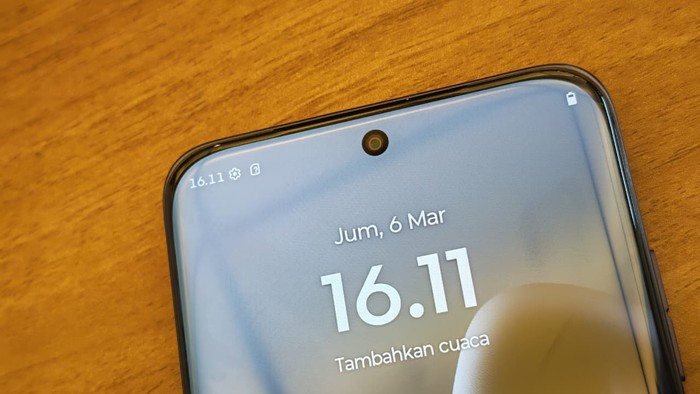
Furthermore, Motorola has prioritized user comfort with certifications such as SGS Blue Light Reduction and SGS Motion Blur Reduction. These certifications indicate that the display is designed to minimize eye strain during prolonged use by reducing harmful blue light emissions and ensuring crisp motion without blurring, contributing to a more comfortable and enjoyable viewing experience across various activities. The curved edges of the display further add to its premium aesthetic, contributing to a more ergonomic feel and a visually seamless design.
Capturing Moments: Advanced Camera System
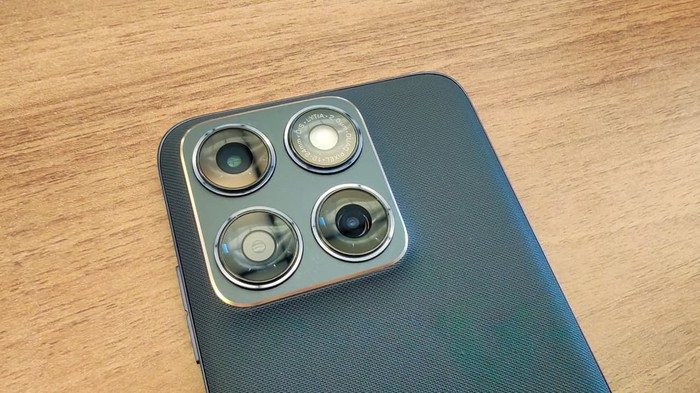
Photography capabilities are a major deciding factor for smartphone consumers, and the Motorola Edge 70 Fusion is equipped with a versatile camera system designed to excel in various lighting conditions and scenarios. The primary camera features a powerful 50 MP sensor, leveraging the Sony LYTIA 710. Sony’s LYTIA sensors are renowned for their advanced imaging technology, which typically translates to superior light gathering capabilities, reduced noise, and improved detail retention, especially in challenging low-light environments. This high-resolution main sensor allows for detailed photos that can be cropped or zoomed without significant loss of quality.
Accompanying the main sensor is a 13 MP ultrawide camera. This lens is perfect for capturing expansive landscapes, large group photos, or architectural shots, providing a broader field of view than the main sensor. The utility of an ultrawide lens in modern smartphone photography is undeniable, offering creative flexibility to users. The rear camera system also incorporates a 3-in-1 light sensor, which likely assists in optimizing color accuracy and exposure, contributing to more natural and balanced images.
For video enthusiasts, the Motorola Edge 70 Fusion supports recording up to 4K UHD at 30 frames per second (fps). This capability allows users to capture high-resolution, professional-looking videos, suitable for sharing on social media or for personal archives. Features such as electronic image stabilization (EIS) or potentially optical image stabilization (OIS) would further enhance video quality by minimizing shakes and jitters, although specific details on stabilization were not provided in the initial unboxing.
On the front, the device houses a 32 MP camera, ensuring high-quality selfies and clear video calls. A high-resolution front camera is increasingly important for users who rely on their smartphones for self-expression and communication. Motorola’s camera software often includes various modes and AI enhancements, such as portrait mode with bokeh effects, night vision, and spot color, allowing users to experiment and elevate their photography skills. The combination of hardware and software aims to deliver a comprehensive and satisfying imaging experience.
Power and Endurance: Performance and Battery Life
Under the hood, the Motorola Edge 70 Fusion is powered by a robust Snapdragon 7-series processor. While the original source mentioned "Snapdragon 7s Gen 4," this is likely a typographical error, as current Snapdragon naming conventions suggest either the Snapdragon 7s Gen 2 or the newer Snapdragon 7 Gen 3. Regardless of the specific generation, a Snapdragon 7-series chip is designed to deliver a powerful and efficient performance, making the Edge 70 Fusion capable of handling demanding applications, graphic-intensive games, and seamless multitasking. These processors are known for their balanced approach, offering excellent performance for daily tasks while being power-efficient to maximize battery life.
The processor is complemented by a generous 8 GB of RAM. This ample amount of RAM ensures smooth transitions between applications, allows for multiple apps to run concurrently without slowdowns, and contributes to an overall fluid user experience. While specific internal storage options were not detailed, devices in this price segment typically offer 128 GB or 256 GB of storage, providing sufficient space for apps, photos, videos, and other files.
Battery endurance is another critical aspect for modern smartphone users, and Motorola addresses this with an expected large-capacity battery (commonly around 5000mAh in this segment, though not specified). More significantly, the Edge 70 Fusion features 68W TurboPower fast charging. This technology allows the device to rapidly replenish its battery, significantly reducing downtime. For instance, a 68W charger can often provide several hours of usage with just a few minutes of charging, a crucial convenience for users with busy lifestyles. The inclusion of the 68W charger directly in the box, as noted in the unboxing, is a welcome addition, saving consumers the extra cost and hassle of purchasing a compatible fast charger separately.
Elegant Aesthetics and Robust Build
The design of the Motorola Edge 70 Fusion is clearly a focal point, emphasizing both elegance and durability. Weighing in at a mere 193 grams, the device is remarkably lightweight for its size, making it comfortable to hold and use for extended periods. The curved screen, as previously mentioned, not only enhances the visual experience but also contributes to a more ergonomic grip, fitting comfortably in the hand.
Motorola has also partnered with Pantone for color validation, indicating a commitment to precise and aesthetically pleasing color choices for the device. This collaboration ensures that the phone’s colors are rich, accurate, and appealing, setting it apart in a crowded market. The materials used in the construction likely blend premium-feeling elements, such as a sturdy frame (possibly plastic or aluminum) and a sophisticated back panel finish, potentially incorporating vegan leather or a matte texture for an enhanced tactile experience and resistance to fingerprints.
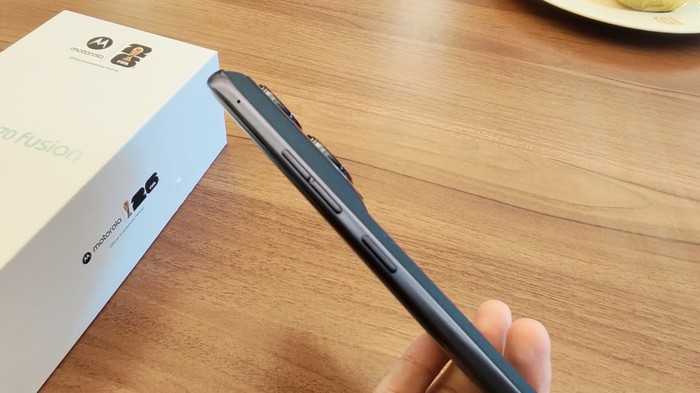
Durability is another hallmark of the Edge series. While not explicitly stated, Motorola’s Edge devices often feature an IP rating for dust and water resistance (e.g., IP68), providing peace of mind against accidental spills and environmental elements. This level of protection adds to the device’s overall value and longevity, making it a more robust companion for daily life. The clean and minimalist design, with the left side of the phone being plain and the right side housing the power and volume buttons, speaks to a thoughtful approach to ergonomics and aesthetics.
Software Experience: Clean Android with My UX
The operating system is a fundamental component of the smartphone experience, and the Motorola Edge 70 Fusion runs on the latest stable version of Android. While the original article’s reference to "Android 16" is a clear future-dated typo (Android 14 is the current stable release, with Android 15 in development), the device is expected to ship with Android 14, complemented by Motorola’s intuitive My UX interface.
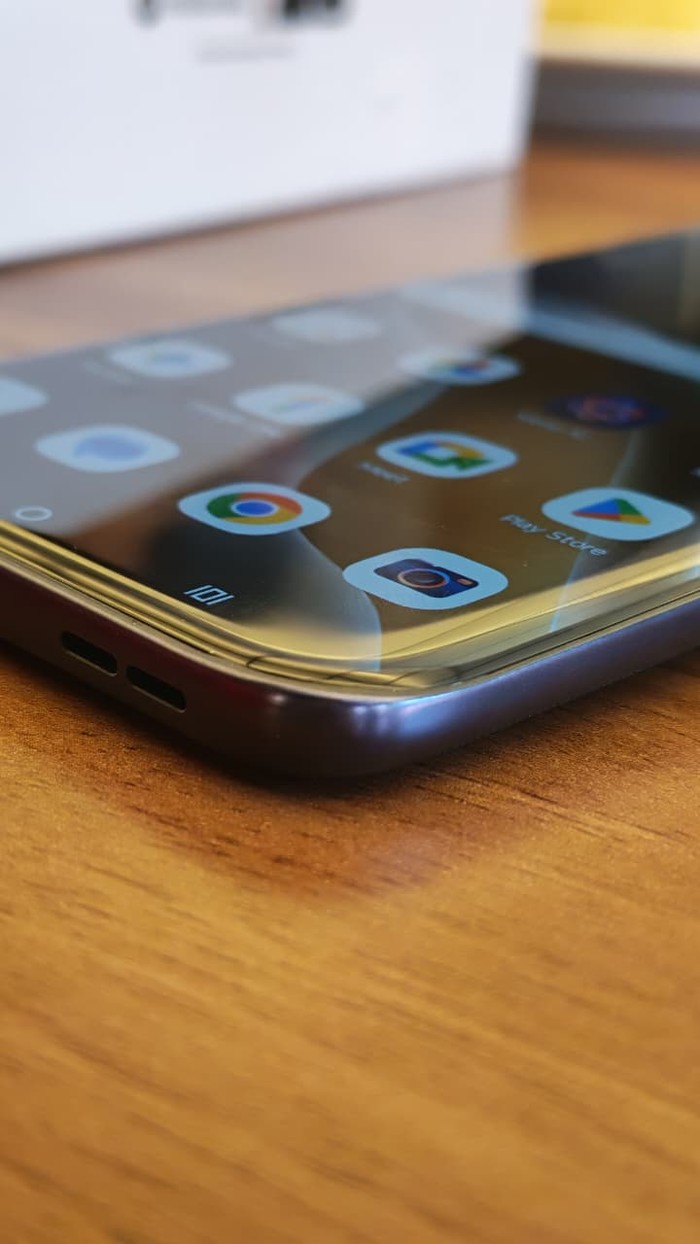
Motorola is widely praised for its near-stock Android experience, which means minimal bloatware and a clean, uncluttered user interface. My UX builds upon this foundation by adding useful Motorola-specific features and gestures without overwhelming the user. These often include "Chop Chop" for flashlight, "Twist" for camera access, and Peek Display for at-a-glance notifications, enhancing usability and efficiency. This approach ensures that users get a fast, responsive, and customizable Android experience, free from unnecessary overlays that can bog down performance.
Furthermore, Motorola typically commits to providing multiple years of Android OS updates and security patches for its Edge series devices. This commitment ensures that the Edge 70 Fusion will remain up-to-date with the latest features, security enhancements, and performance optimizations for an extended period, adding to its long-term value proposition.
Connectivity and Audio Excellence
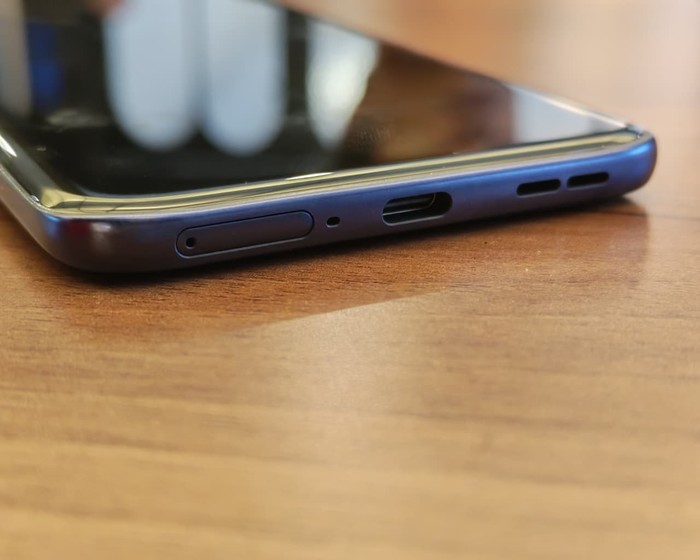
In terms of connectivity, the Motorola Edge 70 Fusion features a USB-C port, which serves as the primary interface for charging, data transfer, and audio output. While a dedicated 3.5mm headphone jack is becoming rarer in modern smartphones, the USB-C port offers versatility for connecting headphones via an adapter or using USB-C compatible audio accessories.
For audio enthusiasts, the device is equipped with Dual Stereo speakers featuring Dolby Atmos technology. Dolby Atmos enhances the audio experience by creating a more immersive, multi-dimensional soundstage, whether through headphones or the built-in speakers. This makes listening to music, watching movies, or playing games on the Edge 70 Fusion a more engaging and high-fidelity experience, delivering clearer dialogue, richer bass, and more distinct sound effects. The combination of a vibrant display and superior audio makes the device an excellent portable entertainment hub.
Motorola’s Strategy in the Mid-Range Market
The launch of the Edge 70 Fusion in Indonesia reflects Motorola’s broader strategy to capture a significant share of the lucrative mid-range smartphone market. This segment is characterized by fierce competition, with consumers increasingly looking for premium features at accessible price points. Motorola’s Edge series, known for pushing boundaries in design and display technology, has been instrumental in this strategy. By offering features typically found in higher-end devices—such as a 144Hz AMOLED display, a capable camera system, and rapid charging—the Edge 70 Fusion aims to differentiate itself from competitors.
In Indonesia, the IDR 5-6 million price bracket is dominated by strong contenders from brands like Samsung (A-series), Xiaomi, Realme, and Vivo. Each brand brings its unique strengths, from extensive retail networks to aggressive marketing. Motorola’s approach, emphasizing a clean Android experience, distinctive design, and robust build quality, appeals to a segment of users who value reliability and a clutter-free software environment. The brand’s legacy in telecommunications also lends it a certain level of trust and familiarity among consumers.
Launch and Market Availability
The official launch in Jakarta today signals the immediate availability of the Motorola Edge 70 Fusion in the Indonesian market. Consumers can expect the device to be available through major online retailers and official Motorola stores, as well as selected offline partners. Typically, new product launches are accompanied by attractive introductory offers, such as bundled accessories, cashback promotions, or special financing options, to incentivize early adoption. These promotions often play a crucial role in initial sales performance and market penetration. Details regarding specific availability dates and launch promotions will likely be announced shortly by Motorola Indonesia.
Expert Insights and Industry Outlook
Industry analysts view the Motorola Edge 70 Fusion as a strategic and well-timed addition to Motorola’s portfolio. "Motorola continues to impress with its Edge series, consistently bringing premium features down to more accessible price points," stated a Jakarta-based tech analyst. "The Edge 70 Fusion, with its stunning display, advanced camera, and competitive pricing, is well-positioned to challenge established leaders in the mid-range segment. Its emphasis on a clean Android experience and robust design will resonate particularly well with users looking for a reliable and aesthetically pleasing device."
The focus on a high refresh rate display and capable processor also suggests Motorola is keenly aware of the growing importance of mobile gaming and media consumption among Indonesian users. The Pantone validation further highlights a commitment to design and user experience, appealing to a segment of the market that values aesthetics as much as performance. The inclusion of a 68W TurboPower charger in the box is also a strong value proposition, as many competitors have started omitting chargers from their retail packages.
Conclusion: A Formidable Contender
The Motorola Edge 70 Fusion emerges as a formidable contender in Indonesia’s highly competitive mid-range smartphone market. With its striking 6.78-inch 144Hz extreme AMOLED display, versatile 50 MP camera system featuring a Sony LYTIA 710 sensor, powerful Snapdragon 7-series processor, and ultra-fast 68W TurboPower charging, it offers a compelling package for its IDR 5.9 million price point. The elegant design, Pantone-validated colors, and a clean Android experience with My UX further enhance its appeal. By delivering a blend of premium features and strong value, Motorola aims to capture the attention of Indonesian consumers seeking a feature-rich smartphone that doesn’t compromise on performance or aesthetics. The Edge 70 Fusion is poised to be a significant player, reinforcing Motorola’s commitment to innovation and user-centric design in the evolving smartphone landscape.
Related posts: