Moh. Zaki Ubaidillah Reveals Parental Prayers as the Secret Behind Indonesia Historic Badminton Gold at Asian Games 2026

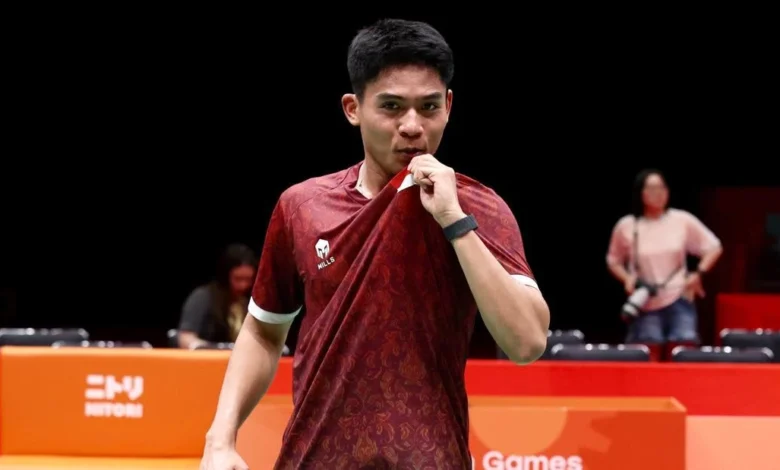
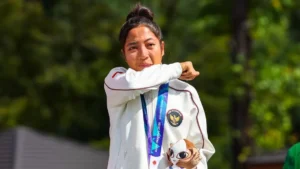
Ichinomiya — In the high-pressure crucible of international team sports, mental fortitude often separates the victors from the vanquished. For the Indonesian men’s badminton team at the Asian Games 2026 in Ichinomiya, Japan, that distinction was embodied by a 19-year-old rising star: Moh. Zaki Ubaidillah. Better known to fans and teammates as Ubed, the young shuttler stepped onto the court in the final match of the men’s team final with the entire nation’s hopes resting squarely on his shoulders. Emerging triumphant, Ubed later pointed to a deeply personal and spiritual anchor that carried him through the storm: the prayers of his parents.
The dramatic conclusion of the men’s team championship match saw Ubed lock horns with China’s formidable Weng Hong Yang. In a display of tactical maturity and poise that belied his tender years, Ubed secured a straight-games victory, winning 23-21, 21-13. This crucial win not only sealed the tie 3-2 for Indonesia but also etched a legendary chapter into the annals of modern Indonesian badminton. Yet, the path to this crowning achievement was fraught with tension, requiring a monumental team comeback and an internal battle against debilitating pre-match nerves.
The Road to the Final: A Historic Team Battle
The journey of the Indonesian men’s team to the pinnacle of the Asian Games 2026 podium was anything but straightforward. Entering the tournament as one of the traditional powerhouses in the sport, the squad bore the heavy expectations of a nation that views badminton not merely as a pastime, but as a matter of national pride. The pressure was particularly acute in the gold-medal showdown against continental powerhouse China, a fixture historically marked by fierce rivalries, tactical chess matches, and psychological warfare.
As the tie unfolded in Ichinomiya, the Indonesian contingent faced a precarious and daunting situation. Early losses in the lineup left the red-and-white team staring at a demoralizing 0-2 deficit. In a best-of-five format, conceding the first two matches meant that the squad was standing on the absolute precipice of defeat; a single subsequent loss would hand the gold medal to their arch-rivals.
However, the resilience that characterizes Indonesian badminton shone through. The middle-order players mounted a spirited recovery, clawing their way back into the contest to level the score at 2-2. The momentum shifted dramatically, setting the stage for a dramatic winner-takes-all showdown in the fifth and final match. The responsibility of closing out the tie fell squarely upon the shoulders of the teenage debutant, Moh. Zaki Ubaidillah.
Conquering Nerves Through Parental Guidance and Team Support
Stepping onto the court as the deciding player in a continental multi-sport games final is a daunting prospect for any athlete, let alone a 19-year-old facing the immense weight of national expectations. Ubed candidly admitted that the hours leading up to the match were fraught with a cocktail of anxiety and anticipation. The psychological burden of knowing that a nation’s gold medal hopes hinged entirely on his performance created an overwhelming sense of tension.
Recognizing the limits of his own emotional endurance, the teenager sought solace and strength where he has always found it: in his family. Speaking through the official channels of the national badminton federation, Ubed revealed that he made a crucial phone call just moments before taking to the court.
"The feelings were mixed; the certain thing was that I was happy, but from the beginning, I had also felt quite tense. Before playing, I managed to call my parents to ask for their prayers and blessing," Ubed shared.
This connection to his roots provided an immediate psychological grounding. In Indonesian culture, the blessing of parents—known as "doa restu orang tua"—holds profound spiritual and emotional significance, often serving as a psychological armor for athletes facing insurmountable odds. Armed with this maternal and paternal backing, Ubed managed to channel his nervous energy into focused aggression.
The psychological support system extended far beyond his family home, radiating directly from the sidelines of the court. Throughout his match against Weng Hong Yang, Ubed was buoyed by an unyielding wall of noise and encouragement from his compatriots. Led by senior players and teammates such as Alwi Farhan, the Indonesian bench transformed into a vocal support unit, offering constant tactical reminders and emotional reassurance between points.
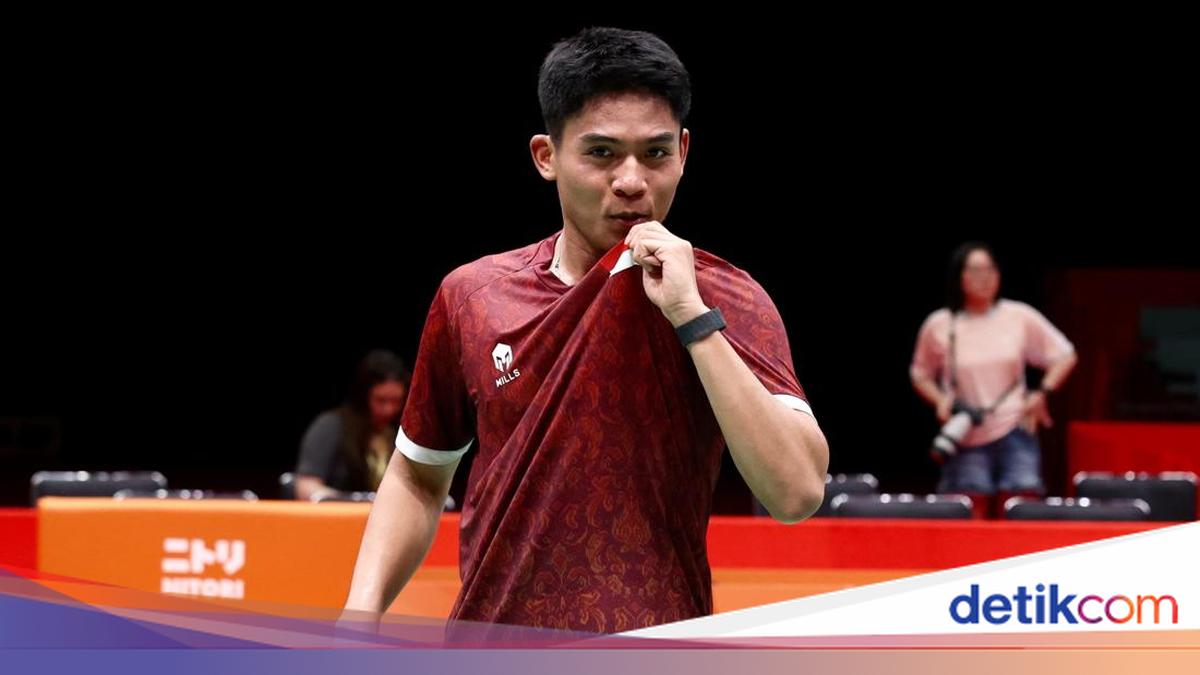
This collective backing proved vital, particularly in a tense first game where Ubed found himself trailing as his opponent reached game point. Rather than succumbing to panic, the teenager recalled the steady stream of encouragement from his teammates, which helped him reset his mental focus.
"In the first game, after my opponent reached game point first, I forced my mind to become much calmer. Alhamdulillah, I was able to turn the situation around," Ubed reflected. "The support of my friends and the team at the back was immensely helpful in easing the tension. I kept trying because I wanted to give my best and did not want to disappoint the team and everyone who had supported me."
Tactical Breakdown of the Decisive Match
Ubed’s victory over Weng Hong Yang was not merely a triumph of willpower; it was a masterclass in tactical adaptation under pressure. Facing an experienced and dangerous Chinese opponent, the young Indonesian had to navigate a perilous first game. Weng utilized his height and powerful smashes to dictate the pace, forcing Ubed into defensive positions and earning multiple game points.
Displaying remarkable court vision and defensive resilience, Ubed neutralized the attack by varying the pace of the rallies, utilizing sharp cross-court drops and pushing his opponent to the back corners with deep clears. By extending the rallies, Ubed managed to frustrate the Chinese shuttler, forcing unforced errors at crucial junctures. Turning a deficit into a 23-21 victory in the opening game broke the psychological resolve of Weng.
In the second game, the momentum had completely shifted. Ubed dominated the court from the outset, displaying an aggressive net play and explosive cross-court smashes that left his opponent scrambling. Maintaining a comfortable lead throughout the game, Ubed closed out the second set 21-13, sealing a historic victory for Indonesia and cementing his status as a clutch performer on the international stage.
Broader Implications for Indonesian Badminton
The triumph of the men’s team at the Asian Games 2026 carries significant implications for the future trajectory of Indonesian badminton. For years, the sport’s governing bodies and passionate fans have fretted over the impending generational transition. As veteran stars approach the twilight of their careers, questions have persistently loomed regarding whether the next generation possess the mental toughness and technical capability to maintain Indonesia’s proud legacy as a global badminton superpower.
Ubed’s heroic performance in Ichinomiya provides a resounding answer to those doubts. By demonstrating the ability to absorb immense pressure, rescue a team from the brink of defeat, and execute under the most intense scrutiny, the 19-year-old has signaled the arrival of a new golden generation. This victory will undoubtedly serve as a massive confidence booster not only for Ubed himself but for the entire cadre of young athletes currently developing within the national training center in Cipayung.
Furthermore, the dramatic nature of the comeback win reinforces the cultural ethos of Indonesian badminton—a sport where grit, fighting spirit (known locally as pantang menyerah), and emotional unity often bridge the gap against technically gifted opponents. The image of the team rallying around their youngest member encapsulates the collective nature of team events, distinguishing them from individual tournaments where athletes bear burdens alone.
Conclusion: A Legacy in the Making
As the echoes of the cheers fade from the arena in Ichinomiya and the Indonesian contingent prepares to return home with their hard-earned gold medals, Moh. Zaki Ubaidillah stands as a symbol of hope and perseverance. His journey from a nervous teenager seeking his parents’ blessing over the phone to a composed champion standing atop the Asian Games podium will long be remembered as one of the defining moments of the 2026 games.
For Ubed, this gold medal is merely the opening chapter of what promises to be a glittering international career. By honoring his family, leaning on his teammates, and conquering his own fears, the young shuttler has not only secured a historic victory for Indonesia but has also written his name indelibly into the rich heritage of world badminton.
Related posts: