Exploring European Destinations for Indonesian Citizens Without Schengen Visa Requirements in 2026

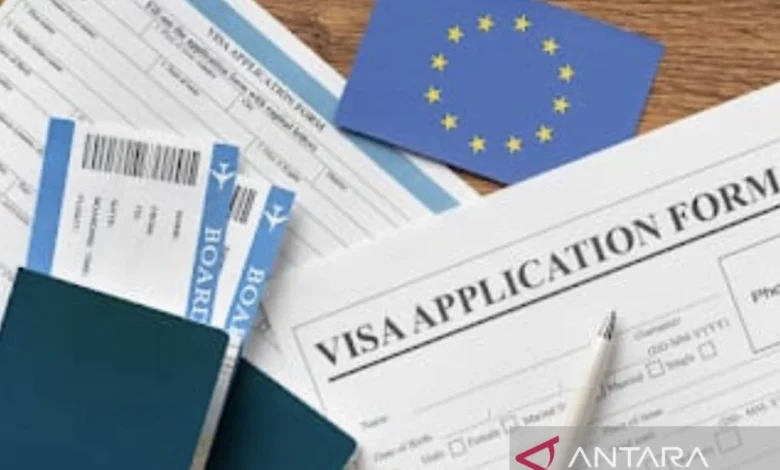
For many Indonesian travelers, the dream of exploring the rich historical tapestry, diverse cultures, and architectural marvels of Europe is often tempered by the daunting administrative hurdle of the Schengen visa. While the majority of the European continent remains under the strict, unified visa policy of the Schengen Area—requiring comprehensive documentation, financial proof, and biometric appointments—there exists a strategic selection of nations that offer more accessible entry points for Indonesian passport holders. As of 2026, navigating these options requires a nuanced understanding of international relations, as some of these nations straddle the geopolitical divide between Europe and Asia, offering a gateway to the West with significantly reduced bureaucratic friction.
The Geopolitical Landscape of Visa-Free Travel
The distinction between "European countries" and "Schengen Area members" is a critical starting point for any international traveler. While France, Germany, Italy, and Spain serve as the core of the Schengen zone, the periphery—particularly in the Balkans and the Caucasus—maintains independent visa policies. These policies are often influenced by bilateral agreements, historical ties, and economic strategies aimed at boosting tourism.
The landscape for Indonesian travelers has evolved over the past five years. Following the post-pandemic recovery phase, several nations sought to revitalize their tourism sectors by easing entry requirements. However, it is essential to distinguish between true visa-free access, where a passport is the only requirement, and "visa-on-arrival" or "e-visa" systems, which still mandate prior registration or payment.
Deep Dive: True Visa-Free Destinations
1. Serbia: The Balkan Gateway
Serbia remains one of the most welcoming European destinations for Indonesians. Under current bilateral arrangements, holders of ordinary Indonesian passports can enter Serbia for up to 30 days within a one-year period without a visa. This policy reflects Serbia’s desire to maintain strong diplomatic ties with non-aligned nations. Belgrade, the capital, has emerged as a premier destination, offering a juxtaposition of Ottoman-era architecture and Austro-Hungarian grandeur. Its strategic location serves as an excellent base for exploring the broader Balkan region, though travelers should note that entering a neighboring Schengen country from Serbia will still require a valid visa.
2. Turkey: Bridging Two Continents
Turkey’s unique position as a transcontinental nation provides a seamless entry point into Europe. Since the landmark policy shift on December 24, 2021, Indonesian citizens have enjoyed visa-free status for tourism and transit purposes for up to 30 days. Turkey’s accessibility has made it a logistical hub for global travelers. From the bustling markets of Istanbul to the historical corridors of Ankara, Turkey serves as a bridge for many Indonesians before they proceed toward their final destinations in Europe. The ease of access is a result of Turkey’s robust investment in its tourism infrastructure and its role as a regional diplomatic power.
3. Belarus: Navigating Administrative Requirements
Belarus offers visa-free access to Indonesian citizens, but this convenience comes with strict procedural requirements. Entry is typically granted for up to 30 days, provided the traveler enters and exits through designated international airports. The government of Belarus has periodically updated these regulations to reflect its security posture, meaning travelers must consult the latest consular notices from the Belarusian Embassy in Jakarta before finalizing their travel itinerary. The historical significance of Minsk and the pristine natural landscapes of the Belovezhskaya Pushcha make it a unique, albeit administratively sensitive, destination.
4. Ukraine: The Challenge of Current Geopolitics
Ukraine has historically provided visa-free access to Indonesian nationals for stays of up to 30 days. While the legal framework remains on the books, it is currently superseded by the harsh reality of the ongoing regional conflict. The Indonesian Ministry of Foreign Affairs consistently issues travel advisories urging citizens to avoid non-essential travel to regions impacted by military activity. While the visa policy itself is a gesture of openness, the humanitarian and safety implications of visiting a nation in a state of war cannot be overstated.
Destinations with Simplified Electronic Entry
Beyond the countries that offer full visa-free status, several nations in the Caucasus region—a vital cultural and geographic bridge between East and West—have implemented streamlined digital entry processes.
Azerbaijan: The E-Visa Mechanism
Azerbaijan has modernized its border control through a robust electronic visa system. Indonesian citizens can obtain a single-entry electronic visa or, in specific, qualified circumstances, receive a visa upon arrival at international airports. This system is designed to facilitate tourism, allowing visitors to explore the capital, Baku, and the historic landscape of the Caucasus without the lengthy wait times associated with traditional embassy-based applications. The shift toward e-visas represents a broader trend in Eastern European and Central Asian nations to embrace digital governance to attract international revenue.
Georgia and Armenia: The E-Visa Mandate
It is a common misconception that Georgia and Armenia are entirely visa-free for Indonesians. In reality, both nations require prior authorization. Georgia, which is a popular destination for its vibrant culture and mountainous scenery, utilizes an official online portal where Indonesian travelers can apply for an e-visa for tourism, business, or medical purposes. Similarly, Armenia requires Indonesian passport holders to secure an e-visa or apply for a visa at a diplomatic mission. These countries offer a "path of least resistance" compared to the rigorous documentation required for a Schengen visa, yet they necessitate proactive planning.
Strategic Considerations for the Global Traveler
For the prospective traveler, the allure of these countries must be balanced against the logistical realities of international travel in 2026. The following pillars of preparation are vital for ensuring a seamless experience:
- Documentation Integrity: Even in visa-free nations, border officials maintain the right to verify the purpose of the visit. Travelers should carry proof of accommodation, sufficient financial funds for the duration of their stay, and a return or onward ticket.
- Health and Security: The importance of travel insurance cannot be overstated. In countries like Ukraine or even remote parts of the Balkans, having comprehensive medical coverage that includes emergency evacuation is a non-negotiable requirement for responsible travel.
- The Schengen Barrier: It is imperative to understand that ease of travel into Serbia, Turkey, or the Caucasus does not grant an automatic right of entry into the Schengen Area. If a traveler intends to enter the European Union, they must adhere to the standard Schengen visa application process. Attempting to bypass these requirements by using a non-Schengen country as an entry point will not exempt the traveler from future border control checks within the EU.
Official Perspectives and Future Trends
The global visa environment is highly fluid. Diplomatic relations, security concerns, and economic initiatives can trigger sudden changes in border policies. The Indonesian Ministry of Foreign Affairs frequently emphasizes that citizens must rely on official channels—such as the "Safe Travel" application or the official websites of foreign embassies—rather than anecdotal evidence from travel forums.
Analysis of recent data suggests that countries are becoming increasingly selective, often utilizing digital platforms to pre-screen visitors. The transition from physical stamps to digital records allows nations to monitor the flow of international visitors more effectively. For Indonesia, the strengthening of the national passport’s reputation remains a priority for the Directorate General of Immigration. As Indonesia continues to forge deeper economic ties with its European partners, there is a hopeful outlook for future bilateral agreements that may expand the list of visa-free destinations.
Summary of Entry Statuses
| Country | Entry Status | Typical Max Stay |
|---|---|---|
| Serbia | Visa-Free | 30 Days |
| Turkey | Visa-Free | 30 Days |
| Belarus | Visa-Free (Conditional) | 30 Days |
| Ukraine | Visa-Free (Subject to Travel Advisory) | 30 Days |
| Azerbaijan | E-Visa / Visa-on-Arrival | 30 Days |
| Georgia | E-Visa Required | Varies |
| Armenia | E-Visa Required | Up to 120 Days |
Final Recommendations for Travelers
Traveling to Europe remains one of the most rewarding experiences for Indonesian citizens, offering exposure to diverse history and geography. While the allure of "visa-free" travel is strong, the most successful journeys are those backed by meticulous research.
- Check Official Portals: Before booking any flights, visit the official government website of the destination country. Visa policies can be updated with minimal notice.
- Verify Transit Policies: If traveling through a hub like Istanbul, ensure that your transit time and the transit zone regulations align with your passport’s visa-free status.
- Maintain Documentation: Always carry a digital and physical copy of your itinerary, proof of funds, and hotel reservations.
- Respect Local Laws: Adhering to the specific requirements of each nation—such as registration at local police stations in certain jurisdictions—is essential to avoid complications.
By choosing destinations that align with current visa-friendly policies and ensuring all administrative steps are handled with precision, Indonesian travelers can enjoy a seamless European experience. The accessibility of the Balkan and Caucasian regions serves as a testament to the evolving nature of global mobility, providing a gateway that is increasingly open to those who take the time to prepare correctly. Whether the goal is the historical exploration of the Balkans or the cultural immersion offered by the Caucasus, the options available in 2026 provide a robust starting point for any international traveler.
Related posts: