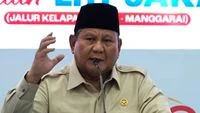
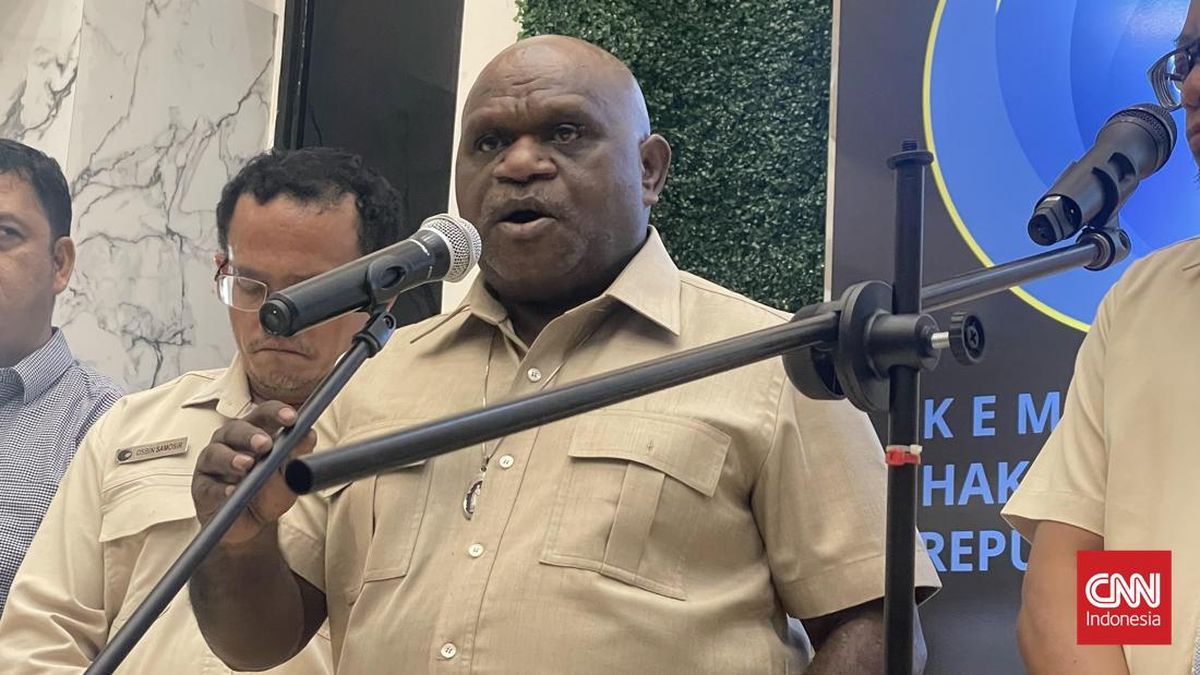
Minister Pigai, addressing a press conference at the Ministry of Human Rights office in Kuningan, Central Jakarta, revealed that a comprehensive data collection effort had confirmed the significant civilian toll. "A total of 15 people died in the Kembru attack," Pigai stated, underscoring the severity of the situation. Beyond the fatalities, the Ministry of Human Rights also recorded that seven individuals sustained injuries during the confrontation. This data, according to Pigai, was meticulously compiled from a variety of sources, including local government officials, community members, and direct testimonies from those wounded in the crossfire. The minister emphasized that the incident had garnered the immediate and serious attention of the Ministry, primarily due to the tragic loss of civilian lives.
The Deadly Encounter in Puncak
The remote and rugged terrain of Puncak Regency, situated in the highlands of Central Papua, frequently serves as a flashpoint for clashes between state security forces and armed separatist groups. Kembru Village, like many other isolated settlements in the region, often finds itself caught in the brutal realities of this protracted conflict. While the precise sequence of events leading to the April 14 engagement remains contested and shrouded in the fog of conflict, what is clear is that the exchange of gunfire between Indonesian military/police units and TPNPB combatants escalated to a point where civilians bore the brunt of the violence. The time of the incident, described by Pigai as occurring between morning and midday, suggests that villagers were likely engaged in their daily routines, making them particularly vulnerable to the sudden outbreak of hostilities. Such daytime clashes are often indicative of either targeted operations or opportunistic ambushes, both of which pose immense risks to non-combatants. The rapid accumulation of 15 fatalities and seven injuries within a single incident highlights the intensity and indiscriminate nature that such conflicts can unfortunately take, especially in areas where lines between combatants and civilians can become blurred or where engagements occur in populated areas.
Minister Pigai’s Urgent Call for Transparency
In response to the alarming casualty figures, the Ministry of Human Rights, under Minister Natalius Pigai’s leadership, has taken the unprecedented step of asserting its intention to assume control over the investigation into the Kembru incident. This move is driven by a deep-seated desire to ensure the process is conducted with the utmost transparency and fairness, ultimately aiming to uncover the truth behind the civilian deaths and injuries. "It is far better for the Ministry of Human Rights to precede the checking of factual data and information; that is much better," Pigai asserted, articulating his rationale for intervention. The Ministry’s involvement is intended to provide an independent and impartial avenue for investigation, thereby fostering greater public trust in the findings.
Pigai further stressed that the local community in Kembru Village likely holds crucial information regarding the perpetrators. Given that the event transpired during daylight hours, he argued, it is highly probable that eyewitnesses among the local populace know who was responsible for the civilian casualties. "The incident happened during the day; the perpetrators are already known. That cannot be debated. The people know the perpetrators, the victims know, those in the community at the location also know. Now, please, do not hide it, it must be revealed," Pigai declared, directly appealing to those with information, including the alleged perpetrators, to come forward and submit to the legal process. This strong statement underscores the Ministry’s commitment to accountability and justice for the victims, a critical step towards building peace and stability in a region long marred by mistrust and unresolved grievances. The Ministry’s objective is to make the full findings of its investigation public, ensuring that society is fully informed about the identity of those responsible for the shootings and their underlying motives.
Background to the Papuan Conflict
The conflict in Papua is one of Indonesia’s most enduring and complex challenges, rooted in a contested history, resource exploitation, and persistent demands for self-determination. Following Indonesia’s independence, the western half of New Guinea, then known as West Irian, was incorporated into Indonesia in the 1960s through a controversial Act of Free Choice. This process, widely criticized by international observers and Papuan independence advocates as flawed and undemocratic, laid the groundwork for a separatist movement that has persisted for decades. The West Papua National Liberation Army (TPNPB) serves as the armed wing of the Free Papua Movement (Organisasi Papua Merdeka, OPM), advocating for an independent West Papua state. Their tactics often involve guerrilla warfare against Indonesian military and police targets, which unfortunately can sometimes lead to unintended civilian casualties or draw state security responses that impact local communities.
The conflict is further complicated by Papua’s immense natural resources, including vast reserves of gold, copper, and natural gas. The exploitation of these resources, often by large multinational corporations in partnership with the Indonesian government, has fueled resentment among indigenous Papuans who feel they have not adequately benefited from the wealth generated on their ancestral lands. Instead, they often face environmental degradation and cultural marginalization. Development efforts, while intended to improve living standards, are frequently viewed with suspicion by local communities who perceive them as a means to solidify Indonesian control and further exploit resources, rather than genuinely empower Papuan self-reliance. This backdrop of historical grievances, economic disparities, and a strong sense of cultural identity contributes to a cycle of violence and mistrust, making incidents like the one in Kembru Village tragic but not entirely unprecedented.
Challenges of Verification and Accountability
Reporting on and verifying incidents in remote conflict zones like Puncak Regency presents significant challenges. Geographic isolation, limited infrastructure, and restricted access for independent observers, including journalists and human rights monitors, make it difficult to ascertain facts swiftly and comprehensively. Information often travels slowly and is filtered through various channels, making corroboration arduous. In such environments, conflicting narratives from the involved parties – the TPNPB, Indonesian security forces, and local communities – are common, each offering a version of events that aligns with their respective agendas.
The Ministry of Human Rights’ decision to take over the investigation is therefore crucial, as it signals an attempt to cut through these layers of obfuscation. However, even with the Ministry’s commitment, the investigative process will likely face hurdles, including gaining full cooperation from all parties and ensuring the safety of witnesses. Previous incidents of civilian harm in Papua have often resulted in lengthy investigations, if any, and sometimes a lack of clear accountability, further eroding trust between the state and its Papuan citizens. The sheer remoteness of Puncak Regency, with its sparse population and challenging terrain, means that independent oversight can be intermittent, leaving local communities vulnerable and their pleas for justice often unheard by the wider national and international communities. This isolation also impacts the delivery of humanitarian aid and the provision of support for internally displaced persons, who frequently flee their homes following such violent outbreaks, only adding to the humanitarian crisis in the region.
Reactions and Calls for Justice
While specific reactions from other parties directly following Pigai’s press conference were not immediately detailed in the original report, typical responses from various stakeholders can be logically inferred based on patterns observed in similar incidents in Papua.
- Indonesian Security Forces (TNI/Polri): Security forces often issue statements emphasizing their mandate to protect national sovereignty and maintain law and order, countering separatist movements. In cases involving civilian casualties, they might claim that TPNPB operates among civilians, making distinctions difficult, or accuse the TPNPB of using civilians as human shields. They might also pledge to investigate any alleged misconduct by their own personnel, though the outcomes of such internal investigations have historically faced scrutiny from human rights groups for a perceived lack of transparency or insufficient accountability.
- West Papua National Liberation Army (TPNPB): The TPNPB would likely deny responsibility for civilian deaths, attributing them to indiscriminate actions by Indonesian security forces. They often frame their actions as legitimate resistance against an occupying force and portray themselves as protectors of the Papuan people, despite incidents where their actions may also lead to civilian harm. They might also claim that any civilian casualties were unintended consequences of direct engagements with the military.
- Local Government Officials: Regional leaders often find themselves in a precarious position, caught between central government directives and the needs of their local communities. They typically appeal for peace, stability, and humanitarian assistance for affected populations. They might also express support for investigations, hoping for clarity and justice for their constituents, while carefully navigating the political sensitivities of the conflict.
- Human Rights Organizations and Civil Society Groups: Both national and international human rights organizations consistently call for independent and thorough investigations into all allegations of human rights abuses in Papua, particularly those involving civilian casualties. They advocate for greater access for humanitarian aid, protection for civilians, and an end to the cycle of violence. They frequently highlight the need for accountability for all perpetrators, regardless of affiliation, and stress the importance of addressing the root causes of the conflict through dialogue rather than solely military approaches. The Kembru incident would undoubtedly prompt renewed calls for the Indonesian government to open Papua to independent monitoring and to uphold its international human rights obligations.
Socio-Political Implications
The Kembru incident, with its tragic civilian toll, carries significant socio-political implications for Papua and Indonesia as a whole. Firstly, it further erodes the already fragile trust between Papuan communities and the Indonesian state. Each instance of civilian casualties deepens resentment, fueling separatist sentiments and making reconciliation efforts more challenging. The perception of injustice, particularly when perpetrators are not held accountable, can perpetuate a cycle of violence and impunity.
Secondly, such events inevitably draw international scrutiny to Indonesia’s human rights record in Papua. While the Indonesian government views the Papuan conflict as an internal matter of national sovereignty, international bodies and foreign governments frequently express concern over reports of human rights abuses. This ongoing international attention can exert pressure on Jakarta to adopt more rights-respecting approaches and to allow greater transparency in the region.
Thirdly, the constant threat of violence profoundly impacts the social and economic development of Papua. Fear and instability disrupt daily life, hinder education, impede healthcare delivery, and deter investment, trapping many communities in a cycle of poverty and underdevelopment. The displacement of villagers from their homes, as often happens after such clashes, further exacerbates humanitarian crises, leading to food insecurity, lack of shelter, and increased vulnerability, particularly for women and children. The Kembru incident underscores the urgent need for a shift from a security-centric approach to a more comprehensive strategy that prioritizes human rights, sustainable development, and genuine dialogue with Papuan stakeholders.
Looking Ahead: Pathways to Peace and Justice
The Ministry of Human Rights’ decision to actively pursue an investigation into the Kembru incident represents a critical step towards achieving justice for the victims and potentially fostering greater accountability. For long-term peace to take root in Papua, however, a multi-faceted approach is required. This must include not only transparent investigations into human rights abuses but also sustained efforts to address the underlying causes of the conflict. Meaningful dialogue with Papuan representatives, including those with dissenting views, is essential to build mutual understanding and explore non-violent solutions. Furthermore, economic development initiatives must be genuinely inclusive, empowering local communities and ensuring they benefit equitably from the region’s resources, rather than merely becoming spectators to their exploitation.
The Kembru tragedy serves as a stark reminder of the human cost of unresolved conflict. Minister Pigai’s strong stance and the Ministry’s commitment to transparency offer a glimmer of hope that accountability might finally be achieved for the civilians caught in the crossfire. Ultimately, the path to peace and justice in Papua will require unwavering political will, genuine empathy, and a sustained commitment from all parties to prioritize human lives over political and territorial disputes. The eyes of both the nation and the international community will remain fixed on the Ministry’s investigation, hoping that it will not only shed light on the truth of April 14 but also pave the way for a future where such tragedies are prevented, and the rights and dignity of all Papuans are upheld.