Toyota Motor Manufacturing Indonesia (TMMIN) has significantly expanded its vocational high school (SMK) mentorship program by extending its reach to the island of Lombok, West Nusa Tenggara (NTB). This latest initiative sees the automotive giant donating two crucial car engines as practical learning tools for students at two vocational schools in the region. The contribution aims to bridge the gap between academic learning and the practical demands of the automotive industry, fostering a more skilled and industry-ready workforce.
Bridging the Skills Gap: TMMIN’s Commitment to Vocational Education
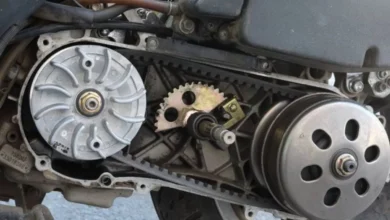
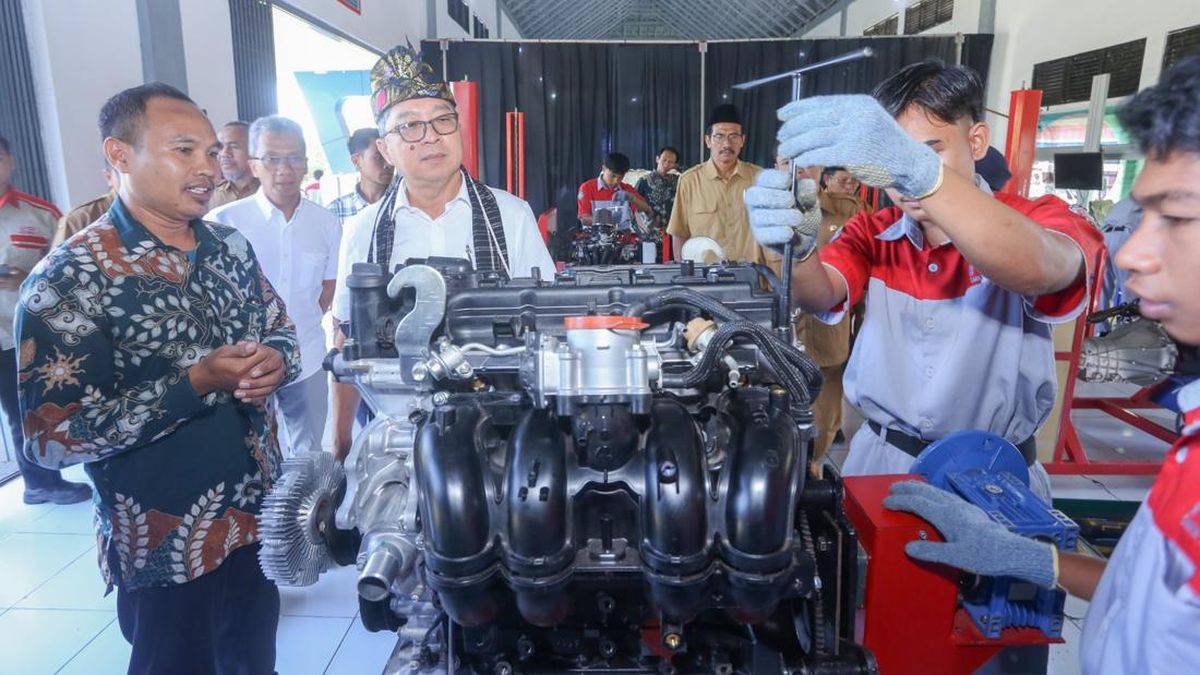
The engines, vital components for hands-on learning in automotive engineering, were delivered to SMKN 1 Jonggat in Central Lombok and SMKN 2 Kuripan in West Lombok. SMKN 1 Jonggat received a gasoline engine, specifically the 2TR model, while SMKN 2 Kuripan was equipped with a 2GD diesel engine. These engines will serve a dual purpose: acting as essential practice equipment and as visual aids to enhance the learning experience for automotive students. This direct intervention by TMMIN underscores a proactive approach to addressing the evolving needs of the automotive sector and ensuring that vocational graduates possess the contemporary skills demanded by employers.
The strategic expansion to Lombok signifies TMMIN’s broader commitment to national development through education. This move is not an isolated event but part of a comprehensive Corporate Social Responsibility (CSR) strategy focused on elevating the quality of vocational education across Indonesia. By providing industry-standard equipment, TMMIN aims to immerse students in a learning environment that closely mirrors real-world industrial conditions, thereby accelerating their skill development and practical understanding.
A Collaborative Approach to Skill Development
Nandi Julyanto, President of TMMIN, emphasized the critical role of cross-sector collaboration in enhancing vocational education. He stated that while the donation of engines might seem like a small gesture, it represents a significant investment in the future of these students. "This step may seem simple, but we hope it can be part of their journey to grow, contribute, and make a difference in their respective regions," Julyanto remarked during the handover ceremony. This sentiment highlights TMMIN’s long-term vision, viewing this initiative as an investment in human capital that will benefit local communities and the nation’s economy.
The program aligns with a growing recognition of the importance of vocational training in a rapidly industrializing nation like Indonesia. Vocational graduates are essential for filling the skilled labor demands of various sectors, including the burgeoning automotive industry. TMMIN’s involvement is a testament to the belief that industry leaders have a responsibility to actively participate in shaping the future workforce. By engaging directly with educational institutions, TMMIN can ensure that the skills being taught are relevant, up-to-date, and aligned with the technological advancements and operational standards prevalent in the automotive manufacturing landscape.
Beyond Equipment: A Holistic Mentorship Program
TMMIN’s engagement extends beyond the mere provision of equipment. The company actively implements its "Vocational School Development" program in its partner schools. This comprehensive program encompasses several key areas designed to create a more robust and industry-aligned educational experience. These include:
- Industry-Based Curriculum Development: Collaborating with educators to refine curricula, ensuring that learning objectives and content are directly relevant to the current and future needs of the automotive industry. This involves incorporating the latest technologies, diagnostic procedures, and maintenance practices.
- Provision of Learning Aids: Supplementing the donated engines with other essential learning resources, which could include diagnostic tools, training manuals, and simulators. This holistic approach ensures that students have access to a full spectrum of learning materials.
- Implementation of Industrial Work Culture: Introducing students to the principles of lean manufacturing, quality control, safety protocols, and teamwork – elements that are fundamental to success in an industrial setting. This helps to instill a professional mindset and prepare students for the demands of a structured work environment.
Julyanto further elaborated on the symbiotic relationship between education and industry, stating, "Schools prepare the competencies, and industry shapes them. TMMIN wants to be a part of that process." This philosophy underscores TMMIN’s role not just as a donor but as an active partner in the educational journey of these young individuals. The company’s involvement aims to create a seamless transition from the classroom to the workplace, minimizing the learning curve for new hires and enhancing their immediate contribution to their employers.
A Track Record of Educational Investment
The expansion to Lombok marks a significant milestone, building upon TMMIN’s established presence in vocational education. Prior to this initiative, the company had already nurtured a network of 29 vocational schools across Java. This extensive experience has provided TMMIN with valuable insights into the challenges and opportunities within vocational education, allowing them to refine their program and tailor their interventions for maximum impact.
The extension of the program to NTB is a deliberate strategy to democratize access to advanced learning facilities. By bringing its expertise and resources to regions beyond the traditional industrial hubs, TMMIN aims to create a more equitable landscape for vocational education. This ensures that students in diverse geographical locations have the opportunity to acquire skills that are competitive in the national and potentially international job markets. The presence of TMMIN in Lombok is expected to catalyze local economic development by producing a pipeline of skilled technicians and engineers who can contribute to the growth of local automotive-related businesses and industries.
Implications and Broader Impact
The initiative by TMMIN has several significant implications for the Indonesian vocational education landscape and the automotive industry:
- Enhanced Employability of Graduates: By providing practical training with industry-standard equipment and aligning curricula with industry needs, TMMIN’s program directly enhances the employability of graduates. This leads to better job prospects for students and a more qualified talent pool for companies.
- Economic Development in Regional Areas: The expansion to Lombok demonstrates a commitment to regional development. By investing in education in these areas, TMMIN contributes to building local capacity, potentially leading to the establishment or expansion of automotive-related businesses and services, thereby creating local employment opportunities.
- Strengthening the Automotive Ecosystem: A well-trained workforce is crucial for the growth and sustainability of the automotive industry. TMMIN’s efforts contribute to building a robust ecosystem by ensuring a steady supply of skilled labor, which is essential for manufacturing, maintenance, repair, and research and development.
- Role Model for Other Industries: TMMIN’s proactive CSR approach can serve as a model for other industries in Indonesia. By actively engaging in the development of vocational education, companies can play a pivotal role in shaping the nation’s future workforce and driving economic progress.
- Addressing the Skills Mismatch: A persistent challenge in many developing economies is the mismatch between the skills taught in educational institutions and the skills demanded by the labor market. TMMIN’s program directly tackles this issue by ensuring that vocational training is relevant and practical.
The initiative’s success hinges on sustained commitment and ongoing collaboration. As TMMIN continues to expand its vocational school development program, it is crucial to monitor its impact, gather feedback from students and educators, and adapt the program to evolving industry trends and technological advancements. The company’s long-term vision for vocational education in Indonesia appears to be one of continuous improvement and inclusive growth, aiming to empower young Indonesians with the skills they need to thrive in the modern economy. The presence of TMMIN’s high-quality training equipment in schools like SMKN 1 Jonggat and SMKN 2 Kuripan is a tangible step towards achieving this ambitious goal, fostering a generation of skilled professionals ready to drive innovation and contribute to Indonesia’s industrial advancement.