Ministry of Public Works Grapples with Widespread Online Gambling Among 6,300 Employees, Sparking Major Integrity Concerns

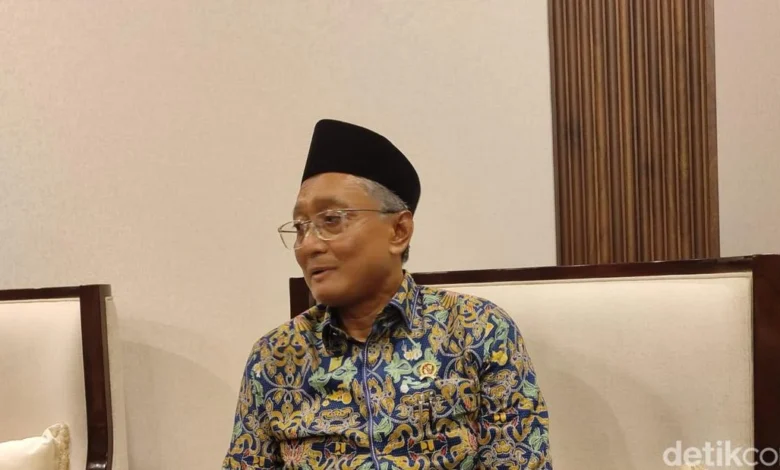
Jakarta is reeling from a significant revelation concerning the integrity of its civil service, as Minister of Public Works (PU) Dody Hanggodo disclosed that approximately 6,300 employees within his ministry are suspected of engaging in online gambling, locally known as "judol." This alarming figure, derived from comprehensive data provided by the Financial Transaction Reports and Analysis Centre (PPATK), has triggered an immediate internal investigation and raised serious questions about financial accountability and ethical conduct within government institutions. The minister’s announcement, made on Wednesday, July 22, 2026, at the Ministry of Public Works office in Jakarta, highlighted the gravity of the situation, particularly given the substantial sums involved in these illicit activities.
The Unveiling: Minister Dody Hanggodo’s Statement and Initial Findings
Minister Hanggodo’s disclosure painted a stark picture of the extent of the problem. According to the PPATK data, the majority of the implicated employees are classified as Echelon IV officials, a mid-level management tier within the Indonesian civil service responsible for supervisory and operational roles. Even more concerning, the list includes individuals who are still in the probationary phase of their careers as Calon Pegawai Negeri Sipil (CPNS), or prospective civil servants, indicating that the issue might be pervasive across different seniority levels. The financial scale of the gambling activities is particularly staggering; Minister Hanggodo revealed that one individual alone was found to have transacted over Rp 800 million (approximately USD 50,000, depending on exchange rates at the time) in online gambling. This figure, attributed to an Echelon IV official, underscores the high stakes and potential for financial distress or illicit enrichment associated with these activities. "From the Head of PPATK, there is judol. And judol here is no small matter, one person can have hundreds of millions [of rupiah] in transactions. It’s not Echelon II, but Echelon IV. The highest is 800-something million for one Echelon IV person," Minister Hanggodo stated, emphasizing the seriousness of the findings and the specific demographic predominantly involved.
PPATK’s Crucial Role in Detecting Illicit Financial Flows
The Financial Transaction Reports and Analysis Centre (PPATK) serves as Indonesia’s financial intelligence unit, mandated to prevent and combat money laundering, terrorism financing, and other predicate crimes. Its role in this case is pivotal, demonstrating its capability to detect suspicious financial activities across various sectors, including the civil service. PPATK collects, analyzes, and disseminates financial intelligence to law enforcement agencies and other relevant authorities. The agency employs sophisticated data analytics and monitoring tools to identify unusual transaction patterns, large cash movements, and other indicators that might point to illegal activities. In the context of online gambling, PPATK tracks transactions flowing to and from known gambling platforms, as well as significant, unexplained deposits or withdrawals that could be linked to gambling proceeds or funding. This proactive monitoring is crucial in a country where online gambling remains illegal but widely accessible, making it a significant challenge for regulatory bodies. The data provided to the Ministry of Public Works is a testament to PPATK’s ongoing efforts to uphold financial integrity and combat illicit financial flows that can undermine national security and public trust.
The Pervasive Threat of Online Gambling in Indonesia
Online gambling has become a persistent and escalating problem in Indonesia, despite stringent legal prohibitions. The government has consistently launched efforts to block access to thousands of gambling websites and applications, but new platforms continually emerge, often circumventing restrictions through virtual private networks (VPNs) and other technological means. The allure of quick money, coupled with easy access via smartphones and the internet, has drawn millions of Indonesians into online gambling, leading to severe social and economic consequences. Reports from various social and economic research institutions frequently highlight the devastating impact on individuals and families, including mounting debts, bankruptcy, increased crime rates, and mental health issues. The scale of the problem is enormous; estimates suggest that billions of rupiah are circulated annually through illegal online gambling networks. For civil servants, engagement in such activities not only violates ethical codes but also raises profound questions about their financial stability and susceptibility to corruption. The fact that thousands of employees in a key infrastructure ministry are implicated underscores the deep penetration of this societal issue into critical government sectors.
Government Employees and Financial Misconduct: A Deeper Dive into the Source of Funds
The revelation of such high transaction values among civil servants has naturally led to pressing questions regarding the source of these funds. Minister Hanggodo himself voiced this concern, stating, "That must be investigated later; it will be the task of the Inspector General to examine, where did these friends get the money to play judol up to hundreds of millions? What we fear is, ‘Oh, this is public money being used.’ But I, once again, cannot be prejudiced against my own staff. That’s why it needs to be examined by the Inspector General." This concern is not unfounded. Civil servants are entrusted with public funds and responsibilities, and any indication of financial impropriety erodes public trust. The salaries of Echelon IV officials, while respectable, are generally not commensurate with discretionary spending of hundreds of millions of rupiah on gambling. This discrepancy immediately triggers suspicion that the funds could be derived from illicit sources, including corruption, embezzlement, or other forms of malfeasance involving public resources. The Indonesian civil service has a strict code of conduct that mandates integrity, professionalism, and accountability. Engaging in illegal activities like online gambling, especially with large sums of money, constitutes a severe breach of these regulations and can lead to disciplinary actions ranging from reprimands to dismissal, and even criminal prosecution if linked to corruption or money laundering.
The Inspectorate General’s Mandate and the Forthcoming Investigation
In response to these alarming findings, Minister Hanggodo has tasked the Inspectorate General of the Ministry of Public Works with conducting a thorough investigation. The Inspectorate General is an internal oversight body responsible for ensuring adherence to regulations, ethical conduct, and efficient use of resources within the ministry. Their mandate includes conducting audits, investigations, and evaluations to prevent and detect fraud, waste, and abuse. The minister outlined a two-tiered approach for the investigation:
- Minor Transactions: For employees with transaction values below Rp 10 million, the approach will be less severe, involving light reprimands, warnings, and minor sanctions. The intent here is perhaps to address casual involvement or those caught in smaller-scale activities without immediately resorting to punitive measures that could disproportionately affect their livelihoods.
- Major Transactions: For employees whose online gambling transactions exceed Rp 10 million, a much deeper and more rigorous investigation will be conducted. This segment of employees, especially those with transactions reaching hundreds of millions, will face intense scrutiny regarding the source of their funds, their financial behavior, and potential links to other illicit activities. "Those below Rp 10 million, well, maybe they can be lightly reprimanded and warned and then given light sanctions. But those above Rp 10 million will likely undergo further in-depth investigation. Basically, we do not want public money to be used improperly," Minister Hanggodo asserted, drawing a clear line between casual involvement and serious potential misconduct.
The Inspectorate General’s investigation will likely involve forensic accounting, interviews with the implicated employees, and cross-referencing financial data with their declared assets and income. If the investigation uncovers evidence that public funds were indeed misused or obtained through corrupt practices, the cases could be escalated to external law enforcement agencies such as the police or the Corruption Eradication Commission (KPK).
Broader Implications for Public Trust and Governance
The scandal at the Ministry of Public Works carries significant implications for public trust in government institutions and the broader framework of good governance in Indonesia. The Ministry of Public Works is a crucial ministry, responsible for developing and maintaining the nation’s vital infrastructure, including roads, bridges, dams, and housing. Any perception of widespread corruption or financial misconduct within such a key institution can severely undermine public confidence in the government’s ability to deliver essential services and manage national resources effectively. This incident also highlights the systemic vulnerabilities within the civil service that allow such activities to proliferate. It underscores the need for more robust internal controls, continuous ethical training, and enhanced financial literacy programs for all government employees. Furthermore, the incident could prompt similar investigations across other ministries and government agencies, potentially revealing a larger, nationwide problem of online gambling among civil servants. Such a scenario would necessitate a coordinated, cross-agency response to safeguard the integrity of the entire civil service.
Reactions and Calls for Accountability
While specific reactions from external parties were not detailed in the original report, it is highly probable that civil society organizations, anti-corruption watchdogs, and public accountability advocates will closely monitor the investigation. They would likely issue statements emphasizing the importance of transparency, thoroughness, and firm action against any implicated individuals, especially if public funds are found to have been misused. There would be calls for the investigation results to be made public, ensuring that justice is served and that the government demonstrates its commitment to upholding integrity. The incident could also spur discussions within parliamentary committees on civil service reform and strengthening oversight mechanisms. The reputation of the Ministry of Public Works, which is vital for attracting investment and executing critical development projects, depends heavily on its ability to address this crisis decisively and transparently.
Preventative Measures and Future Outlook
Beyond the immediate investigation and disciplinary actions, this incident presents an opportunity for the Indonesian government to re-evaluate and strengthen its preventative measures against financial misconduct and illegal activities among civil servants. This could include:
- Enhanced Financial Literacy Programs: Educating employees about the risks of online gambling and promoting responsible financial management.
- Stricter Monitoring and Internal Controls: Implementing more frequent and rigorous internal audits and financial health checks for employees, particularly those in positions vulnerable to corruption.
- Ethical Reinforcement Training: Regularly conducting workshops and training sessions focused on civil service ethics, integrity, and the consequences of engaging in illegal activities.
- Psychological Support: Offering counseling services for employees struggling with gambling addiction, recognizing that addiction is a complex issue that requires support alongside disciplinary action.
- Collaboration with PPATK: Establishing clearer and more regular channels for PPATK to share suspicious transaction data with ministries for early intervention.
- Public Awareness Campaigns: Complementing internal measures with broader public awareness campaigns about the dangers of online gambling.
The challenge of online gambling is multifaceted, encompassing technological, social, and economic dimensions. For the Ministry of Public Works and the Indonesian government as a whole, addressing this issue effectively means not only punishing wrongdoers but also creating a more resilient, ethical, and accountable civil service that is impervious to such illicit influences. The coming months will be critical in determining how the ministry navigates this crisis and whether it can restore faith in its commitment to integrity and responsible governance.
Related posts: