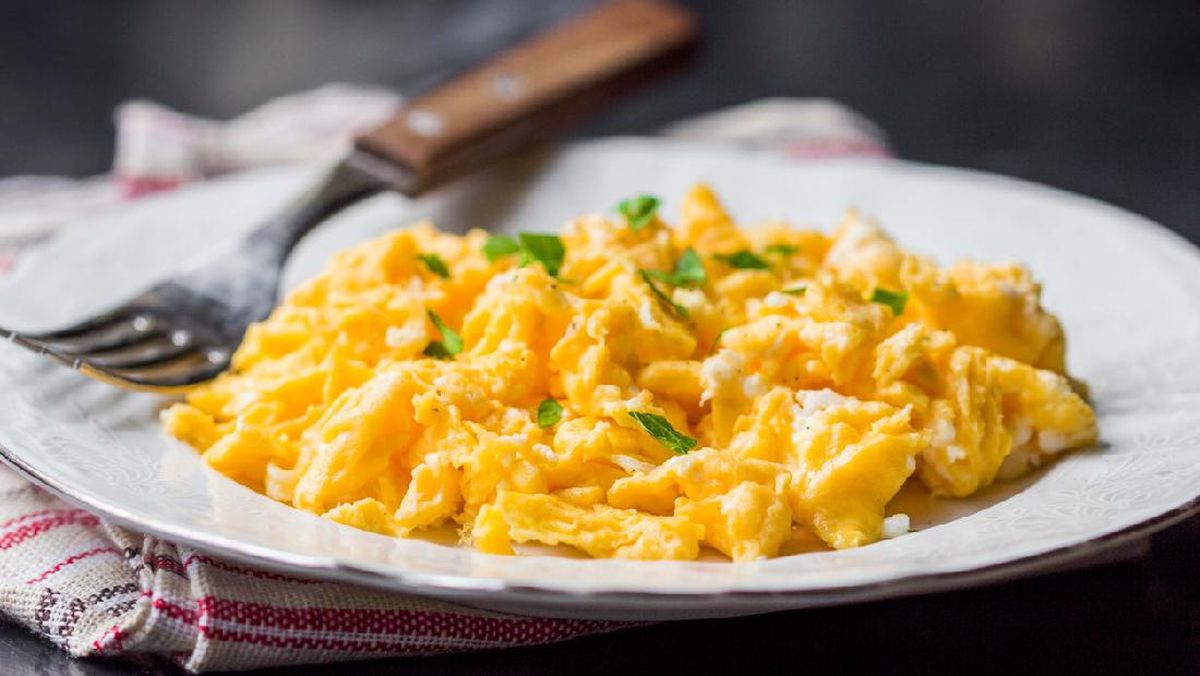
The humble egg remains a cornerstone of global culinary traditions, prized not only for its affordability and versatility but also for its exceptional nutritional profile. As a high-quality protein source, the egg is accessible to a vast demographic, serving as a staple in both domestic kitchens and professional culinary establishments. Despite its apparent simplicity—often reduced to basic preparations like boiling—the art of mastering the scrambled egg is a technical endeavor that frequently eludes home cooks. Many attempts at this classic dish result in textures that are overly dry, rubbery, or excessively granular, failing to achieve the luxurious, velvet-like consistency synonymous with fine-dining restaurants. Achieving that signature "creamy" finish requires a nuanced understanding of egg chemistry, precise temperature control, and specific ingredient manipulation.
The Science of Coagulation and Protein Structure
The culinary science behind the perfect scramble lies in the behavior of egg proteins when subjected to thermal energy. An egg is essentially a complex matrix of proteins and water. When raw, these proteins are folded into compact, individual units. As heat is applied, these proteins begin to denature, unfolding and bonding with one another to form a solid network—a process known as coagulation.
According to research from culinary science institutes, the yolk and the white coagulate at different temperature thresholds. Egg whites typically begin to solidify at approximately 140°F (60°C), while yolks require a slightly higher temperature, closer to 150°F (65°C). If the cooking process is too rapid or the heat is too intense, the proteins bond too aggressively, squeezing out the trapped moisture and resulting in the tough, dry texture often criticized by food critics. Achieving a creamy texture involves managing these variables to ensure the protein network forms slowly and remains hydrated.
Chronology of Culinary Evolution
While eggs have been consumed for millennia, the modern obsession with the "perfect" soft scramble can be traced to the mid-20th century rise of French-influenced fine dining. Historically, scrambled eggs were treated as a quick, utilitarian breakfast food. However, as global food standards evolved, the emphasis shifted toward texture and mouthfeel.
In the 1980s and 1990s, the "slow-scramble" technique began appearing in professional kitchens, popularized by renowned chefs who treated eggs with the same technical rigor applied to delicate sauces. This period marked a transition from high-heat, rapid-cooking methods to the low-and-slow approach that dominates high-end bistro menus today. By the early 2000s, this methodology was codified in culinary textbooks, emphasizing the role of fats—specifically butter and heavy cream—in emulsifying the egg mixture.
Essential Techniques for Superior Scrambled Eggs
To replicate the restaurant-quality experience, home cooks must adopt a disciplined approach that deviates from standard "quick-cook" practices.
Proper Emulsification Through Whisking
The process begins with the initial preparation of the eggs. Whisking is not merely a method of mixing; it is a structural necessity. To ensure the yolk and white are fully integrated, thorough whisking is required until the mixture is uniform and slightly aerated. Failure to do so leads to inconsistent cooking, as the yolk and white will respond to heat at different rates, resulting in an uneven, curdled appearance.
The Role of Salt and Timing
A common point of contention among culinary experts is the timing of seasoning. Scientific analysis suggests that adding salt to eggs prior to cooking is beneficial. Salt acts as a deterrent to the overly tight bonding of protein strands. By seasoning before the heat is applied, the eggs retain more moisture, yielding a tender, delicate result. Conversely, adding salt after cooking can draw moisture out of the already-formed curds, potentially toughening the final dish.
Fat as a Structural Modifier
The addition of heavy cream or full-fat milk serves a dual purpose. Beyond providing richness and flavor, these dairy fats dilute the protein concentration, effectively raising the temperature required for coagulation. This creates a larger margin for error, allowing the eggs to thicken gradually rather than seizing up instantly. Furthermore, the use of high-quality butter is essential. Incorporating butter both at the beginning of the cooking process and finishing with a small knob just before serving adds a silky sheen and a depth of flavor that is characteristic of professional preparations.
Professional Standards and Industry Data
From an industry perspective, the demand for high-quality breakfast items has seen a steady increase. Market research indicates that "premium" breakfast options, including artisanal egg preparations, have become a key performance indicator for breakfast-focused hospitality venues. Restaurants that successfully execute high-quality egg dishes report higher customer satisfaction scores and increased repeat business.
The professional consensus emphasizes "patience" as the primary ingredient. Cooking over low heat allows the chef to manipulate the curds as they form. Instead of allowing the proteins to bond into large, dense clumps, the cook must constantly agitate the mixture, breaking down the forming strands into tiny, soft, and creamy segments.
Analysis of Common Pitfalls
The most significant error identified in domestic cooking is "carry-over cooking." Because eggs contain a high percentage of water, they retain significant thermal energy even after being removed from the heat source. If the eggs appear "perfect" while still in the pan, they will inevitably become overcooked by the time they are plated. The correct practice is to remove the eggs from the heat source while they are still slightly under-set—appearing somewhat "wet" or loose. The residual heat will finish the cooking process on the plate, ensuring the final texture remains creamy rather than granular.
Broader Implications for Nutrition and Food Culture
The movement toward "elevated" home cooking has profound implications for consumer health and culinary education. By mastering techniques like the slow-scramble, home cooks move away from the reliance on pre-packaged or overly processed breakfast alternatives. Eggs, being a nutrient-dense food containing high-quality protein, vitamins D and B12, and essential choline, provide a superior alternative to high-sugar, refined carbohydrate breakfasts.
Furthermore, the rise of the "home-chef" phenomenon has been bolstered by digital accessibility to professional techniques. Platforms such as Serious Eats and The Kitchn have democratized information that was previously restricted to culinary school curricula. This shift has encouraged a more engaged consumer base, one that values technique and quality ingredients. As global food prices fluctuate, the egg remains an essential component of food security, offering a reliable, low-cost, and high-reward ingredient that, when treated with the appropriate scientific and technical care, delivers a standard of quality that rivals the most expensive restaurant menus.
In summary, the transition from an average scrambled egg to an exceptional one is not a matter of expensive equipment or secret ingredients. It is a synthesis of chemistry and patience. By prioritizing slow heat, proper fat integration, and precise timing, home cooks can achieve a level of consistency that transforms a basic breakfast into a culinary highlight. As the industry continues to emphasize quality over convenience, the mastery of these fundamental techniques will remain a hallmark of both professional kitchens and the refined home kitchen. The ability to control protein coagulation is, ultimately, the defining skill of a master egg cook, ensuring that every serving is consistent, luxurious, and technically sound.
Related posts: