Massive Wildfire Rips Through Southern Turkey Resort Region of Antalya Prompting Emergency Evacuation of Hundreds of Homes

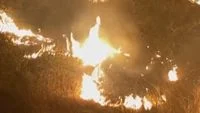
The Mediterranean resort province of Antalya in southern Turkey became the epicenter of a severe environmental emergency as a massive, fast-moving wildfire tore through densely forested terrain, defying containment efforts and raging continuously through a full night of intense firefighting operations. The catastrophic blaze, which ignited under highly volatile meteorological conditions, triggered a massive mobilization of emergency response teams, aerial firefighting assets, and civil protection units as authorities scrambled to protect human lives, secure residential neighborhoods, and prevent widespread infrastructural devastation in one of the country’s most vital economic and ecological regions.
The outbreak of the fire marks yet another alarming escalation in the frequency and intensity of natural disasters plaguing the Mediterranean basin, a geographic zone increasingly recognized by climate scientists as a primary climate change hotspot. As firefighters battled towering walls of flames and dense, choking plumes of smoke that blanketed the horizon, regional authorities implemented strict emergency protocols, enacting the immediate evacuation of hundreds of residential properties situated in the direct path of the advancing inferno. The relentless nature of the fire, fueled by prolonged drought conditions and erratic wind patterns, underscored the profound vulnerabilities facing vulnerable ecosystems and human settlements alike as global temperatures continue their upward trajectory.
Chronology of the Disaster: From Initial Ignition to Overnight Operations
The timeline of the crisis began on Monday evening when local emergency services received the first reports of a localized woodland fire breaking out in the rugged, heavily vegetated rural outskirts of Antalya. Due to the remote and challenging topography of the region, initial ground-based response units faced immediate obstacles in accessing the seat of the fire. By the time primary containment lines were attempted, a combination of low relative humidity, bone-dry vegetation acting as kindling, and shifting nocturnal winds had dramatically accelerated the rate of spread, transforming a localized flare-up into an unmanageable wildfire front.
As Monday night transitioned into the early hours of Tuesday, the fire advanced aggressively toward populated semi-rural communities and outlying neighborhoods. Recognizing the imminent danger posed by the advancing wall of fire, local disaster management authorities escalated the alert level, mobilizing municipal and national emergency response frameworks. Throughout the dead of night, ground crews consisting of hundreds of firefighters, forestry workers, and local volunteers engaged in defensive operations, utilizing heavy machinery to carve out emergency firebreaks and deploying water tankers to protect vulnerable structures.
With the first light of dawn on Tuesday, emergency coordinators launched a massive aerial assault, deploying specialized water-dropping helicopters and fixed-wing firefighting aircraft to target the most inaccessible and ferocious sectors of the blaze. The aerial units operated continuously throughout the daylight hours, executing precision drops of water and fire retardant chemicals directly onto the roaring hotspots. Despite these coordinated efforts, the sheer scale of the fire and the extreme thermal updrafts generated by the burning biomass meant that the blaze remained stubbornly active, compelling authorities to sustain full-scale suppression operations well into Tuesday night.
Evacuations and Human Impact
The overriding priority for emergency management officials throughout the duration of the crisis was the preservation of human life. Given the speed at which the wildfire advanced through the tinder-dry pine forests, local authorities wasted no time in ordering mandatory evacuations for at-risk zones. At least 254 residential homes situated in the direct path of the flames or within high-risk buffer zones were systematically evacuated under the supervision of local law enforcement and civil defense personnel.
Displaced residents were swiftly relocated to pre-established temporary emergency shelters, including community centers, local schools, and municipal buildings equipped with basic humanitarian supplies, medical assistance, and psychological support services. Local authorities and humanitarian organizations coordinated efforts to provide food, water, and bedding to those forced to flee their properties with little more than the clothes on their backs. While municipal officials confirmed that rapid response protocols and early evacuation warnings successfully prevented any immediate fatalities or critical injuries, the psychological toll on the affected communities remains profound. Many residents faced the agonizing uncertainty of not knowing whether their homes, livestock, and agricultural lands would survive the night.
Environmental Background and Supporting Data
To understand the severity of the Antalya wildfire, it is essential to examine the broader environmental context and the specific meteorological conditions that have turned the Mediterranean basin into a zone of heightened vulnerability. Turkey, like its neighbors across Southern Europe and North Africa, has experienced a marked increase in the frequency, duration, and intensity of wildfire events over the past decade.
According to data compiled by European and international forestry monitoring agencies, Mediterranean ecosystems are undergoing a structural shift driven by anthropogenic climate change. Prolonged meteorological droughts, characterized by significantly below-average winter and spring precipitation, have left vast tracts of forested land dehydrated. Compounding this issue are persistent summer heatwaves that push ambient temperatures to unprecedented extremes, creating a high-vapor-pressure deficit in the atmosphere that rapidly strips moisture from soil and vegetation alike.
In Antalya—a region renowned for its dense pine forests, Mediterranean shrublands (maquis), and high ambient summer temperatures—these climatic factors converge to create a high-risk wildfire environment. Scientific assessments indicate that the length of the traditional fire season in Turkey has expanded by several weeks over the past twenty years, with fires now frequently igniting earlier in the spring and persisting deep into the autumn months. The accumulation of dead organic matter on the forest floor, resulting from historical fire suppression practices and insufficient forest management, further loads the environment with combustible fuel, ensuring that when fires do start, they burn with catastrophic intensity.
Official Responses and Institutional Mobilization
The scale of the Antalya wildfire prompted an immediate and high-level response from regional and national governmental bodies. The Disaster and Emergency Management Presidency of Turkey (AFAD), in close coordination with the General Directorate of Forestry (OGM) and local municipal governments, established a unified command center to direct the multifaceted emergency response.
Government officials, speaking from regional coordination headquarters, emphasized that all available state resources had been deployed to combat the blaze. The mobilization included not only local Antalya firefighting units but also reinforcements dispatched from neighboring provinces, bringing specialized equipment, advanced thermal imaging drones, and expert personnel to the frontline. Forestry ministry officials underscored the unprecedented challenges posed by the meteorological conditions, noting that standard firefighting tactics are frequently rendered ineffective when wind speeds exceed critical thresholds and relative humidity plummets to single digits.
In the wake of the disaster, government representatives reiterated their commitment to enhancing national disaster resilience. This includes ongoing investments in modernizing the country’s aerial firefighting fleet, expanding early-warning sensor networks utilizing artificial intelligence to detect smoke and heat signatures in remote forested areas, and increasing public awareness campaigns regarding fire safety during high-risk weather windows.
Broader Socio-Economic and Ecological Implications
The implications of the Antalya wildfire extend far beyond the immediate property damage and the temporary displacement of residents. As a premier global tourism destination and an agriculturally productive region, the economic vitality of Antalya is intimately tied to the health of its natural environment.
Ecologically, the destruction of thousands of hectares of Mediterranean forest represents a severe blow to regional biodiversity. The affected habitats support a diverse array of endemic flora and fauna, including rare mammalian species, reptiles, and migratory birds. While many Mediterranean plant species possess natural adaptations to fire—such as fire-resistant bark or serotinous cones that release seeds only after exposure to extreme heat—the increasing frequency of high-severity fires threatens to exceed the ecological resilience threshold, potentially leading to permanent land degradation, soil erosion, and desertification.
Economically, recurring wildfires pose a direct threat to the tourism industry, which serves as a cornerstone of the regional and national economy. Proximity of fires to major resort infrastructure, scenic landscapes, and historical sites creates immediate cancellations and dampens visitor confidence. Furthermore, the destruction of agricultural lands, citrus groves, and greenhouses inflicts severe financial hardship on local farming communities whose livelihoods depend on seasonal yields.
Conclusion: A Growing Climate Reality
The intense wildfire that gripped Antalya serves as a stark reminder of the mounting challenges posed by global climate change and environmental degradation. As emergency services successfully brought the overnight blaze under control and transitioned into cooling and damage-assessment phases, the event underscored the urgent need for comprehensive, long-term adaptation strategies. Mitigating future disasters will require not only robust emergency response capabilities and expanded aerial firefighting fleets but also proactive landscape management, aggressive carbon reduction policies, and international cooperation to address the root causes of planetary warming. Until these systemic measures are fully realized, communities across the Mediterranean basin will remain on the front lines of an escalating climate emergency.
Related posts: