Jakarta Intensifies Emission Testing Requirements Amid Rising Concerns Over Air Quality and Potential Legal Sanctions for Non-Compliant Motorists

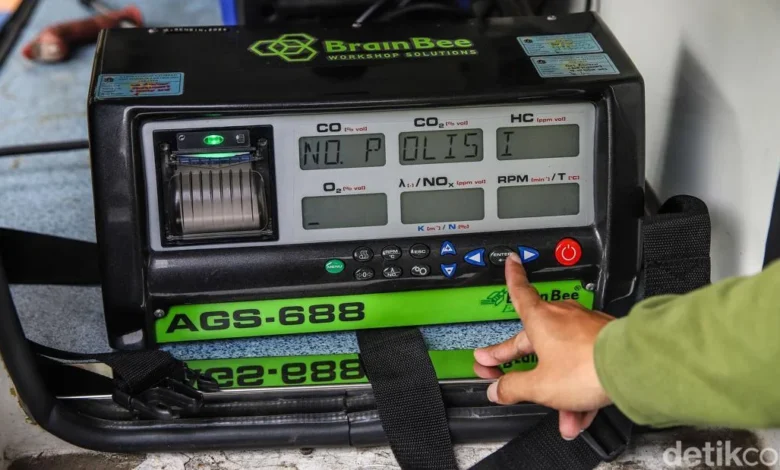
The government of Jakarta is significantly tightening its enforcement of mandatory vehicle emission testing as part of a broader strategy to mitigate the capital’s persistent air pollution challenges. Motorists across the metropolitan area are being urged to prioritize their vehicle maintenance and certification, as authorities have signaled that non-compliance could lead to immediate administrative sanctions, including on-the-spot ticketing by law enforcement agencies.
Okky Rianto, an official from the Jakarta Environmental Agency (Dinas Lingkungan Hidup), underscored the urgency of the situation, noting that police officers are now actively directing non-compliant vehicles toward designated testing stations during routine operations. This policy shift marks a pivotal change from previous voluntary initiatives, signaling a more aggressive stance toward monitoring the environmental impact of the millions of vehicles that traverse the city daily.
Expanding the Infrastructure for Compliance
To accommodate the growing demand for mandatory testing, the Jakarta Environmental Agency has drastically expanded its network of service points. There are currently between 426 and 497 active locations capable of performing standardized emission tests. These facilities include authorized automotive workshops, various district offices of the Environmental Agency, and mobile testing units that provide on-site services during mass testing events.
The strategy behind this expansion is to remove logistical barriers that might prevent vehicle owners from complying. By integrating authorized private workshops into the official reporting system, the government aims to create a seamless experience for motorists, allowing them to complete their mandatory testing alongside routine maintenance schedules.
The Urgency of Environmental Accountability
The motivation behind this crackdown is deeply rooted in the deteriorating air quality index (AQI) of Jakarta. Scientific data consistently points to the transportation sector as a primary contributor to nitrogen oxides, particulate matter (PM2.5), and volatile organic compounds circulating in the city’s atmosphere.
Government officials argue that the 10-minute testing process is a minor inconvenience compared to the long-term public health costs associated with chronic exposure to vehicular emissions. By ensuring that only engines operating within established emission thresholds remain on the road, the city intends to reduce the concentration of pollutants that contribute to respiratory ailments and environmental degradation.
Step-by-Step Guide to Vehicle Emission Testing
For those unfamiliar with the process, the procedure is designed to be efficient and data-driven. The preparation required by the motorist is minimal, requiring only the presence of the vehicle and its official registration document, known locally as the STNK (Surat Tanda Nomor Kendaraan).
The technical workflow for testing involves several critical stages:
- Preparation and Identification: Upon arrival at a testing facility, the vehicle’s engine is started to reach operating temperature. Technicians verify the fuel type, as different combustion characteristics—gasoline versus diesel—require specific calibration parameters.
- Digital Integration: The testing equipment is connected to a centralized digital database. For vehicles registered within the Jakarta jurisdiction, the system automatically pulls data from the local tax and registration authority (BAPEDA), eliminating the need for manual data entry of vehicle identification numbers. For out-of-town vehicles, technicians perform a manual input of the chassis and engine numbers to ensure accurate tracking.
- Calibration and Sampling: Before testing begins, the diagnostic machine undergoes an automated calibration process to clear residual gases from previous tests, ensuring the accuracy of the new readings. A probe is then inserted into the tailpipe to capture exhaust samples while the engine idles.
- Analysis and Results: The diagnostic software measures specific parameters, most notably Carbon Monoxide (CO) and Hydrocarbons (HC). These are compared against the legal threshold limits defined by the provincial government.
- Certification: Once the analysis is complete, the system generates a pass or fail status. If the vehicle meets the required standards, a certificate is issued and recorded in the digital database. If the vehicle fails, the owner is advised to perform engine maintenance before returning for a re-test.
Chronology and Policy Evolution
The push for mandatory emission testing is not a sudden development but rather the culmination of years of environmental policy evolution. Following several seasons of particularly poor air quality, the Jakarta provincial government began drafting stricter regulations to curb emissions.
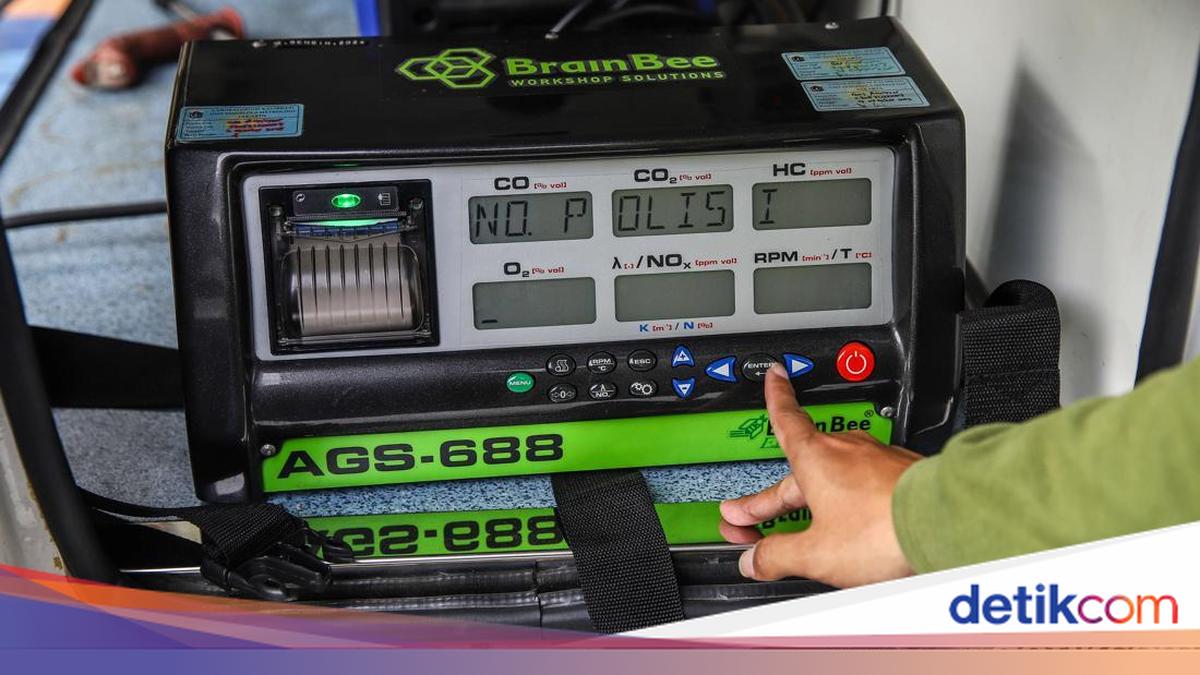
Throughout 2023 and 2024, the government shifted from a period of socialization—where the focus was on public awareness and voluntary testing—to a phase of active enforcement. The introduction of potential ticketing for non-compliance represents the latest stage in this timeline, moving from "encouraging" participation to "mandating" it through the threat of administrative penalties.
Supporting Data and Environmental Impact
The correlation between vehicle age, maintenance, and emission levels is well-documented. Older vehicles, or those that have not undergone regular engine tuning, often release disproportionately higher levels of pollutants.
According to reports from the Jakarta Environmental Agency, the mass testing events held at municipal sites, such as the recent initiatives in North Jakarta, have seen high participation rates. These events serve as a barometer for public readiness. By providing these services free of charge or at subsidized rates, the government hopes to encourage proactive behavior rather than reactive compliance after being pulled over by the police.
Broader Implications for Urban Mobility
The policy has far-reaching implications for the automotive industry and urban planning in Jakarta. Authorized workshops that have gained certification to perform these tests are seeing increased foot traffic, which supports the local economy. However, there are also broader concerns regarding the equity of the policy. Critics have pointed out that low-income motorists operating older, high-emission vehicles may struggle with the costs of necessary engine repairs required to pass the test.
In response, some policy experts suggest that the government should look into incentive programs, such as discounts on public transportation or subsidies for low-emission vehicle conversions, to ensure that the environmental burden does not fall disproportionately on the most economically vulnerable segments of the population.
Official Perspectives and Future Directions
The stance of the Jakarta government remains firm: the health of the city’s residents is the primary priority. Officials emphasize that the data captured during these tests is not merely for the purpose of enforcement but is also used to build a comprehensive digital profile of the city’s fleet. This data will be instrumental in future urban planning, enabling the government to identify pollution hotspots and tailor traffic management strategies accordingly.
Looking forward, the Jakarta Environmental Agency is expected to continue expanding the number of testing sites. There is also discussion regarding the potential integration of emission test results with other administrative processes, such as annual vehicle tax renewals. Such a move would ensure that compliance is a prerequisite for legal vehicle operation, further institutionalizing the practice of environmental accountability.
Conclusion
As Jakarta navigates the complexities of balancing urban growth with environmental sustainability, the mandatory emission testing program stands as a critical pillar of its climate action plan. For the average motorist, the message is clear: regular maintenance is no longer just a recommendation for vehicle longevity, but a legal and social responsibility. By complying with these requirements, citizens are directly participating in the effort to improve the capital’s air quality and public health outcomes.
With law enforcement increasingly involved in monitoring compliance, the "10-minute check" has effectively become a new standard in the city’s mobility culture. Whether through authorized workshops or mobile mass-testing events, the path to compliance is accessible, and the consequences of delay are becoming increasingly tangible for those who remain outside the system. As the city moves toward a cleaner, more sustainable future, the role of individual vehicle owners in reducing the overall atmospheric load of pollutants will remain a central point of urban environmental policy.
Related posts: