How to Check PBI JK 2026 Status Online via Mobile Phone and Understand the DTSEN Integration

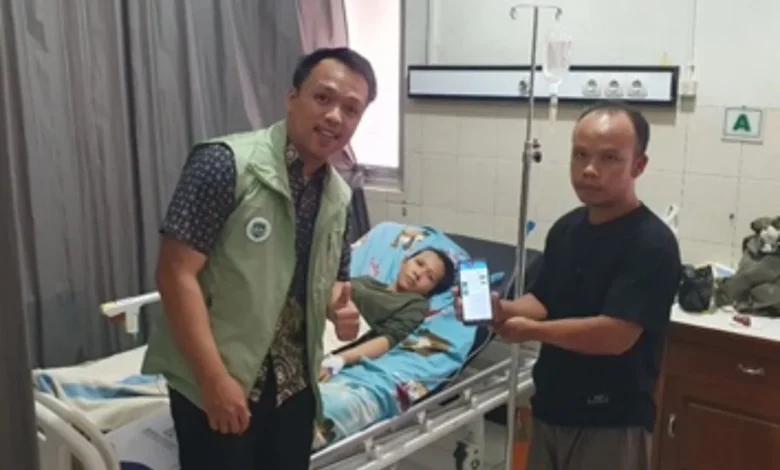
Checking the status of the Penerima Bantuan Iuran Jaminan Kesehatan (PBI JK) program for the year 2026 has become increasingly crucial for low-income households across Indonesia seeking guaranteed access to public health services without out-of-pocket expenses. As the government transitions deeper into data-driven social assistance frameworks, ensuring that one’s health insurance coverage remains active via a mobile phone has transformed into a vital routine for vulnerable populations. This comprehensive guide and analysis examine the mechanisms, digital steps, data integration standards, and broader implications of the PBI JK program under the current administrative landscape.
The PBI JK program serves as a foundational pillar of Indonesia’s National Health Insurance (Jaminan Kesehatan Nasional or JKN) system, specifically targeted toward impoverished and underprivileged citizens who lack the financial capacity to pay monthly health insurance premiums. Under this scheme, the central government assumes full financial responsibility for the participant’s monthly premiums, directly remitting payments to BPJS Kesehatan. Consequently, active beneficiaries can access necessary medical treatments, routine checkups, hospitalizations, and specialized care at designated healthcare facilities without incurring direct medical debt.
In recent years, the government has continually refined the targeting mechanisms for social protection programs to minimize inclusion and exclusion errors. A cornerstone of this modernization is the utilization of the Data Tunggal Sosial dan Ekonomi Nasional (DTSEN)—the National Single Social and Economic Data repository. The DTSEN serves as an integrated federal database that consolidates various social and demographic metrics, allowing the state to evaluate household welfare levels objectively and allocate assistance to the most deserving segments of the population.
However, a common misconception persists among the public regarding the automatic activation of health benefits based solely on socioeconomic data. Policymakers and administrators emphasize that simply being recorded in a general social database, or falling into a specific welfare tier, does not automatically guarantee an active PBI JK status. Beneficiaries must navigate specific verification pipelines and cross-reference their data through official JKN monitoring channels to ensure their insurance remains valid when medical emergencies arise.
Step-by-Step Guide to Checking PBI JK 2026 Status via Cek Bansos Website
For citizens seeking a straightforward, remote method to verify their social assistance and health insurance standings, the Ministry of Social Affairs (Kemensos) provides a dedicated online portal. This system eliminates the need for beneficiaries to travel long distances to local BPJS Kesehatan branches or regional social offices.
To execute the check using a smartphone browser, individuals can follow a structured procedure:
- Open the mobile browser on a smartphone and navigate to the official Ministry of Social Affairs portal dedicated to social assistance verification (cekbansos.kemensos.go.id).
- Input the required regional geographic data by selecting the appropriate province, regency or city, sub-district (kecamatan), and village or neighborhood (desanya/kelurahan) corresponding to the user’s official Identity Card (KTP).
- Enter the full name of the beneficiary precisely as it appears on their official population registry document.
- Complete the security captcha by typing the verification characters displayed on the screen into the designated field.
- Tap the "Cari Data" (Search Data) button to initiate the system query across the national welfare repository.
Upon completion of the search, the system generates a detailed output displaying historical and current social assistance records. If an individual is designated as a PBI JK recipient, that specific program status appears alongside other relevant welfare allocations. Additionally, the system frequently displays demographic welfare indicators, such as the household’s classified welfare decile.
Alternative Verification via the Mobile Application
Recognizing the widespread use of smartphones, the Ministry of Social Affairs also maintains the official Cek Bansos mobile application available for download on standard mobile operating systems. This application provides a centralized interface for citizens to monitor their welfare status, though it requires initial account registration to safeguard personal data privacy.
To utilize the application:
- Download and install the official Cek Bansos application from a trusted mobile app repository.
- Register a new user account by providing valid identification details, including the National Identification Number (NIK), full name, and valid contact information, followed by account verification via email or SMS.
- Log into the application using the newly created credentials.
- Access the profile or profile-matching menu to review registered assistance programs, including health insurance subsidies.
While these platforms confirm whether an individual is cataloged under the PBI JK framework, administrators strongly advise users to cross-verify their active membership status directly through official BPJS Kesehatan digital touchpoints, such as the Mobile JKN app or the official messaging channels, to ensure the health coverage is fully synchronized and ready for clinical use.
Understanding DTSEN and Household Welfare Deciles
The implementation of the Data Tunggal Sosial dan Ekonomi Nasional (DTSEN) represents a major paradigm shift in how Indonesia manages its social safety net. Rather than relying on fragmented datasets managed by separate ministries, DTSEN consolidates registry information from various national censuses and socioeconomic surveys, such as those conducted by the Central Statistics Agency (BPS) and the National Population and Family Planning Board (BKKBN).
Within the DTSEN architecture, the population is systematically evaluated and categorized into ten distinct socioeconomic brackets known as deciles. Decile 1 represents the poorest ten percent of the population experiencing the highest degree of vulnerability, while higher deciles reflect progressively better economic standing.
While these deciles form the analytical backbone for determining eligibility for subsidized programs like PBI JK, they do not function as instantaneous switches. A household might be situated within a lower decile due to sudden economic shocks, yet administrative lag or specific quota limitations may mean their PBI JK status is still pending reactivation or verification. Consequently, possessing a specific decile ranking is understood as a prerequisite condition rather than an absolute guarantee of immediate, active coverage.
Criteria and Administrative Requirements for PBI JK
Securing and maintaining PBI JK status involves adherence to strict regulatory guidelines established by the government. The primary demographic target consists of Indonesian citizens classified as destitute (fakir miskin) or economically disadvantaged (tidak mampu) who meet the national poverty parameters.
Key elements governing eligibility include:
- Possession of a valid National Identity Card (KTP) and Family Card (KK) registered within the Dukcapil (Civil Registration) system.
- Verification that the household income falls below the established regional minimum threshold or meets the multidimensional poverty criteria outlined in the DTSEN.
- Absence of active employment status in sectors that mandate employer-paid health insurance, such as formal private-sector workers enrolled in PPU (Pekerja Penerima Upah) schemes or civil servants.
For individuals who meet these criteria but find their names absent from the active rolls, administrative pathways exist to request data updates. Citizens can report discrepancies or request data re-evaluation through local village administrative offices (Kelurahan/Desa) or via the local Social Service (Dinas Sosial) office, which holds the authority to propose data rectifications during periodic national data synchronization cycles.
Implications and Broader Impact of PBI JK Integration
The continuous integration between the Ministry of Social Affairs databases and BPJS Kesehatan administrative systems carries profound implications for public health equity and financial protection. By streamlining data flows, the government aims to prevent vulnerable patients from experiencing sudden coverage dropouts—a phenomenon historically known as un-registration, which often leaves chronic disease sufferers and low-income patients financially exposed during medical emergencies.
Experts and social observers note that robust data synchronization protects vulnerable populations from falling through administrative cracks caused by bureaucratic delays or outdated registry information. Initiatives like the LANURI (Reaktivasi PBI JKN) framework implemented by BPJS Kesehatan further demonstrate institutional efforts to restore lapsed coverage quickly for individuals who genuinely require state-funded medical assistance.
Furthermore, the transparent accessibility of these checking tools empowers citizens, reducing reliance on third-party intermediaries and fostering greater accountability in public service delivery. As digital literacy expands across rural and urban demographics in Indonesia, mobile-based verification platforms ensure that the constitutional right to health is supported by accessible, modern, and transparent administrative technology. Ultimately, routine monitoring of PBI JK 2026 status via mobile devices serves as both a practical safeguard for individual healthcare access and a testament to the ongoing modernization of Indonesia’s social protection infrastructure.
Related posts: