Hongqi Expands Its Luxury Footprint in Indonesia with the Grand Opening of Hongqi House Mampang in Jakarta


Jakarta, Indonesia — The landscape of the Indonesian luxury automotive market has officially evolved with the grand inauguration of Hongqi House Mampang in South Jakarta. Following its highly anticipated brand debut in August, the prestigious Chinese luxury vehicle manufacturer Hongqi has decisively reinforced its long-term commitment to the Indonesian archipelago. This milestone establishes the brand’s very first flagship facility in the country, setting a novel benchmark for premium automotive retail, personalized customer service, and cultural integration within the domestic premium sector.
Designed to transcend the traditional transactional nature of standard car dealerships, Hongqi House Mampang functions as a holistic lifestyle hub and an immersive brand sanctuary. The facility has been meticulously curated to cater to an elite clientele that values discretion, individualized attention, and exceptional craftsmanship. By combining world-class automotive engineering with bespoke hospitality, Hongqi aims to redefine what it means to own a luxury vehicle in Southeast Asia’s largest economy.
Strategic Milestone and the Vision Behind Hongqi House
The establishment of Hongqi House Mampang marks a pivotal chapter in the brand’s international expansion strategy. As a marque historically reserved for state dignitaries and top-tier elites in China, Hongqi’s transition into global markets requires a delicate balance of heritage-driven prestige and modern consumer-centric adaptability.
The choice of Mampang, Jakarta Selatan, as the site for the inaugural facility is far from incidental. Situated in one of the capital’s prominent commercial and administrative corridors, the location offers strategic accessibility for high-net-worth individuals, corporate leaders, and automotive enthusiasts residing across the Greater Jakarta metropolitan area.
Andrew Nasuri, Director of Indomobil Group—Hongqi’s strategic partner in Indonesia—elaborated on the conceptual framework driving the flagship’s unique naming and architectural layout. During the grand opening ceremony, Nasuri emphasized that the nomenclature and operational philosophy of Hongqi House are deliberately intended to foster a profound sense of belonging and intimacy for every visitor.
"The naming of Hongqi House aligns seamlessly with the core concept we wish to establish in Indonesia, which is bringing Hongqi closer to our consumers, starting from Mampang as our inaugural home. We want Hongqi House to feel genuinely like a second home," stated Andrew Nasuri in an official corporate statement released on Friday, September 25.
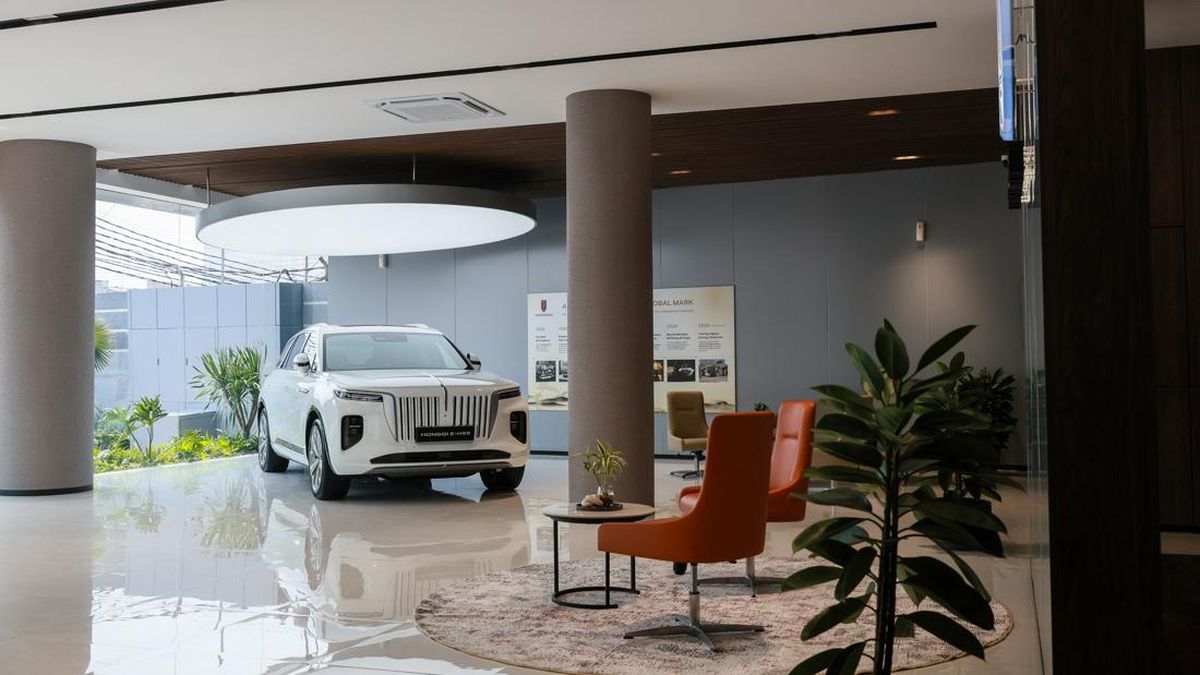
Rather than merely displaying automobiles on a brightly lit showroom floor, Hongqi House Mampang is engineered to serve as a versatile multi-purpose environment. Recognizing the demanding lifestyles of contemporary luxury consumers, the facility incorporates private consultation zones, executive meeting spaces, high-end working areas, and serene lounges. This multifaceted infrastructure ensures that clients can seamlessly integrate vehicle maintenance visits or exploratory product viewings into their demanding daily schedules without friction.
Comprehensive After-Sales Ecosystem and Technical Excellence
While the aesthetic and experiential dimensions of Hongqi House Mampang are striking, the brand’s underlying operational strategy places an equally rigorous emphasis on robust after-sales infrastructure. The introduction of luxury vehicles to a new international market invariably hinges upon the reliability of technical support, parts availability, and the proficiency of maintenance personnel.
To address these critical consumer considerations, Hongqi has integrated a state-of-the-art National Technical Center directly within the Mampang facility. This technical hub operates under strict operational guidelines and is supported by a cadre of highly trained, factory-certified technicians. To ensure absolute adherence to global quality standards, the technical operations are subjected to direct oversight and quality audits by Hongqi’s parent engineering teams in China.
This rigorous approach to post-purchase care is designed to alleviate common consumer apprehensions regarding the ownership of imported luxury vehicles, particularly those featuring advanced new-energy and electrification technologies. By investing heavily in technical training and diagnostic hardware from day one, Hongqi is proactively establishing a reputation for engineering dependability and responsive customer service.
Meinisa, CEO of Hongqi House Indonesia, underscored that the brand’s commercial longevity in the archipelago will not be measured solely by quarterly sales volumes, but by the enduring strength of customer relationships and brand equity.
"For us, to be able to endure and grow sustainably, the focus must extend beyond mere sales figures. It is about how we curate a deeply personal ownership experience and systematically build long-term trust with our valued clientele," Meinisa remarked during the inauguration proceedings.
This philosophy addresses a broader shift within the modern luxury demographic, where discerning buyers increasingly prioritize brand authenticity, personalized stewardship, and frictionless service ecosystems over traditional status signaling.
Cultural Integration and the Philosophy of Neo-Chinese Luxury
In a deliberate departure from standard automotive product launches characterized by conventional ribbon-cutting ceremonies and stark corporate presentations, the inauguration of Hongqi House Mampang was framed as an intimate housewarming event. The celebration was deeply anchored in traditional Chinese arts and philosophy, serving as a living demonstration of the brand’s guiding design ethos: "Neo-Chinese Luxury."
Invited guests, media representatives, and early adopters were immersed in a sensory journey that bridged millennia-old cultural heritage with ultra-modern automotive innovation. The program featured a traditional Chinese tea ceremony—symbolizing respect, hospitality, and the establishment of harmonious relationships—alongside the delicate melodies of the Guzheng, a traditional plucked string instrument whose resonant tones created an atmosphere of refined tranquility.
Furthermore, attendees witnessed master artisans practicing the intricate art of Chinese calligraphy, drawing a parallel between the disciplined, deliberate strokes of classical brushwork and the precise engineering, sleek lines, and meticulous hand-finishing found across Hongqi’s vehicle lineup. This cultural curation served to contextualize the brand’s identity, presenting Hongqi not just as an assembler of high-end machinery, but as a cultural ambassador representing the pinnacle of contemporary Chinese craftsmanship and design sophistication.
At the center of this product showcase stands the Hongqi E-HS9, a commanding fully-electric luxury SUV that serves as the spearhead of the brand’s Indonesian product portfolio. Boasting imposing dimensions, cutting-edge digital cockpit technology, opulent interior materials, and a whisper-quiet electric powertrain, the E-HS9 has been engineered to compete directly with established European luxury flagships. The vehicle exemplifies the Neo-Chinese design language, blending majestic exterior proportions with interior sanctuaries characterized by fine leather, authentic wood veneers, and advanced biometric interfaces.
Chronology of Market Entry and Expansion Roadmap
The journey of Hongqi in the Indonesian market has been characterized by deliberate, strategic pacing designed to maximize market resonance while ensuring operational readiness:
- August: Hongqi formally launches its brand in Indonesia under the stewardship of Indomobil Group, generating substantial curiosity among local automotive enthusiasts and industry analysts regarding its premium positioning and electrification strategy.
- September 25: The official grand opening of Hongqi House Mampang in South Jakarta, establishing the brand’s very first integrated sales, service, and lifestyle flagship facility in the country.
- Post-Launch Phase: Deployment of the National Technical Center and initiation of personalized client engagement programs, laying the groundwork for wider network expansion.
This timeline illustrates a methodical corporate strategy: establishing a strong, centralized brand embassy before scaling out secondary retail points. By anchoring its initial presence in Jakarta’s commercial core, Hongqi has established a high-visibility operational base from which future regional expansions can be launched with confidence.
Broader Economic Implications and Market Dynamics
The official opening of Hongqi House Mampang arrives at a fascinating juncture for the Indonesian automotive sector. In recent years, the domestic market has witnessed a notable diversification of luxury vehicle offerings, driven largely by the accelerating adoption of electric vehicles (EVs) and hybrid technologies supported by government incentives and infrastructure development.
As legacy European luxury brands face increased competition from agile Asian manufacturers, the entry of Hongqi introduces a compelling new dynamic. By fusing state-of-the-art electric mobility with ultra-luxury positioning, Hongqi is strategically targeting an emerging segment of environmentally conscious yet uncompromisingly affluent consumers.
Furthermore, the substantial investment made by Indomobil Group into the Mampang facility signals strong domestic confidence in the viability of ultra-premium Chinese automotive imports. It demonstrates that local distribution giants are willing to commit significant capital to physical infrastructure, signaling to the market that these brands are positioned for long-term endurance rather than short-term opportunism.
The success of Hongqi House Mampang will likely serve as a crucial barometer for other premium Chinese manufacturers evaluating the Indonesian luxury landscape. If Hongqi can successfully bridge the gap between cultural heritage and high-tech luxury—supported by a bulletproof after-sales and technical framework—it could fundamentally reshape consumer perceptions regarding the provenance of high-end automobiles in Southeast Asia.
With the doors of Hongqi House Mampang now officially open to the public, the marque has transitioned from an ambitious market entrant into an active participant in Indonesia’s high-end mobility sector. As the company prepares for subsequent phases of network expansion, all eyes will remain fixed on how this ambitious luxury house executes its vision of redefining premium ownership in the world’s fourth most populous nation.
Related posts: