Doraemon’s Farewell to RCTI’s Official Broadcast Schedule Sparks Nostalgia and Streaming Alternatives

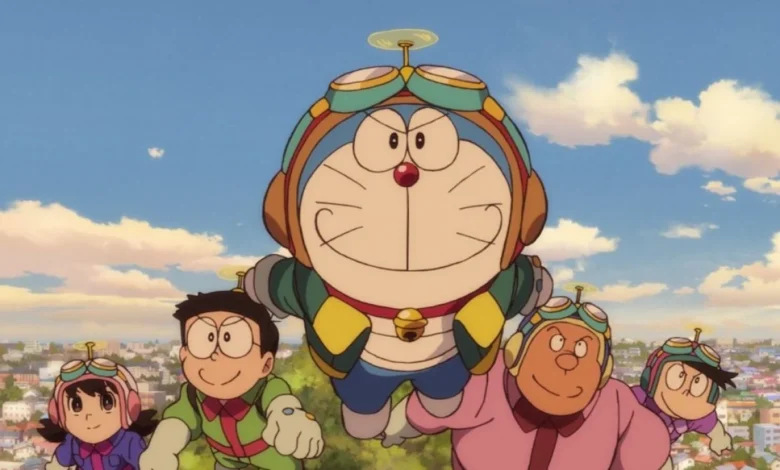
The beloved blue robot cat from the future, Doraemon, a cornerstone of childhood memories for generations across Indonesia, is making a significant shift in its broadcast presence. Starting from the end of December 2025 through the early days of January 2026, Doraemon will no longer be a regular fixture on RCTI’s official broadcast schedule, as indicated by its absence on the platform RCTI+. This development has ignited a wave of discussion and a sense of loss among devoted fans on social media, who have grown accustomed to the iconic anime gracing their screens for nearly four decades.
While the immediate absence from free-to-air television might evoke disappointment, audiences need not despair. For those yearning to relive cherished moments or introduce the heartwarming adventures of Doraemon and Nobita to a new generation, a treasure trove of Doraemon films remains readily accessible. The streaming giant Netflix has secured the rights to several popular Doraemon movies, offering viewers the flexibility to enjoy these animated classics anytime, anywhere. This shift signals a broader trend in media consumption, where traditional broadcast models are increasingly complemented, and in some cases, supplanted by on-demand digital platforms.
A Legacy on Screen: Doraemon’s Enduring Appeal
Doraemon, created by Fujiko F. Fujio, first premiered in Japan in 1973 and quickly captured the hearts of audiences worldwide. The series centers on a robotic cat named Doraemon, who travels back in time from the 22nd century to help a lazy and hapless young boy named Nobita Nobi. Armed with a magical pocket filled with futuristic gadgets, Doraemon aids Nobita in navigating the challenges of school, friendship, and everyday life, often with humorous and heartwarming consequences.
The anime’s enduring popularity in Indonesia can be attributed to several factors. Firstly, its universal themes of friendship, perseverance, and the importance of dreams resonate deeply with viewers of all ages. Nobita’s struggles are relatable, and Doraemon’s unwavering support and ingenious gadgets offer a sense of hope and wonder. Secondly, the characters are distinct and memorable, from the ever-optimistic Shizuka to the boastful Takeshi "Gian" Goda and the intelligent Suneo Honekawa. Their interactions create a rich tapestry of stories that have entertained millions.
For nearly 40 years, RCTI has been a primary gateway for Indonesian audiences to experience these adventures. The daily or weekly broadcasts of Doraemon episodes became a ritual for many families, a consistent presence in the television landscape that fostered a deep sense of familiarity and nostalgia. The news of its departure from this long-standing platform marks the end of an era for many viewers who have grown up with the show.
Social Media Buzz and Fan Reactions
The absence of Doraemon from RCTI+’s schedule did not go unnoticed. Social media platforms were quickly abuzz with expressions of sadness and disbelief. Hashtags related to Doraemon and its departure from RCTI trended, with users sharing personal anecdotes and memories associated with the show. Many expressed a feeling of loss, likening it to a dear friend moving away.
"It feels like a part of my childhood is gone," wrote one user on X (formerly Twitter). Another commented, "I always looked forward to watching Doraemon after school. What will kids watch now?" The sentiment of a shared cultural experience being disrupted was palpable. Fans also lamented the loss of the serendipitous joy of stumbling upon an episode while channel surfing, a pleasure often lost in the curated environment of streaming services.
The Rise of Streaming: Doraemon’s New Digital Home
In response to the public’s concern, media analysts and entertainment platforms have pointed towards the growing importance of streaming services in providing continued access to beloved content. Netflix, with its extensive library and global reach, has emerged as a key destination for Doraemon enthusiasts. The platform currently hosts a selection of feature films that delve deeper into the character’s universe, offering a cinematic experience that complements the episodic television series.
This transition highlights the evolving media landscape. While traditional television broadcasts have historically played a crucial role in content distribution, the advent of streaming has democratized access and offered greater choice to consumers. For content creators and distributors, this means adapting to new models of engagement and revenue generation.
A Glimpse into Doraemon’s Cinematic Adventures on Netflix
For those eager to embark on new Doraemon journeys or revisit old favorites, Netflix offers a curated selection of films. These cinematic offerings often explore more complex narratives and employ higher production values than the television series, providing a richer viewing experience.
STAND BY ME Doraemon (2014)
This groundbreaking film, released in Japan on August 8, 2014, and later in Indonesian cinemas on December 18, 2014, before its television debut on RCTI in 2015, offers a deeply emotional narrative. "STAND BY ME Doraemon" is a CGI animated film that brings a poignant touch to the familiar characters. The story focuses on the bittersweet farewell between Nobita and Doraemon. After Nobita successfully marries Shizuka, Doraemon’s mission to return to the 22nd century is complete. However, the film masterfully weaves together past and present, exploring Nobita’s journey to become a better person and ensure a peaceful departure for his robotic companion. The emotional arc of the film, particularly its exploration of love, loss, and personal growth, resonated strongly with audiences and marked a new direction for Doraemon storytelling. The film’s runtime is 95 minutes.
The cast features the familiar voices of Wasabi Mizuta as Doraemon, Megumi Ohara as Nobita Nobi, Yumi Kakazu as Shizuka Minamoto, Subaru Kimura as Takeshi "Gian" Goda, and Tomokazu Seki as Takeshi Goda. Notable guest voice actors include Satoshi Tsumabuki as adult Nobita.
STAND BY ME Doraemon 2 (2020)
Building upon the success of its predecessor, "STAND BY ME Doraemon 2" was released in Japan on November 20, 2020, and subsequently in Indonesian cinemas on February 19, 2021. This 96-minute film continues the emotional exploration of Nobita’s life. The narrative centers on Nobita’s desire to revisit his childhood and show his beloved grandmother his future wife. However, the timeline becomes complicated when adult Nobita, overwhelmed by the responsibilities of his upcoming marriage, flees on his wedding day. Doraemon and Nobita embark on a journey through time to mend this rift and ensure the wedding proceeds as planned, while also confronting the deeper emotional implications of Nobita’s choices and his relationships.
The cast includes the core voice actors from the first film, with Wasabi Mizuta, Megumi Ohara, Yumi Kakazu, Subaru Kimura, and Tomokazu Seki reprising their roles. The film also features Nobuko Miyamoto as the Grandmother and Satoshi Tsumabuki as adult Nobita.
Doraemon: Nobita’s Earth Symphony (2024)
The most recent cinematic installment available on Netflix, "Doraemon: Nobita’s Earth Symphony," premiered in Japan on March 1, 2024, and arrived in Indonesian theaters on July 17, 2024. Directed by Kazuaki Imai, this 115-minute film takes the audience on an adventure centered around music and environmental preservation. The story follows Doraemon, Nobita, and their friends as they encounter a new character, Mikka, who is searching for talented musicians. Their mission becomes intertwined with a larger quest to save Earth from a malevolent entity aiming to erase music from the universe. This film underscores Doraemon’s ability to adapt its narrative to contemporary themes, such as environmentalism and the power of art.
The voice cast includes Wasabi Mizuta (Doraemon), Megumi Ohara (Nobita), Yumi Kakazu (Shizuka), Subaru Kimura (Gian), and Tomokazu Seki (Suneo). They are joined by Riana Hirano, Cocoro Kikuchi, Kyoko Yoshine, and Koji Kikkawa in supporting roles.
Beyond Netflix: Other Recent Theatrical Releases
While Netflix provides a robust selection of Doraemon films, it’s worth noting that recent theatrical releases may not yet be available on the streaming platform. For instance, "Doraemon The Movie: Nobita’s Art World Tales," which premiered in Indonesian cinemas on July 16, 2025, is currently not listed on Netflix.
This particular film plunges Doraemon, Nobita, and their friends into a mysterious painting using a secret gadget. Within the painted world, they discover the Kingdom of Artoria, a medieval European-inspired realm guarding a legendary gem known as the Artoria Blue. Their quest to find the gem is fraught with peril as they confront a resurfaced legend of world destruction that threatens Artoria. The film serves as a testament to Nobita’s growing courage and his friends’ unwavering loyalty in the face of adversity.
Broader Implications for Media Consumption and Nostalgia
The shift in Doraemon’s broadcast availability reflects a larger trend in the media industry. For decades, television networks like RCTI served as the primary conduits for popular animated content, shaping the viewing habits of entire generations. The gradual migration of content to streaming platforms signifies a fundamental change in how audiences access and engage with entertainment.
This transition presents both challenges and opportunities. For broadcasters, it necessitates a reevaluation of their programming strategies and a focus on exclusive content or unique viewing experiences. For streaming services, it means curating diverse libraries that cater to a wide range of demographics and nostalgia-driven audiences. For fans, it offers unparalleled convenience and choice, allowing them to revisit beloved characters and stories on their own terms.
The enduring popularity of Doraemon, even decades after its inception, speaks volumes about its timeless appeal. The characters, the lessons, and the sheer imaginative power of the series continue to captivate audiences. While its presence on RCTI’s official schedule may be changing, the spirit of Doraemon and its adventures will undoubtedly live on, readily accessible through the digital doors of streaming platforms, ensuring that Nobita’s blue robotic cat remains a cherished companion for years to come. The transition is not an end, but a transformation, adapting to the evolving landscape of entertainment while preserving the magic that has made Doraemon a global phenomenon.