Cellular Health and the Future of Cardiovascular Care: Understanding the Mitochondria-Heart Connection

Cardiovascular disease remains one of the most pressing public health crises of the modern era, casting a long shadow over healthcare systems worldwide, particularly in rapidly developing regions like Asia. For decades, standard preventative cardiology has focused heavily on macro-level indicators: managing systemic blood pressure, regulating low-density lipoprotein cholesterol, maintaining an optimal body mass index, balancing daily caloric intake, and sustaining routine physical activity. While these traditional metrics remain foundational to preventing heart attacks, strokes, and vascular disease, modern medical research is increasingly peering through a high-powered microscope to examine a microscopic landscape that dictates overall cardiac vitality. Deep within the human body, the ultimate responsibility for keeping the heart beating rests not just on lifestyle choices, but on the microscopic engines driving every single cell: the mitochondria.
The heart is arguably the most tireless mechanical marvel in the human body, tasked with pumping approximately 2,000 gallons of blood daily through a vast network of blood vessels without ever taking a moment to rest. To maintain this relentless pace, cardiac muscle tissue demands an astronomical amount of cellular energy. This energy is continuously synthesized by mitochondria, microscopic organelles residing inside cells that convert dietary nutrients into usable chemical energy in the form of adenosine triphosphate (ATP). However, as human populations age, the functional capacity of these cellular powerplants naturally declines. This age-related cellular deterioration is intrinsically linked to a phenomenon known as vascular aging—a progressive stiffening and functional degradation of the arterial system that ultimately compromises cardiovascular resilience.
Understanding the Regional Burden of Cardiovascular Disease in Asia
The urgency to explore cellular-level health interventions is underscored by alarming epidemiological data regarding the global burden of heart disease. According to extensive health studies cited in recent public health educational materials by global nutrition corporations such as Herbalife, the Asian continent alone accounts for an astonishing 61.3 percent of all global cardiovascular disease-related deaths. Furthermore, the overall disease burden—encompassing morbidity, disability, and healthcare utilization—is calculated to be 8.3 percent higher in Asia than the worldwide average.
This disproportionate burden is driven by a complex interplay of demographic shifts and socioeconomic transformations. Across many Asian nations, rising life expectancies have triggered a rapid expansion of the aging demographic. Concurrently, rapid urbanization has ushered in sweeping lifestyle changes, characterized by the widespread adoption of calorie-dense, highly processed diets, sedentary occupations, and escalating chronic stress levels.
For years, major medical institutions, most notably the American Heart Association (AHA), have championed comprehensive preventative frameworks to combat these trends. The AHA famously established eight essential components for maintaining optimal cardiovascular health, colloquially known as "Life’s Essential 8." These pillars include adhering to a nutrient-dense diet, engaging in regular physical activity, abstaining from tobacco and nicotine products, securing restorative and consistent sleep, maintaining a healthy body weight, and strictly managing physiological indicators such as blood glucose levels, blood cholesterol profiles, and blood pressure. While these macro-level pillars are non-negotiable prerequisites for longevity, contemporary cardiological research suggests that achieving true cardiovascular optimization requires looking beyond external habits and examining the intricate biochemical processes unfolding at the cellular level.
The Cellular Powerplant: Mitochondria and Cardiac Bioenergetics
To understand why cellular health is paramount to cardiovascular longevity, experts point directly to the mechanics of bioenergetics. Vipada Sae-Lao, Nutrition Education and Training Lead for Asia Pacific at Herbalife, emphasizes that mitochondria function precisely like high-efficiency power generators within human cells.
"Mitokondria can be conceptualized as the energy-generating plants inside our cells," Sae-Lao explains, noting that these structures continuously transform dietary macronutrients into chemical currency that the body can readily utilize.
The heart muscle, or myocardium, relies almost exclusively on this uninterrupted energy supply. Every single heartbeat requires a synchronized sequence of cellular contraction and relaxation, processes that cannot occur without a continuous, abundant stream of ATP generated by healthy mitochondria. As individuals age, however, mitochondrial efficiency diminishes, leading to oxidative stress, reduced energy output, and structural vulnerability within the cardiovascular tissues.
"Good cardiovascular health begins at the cellular level, specifically within the mitochondria," Sae-Lao states. She underscores the growing clinical interest in identifying specific micronutrients and targeted nutritional compounds that can be integrated into daily regimens to specifically support cardiac function at the microscopic tier.
Alpha Lipoic Acid and Cellular Antioxidant Defense
Among the frontline compounds currently being investigated for their cellular-level protective properties is alpha lipoic acid (ALA). Naturally synthesized in small amounts by the human body and also found in various whole foods, ALA acts as a versatile and potent antioxidant. What makes alpha lipoic acid unique in cellular biology is its exceptional solubility: unlike many other antioxidants that operate exclusively in either water-based or fat-based environments, ALA functions effectively in both cellular compartments.
In addition to directly neutralizing reactive oxygen species that damage cellular components, alpha lipoic acid plays a crucial biochemical role in recycling other vital endogenous antioxidants, including vitamin C and vitamin E, thereby prolonging their protective efficacy within the body.
Dietarily, ALA can be sourced from a variety of green and cruciferous vegetables as well as organ meats. Foods rich in alpha lipoic acid include spinach, broccoli, tomatoes, Brussels sprouts, liver, and kidneys. Despite its presence in common foodstuffs, nutritional scientists note that the bioavailability and absorption rates of dietary ALA are often insufficient to achieve therapeutically significant plasma concentrations in the bloodstream. Consequently, researchers continue to study the clinical utility of concentrated supplementation, though experts caution that individuals should consult qualified healthcare professionals before introducing concentrated supplements into their daily routines.
Nitric Oxide: The Master Regulator of Vascular Tone and Blood Flow
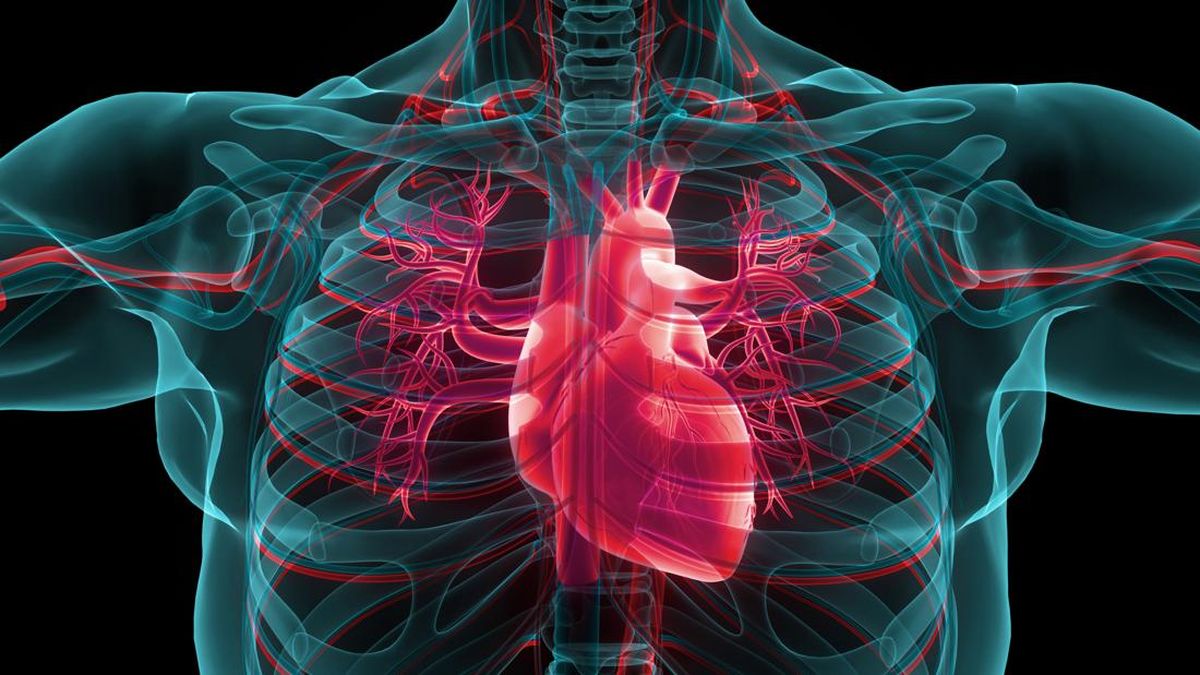
Moving from metabolic energy production to vascular dynamics, another critical molecule takes center stage in cardiovascular health: nitric oxide (NO). This simple gaseous signaling molecule is synthesized continuously by the endothelial cells lining the interior of blood vessels. The primary physiological function of nitric oxide is to signal the smooth muscle cells surrounding arteries to relax, causing the blood vessels to widen—a process known as vasodilation.
By promoting vasodilation, nitric oxide ensures that blood flows smoothly and efficiently throughout the systemic circulation, preventing excessive pressure buildup and reducing the workload on the heart. Beyond its mechanical role in regulating blood pressure, NO exhibits anti-inflammatory properties and helps modulate platelet aggregation, thereby discouraging the formation of pathological blood clots that can trigger heart attacks or ischemic strokes.
Unfortunately, endogenous production of nitric oxide does not remain static throughout a person’s lifespan. Natural nitric oxide synthesis declines significantly with age, a physiological drop exacerbated by modern lifestyle pitfalls such as chronic consumption of pro-inflammatory foods and physical inactivity.
Fortunately, the body possesses intrinsic mechanisms to stimulate NO production. Regular cardiovascular exercise is one of the most potent natural stimulants for endothelial nitric oxide synthase, the enzyme responsible for creating NO. On the nutritional front, dietary nitrates found in abundance in vegetables such as spinach, beetroot, and Brussels sprouts can be converted by the body into nitric oxide, bolstering vascular flexibility.
Furthermore, research highlights the synergistic benefits of consuming specific fruits alongside nitrate-rich foods. Citrus fruits, such as oranges, and antioxidant-rich pomegranates contain compounds that help protect newly synthesized nitric oxide from premature oxidative degradation, prolonging its active lifespan in the bloodstream. Concurrently, dietary sources of the amino acid L-arginine—found abundantly in fish, poultry, and various nuts—serve as the foundational biochemical building blocks that the body utilizes to manufacture nitric oxide, while simultaneously supplying heart-healthy omega-3 fatty acids.
Creatine: Safeguarding Myocardial Energy Reserves
While creatine is widely recognized in sports nutrition circles for its ability to enhance skeletal muscle performance, its biochemical role extends far beyond athletic enhancement, playing a vital part in cardiac bioenergetics. In cardiac tissue, energy demands fluctuate rapidly depending on physical exertion, emotional stress, and metabolic states. To meet these sudden spikes in demand, the heart relies on an immediate intracellular energy buffer system.
Creatine acts directly within this system by binding with phosphate groups to form phosphocreatine. When cellular ATP is rapidly depleted during intense periods of myocardial contraction, phosphocreatine immediately donates its phosphate group to regenerate ATP on demand, ensuring that the heart muscle never experiences a catastrophic energy deficit during any single heartbeat.
Clinical research into myocardial metabolism suggests that maintaining optimal cellular creatine pools can support mitochondrial efficiency and buffer the heart against ischemic stress. While the human liver and kidneys synthesize creatine naturally, and it can be readily obtained through the consumption of red meat and fish, exogenous supplementation is a subject of ongoing clinical evaluation. Due to the high potency of concentrated supplements and individual variations in renal function and metabolic health, healthcare providers strongly advise professional medical consultation prior to initiating any creatine supplementation protocol.
Coenzyme Q10: Fueling the Myocardial Engine
No discussion of cellular energy production is complete without examining coenzyme Q10, universally known as CoQ10. This fat-soluble, vitamin-like quinone is an indispensable component of the electron transport chain inside the inner mitochondrial membrane, where it facilitates the chemical reactions that ultimately generate ATP. Because the heart muscle consumes more energy than almost any other organ in the human body, the concentration of CoQ10 found within cardiac tissue is remarkably high compared to other skeletal muscles.
In addition to its central role in bioenergetics, CoQ10 functions as a powerful lipid-soluble antioxidant, shielding cellular membranes and mitochondrial DNA from oxidative damage caused by free radicals. Dietary sources of CoQ10 include organ meats, fatty fish, certain nuts, and unrefined plant oils.
Although the human body possesses the biochemical machinery to synthesize CoQ10 endogenously, this internal manufacturing capability peaks early in life and experiences a steady, progressive decline with advancing age. This age-related reduction in CoQ10 levels is frequently cited by researchers as a contributing factor to diminished cardiac output and age-related cardiovascular vulnerability.
A Holistic Framework for Lifelong Cardiovascular Health
Despite the profound biochemical importance of mitochondria, alpha lipoic acid, nitric oxide, creatine, and coenzyme Q10, medical experts universally emphasize that modern cardiology cannot be reduced to a single targeted nutrient or isolated dietary supplement. The human cardiovascular system is an exceptionally complex, interconnected network that demands a comprehensive, multi-layered approach to maintenance and disease prevention.
"While compounds like ALA, NO-boosting nutrients, creatine, and CoQ10 offer invaluable supportive mechanisms for the heart’s vast energy systems, they must be viewed as components of a much larger picture," reiterates Vipada Sae-Lao. She stresses that the vast majority of the body’s daily nutritional and metabolic requirements should ideally be met through a diverse, nutrient-dense whole-food diet.
Ultimately, safeguarding long-term cardiovascular health requires a balanced lifestyle that synergizes modern biochemical insights with timeless wellness practices. Adhering to a balanced diet rich in micronutrients, engaging in consistent and appropriate physical activity, prioritizing restorative sleep hygiene, and undergoing regular, routine medical screenings remain the gold standards of preventative healthcare. When dietary gaps inevitably occur—whether due to accelerated aging, high-stress modern lifestyles, or increased metabolic demands—targeted supplementation, undertaken with the explicit guidance of qualified medical professionals, can serve as a valuable complementary tool in preserving cellular vitality and ensuring that the human heart continues to beat strongly and steadily across the lifespan.
Related posts: