Navigating Dehydration Risks During Severe Dry Seasons: Why Sweet and Caffeinated Beverages Worsen Heat Stress


Jakarta, Indonesia — Amidst the scorching temperatures of the ongoing dry season, reaching for an iced sweet beverage or a caffeinated drink might seem like the ultimate way to cool down. However, health experts warn that these popular refreshments are among the worst choices for combating intense heat. Far from quenching thirst, sweet drinks and caffeine can actively exacerbate heat stress and significantly increase the risk of severe dehydration.
As meteorological agencies project extended dry periods influenced by persistent climate anomalies, public health officials are intensifying warnings regarding proper hydration strategies. Understanding how the human body reacts to extreme environmental heat is crucial for preventing heat-related illnesses during peak summer and dry season conditions.
The Science Behind Heat Stress and Fluid Loss
During periods of high ambient temperature, the human body initiates a complex cooling mechanism known as thermoregulation. The primary method for lowering core body temperature is perspiration. As sweat evaporates from the skin, it draws heat away from the body. However, high temperatures and dry air also accelerate another lesser-known phenomenon: insensible water loss.
Insensible water loss refers to the continuous, unnoticeable evaporation of moisture through the skin and respiratory tract. According to medical literature compiled by the National Library of Medicine, insensible fluid loss is difficult to measure directly but typically ranges between 40 to 800 milliliters per day in healthy adults without underlying medical conditions. When combined with heavy sweating, the total volume of fluid leaving the body increases dramatically. If this deficit is not replenished promptly, the body quickly enters a state of dehydration, which can impair cognitive function, reduce physical performance, and strain vital organs.
Why Sweet and Caffeinated Drinks Backfire
Many individuals mistakenly believe that any liquid will satisfy the body’s increased fluid demands during hot weather. According to clinical nutrition specialist Dr. Putri Sakti, beverages containing high levels of caffeine or sugar cannot substitute for plain water and often worsen the physiological burden on the body.
"Beverages such as coffee or strong tea contain caffeine, which acts as a mild diuretic," Dr. Sakti explained in an interview in Jakarta. "This diuretic effect stimulates the kidneys to expel fluids more rapidly through urine, depleting the body’s water reserves rather than building them up."
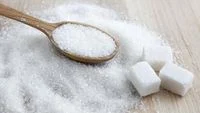
The mechanism is equally problematic for sugary drinks, including sodas, sweetened teas, and commercially packaged juices. The high concentration of sugar creates a hypertonic environment in the digestive tract, drawing water out of the body’s cells to aid in digestion and processing. Consequently, the body demands even more water to handle the sugar load, leading to intensified feelings of thirst shortly after consumption.
Energy drinks pose a compound threat. By combining massive doses of caffeine and refined sugars, energy drinks place a dual physiological strain on both the cardiovascular system and the renal system precisely when the body is already working overtime to regulate its internal temperature.
Strategic Hydration: Beyond Simply Drinking Water
To combat the physiological pressures of the dry season, health professionals recommend adopting proactive, systematic hydration habits rather than reacting solely to the sensation of thirst.
Adopt the "Drink Before Thirst" Principle
Human thirst mechanisms are often delayed indicators of fluid deficit. By the time an individual feels intensely thirsty, mild dehydration has usually already set in. Experts advise maintaining a steady intake of fluids throughout the day, particularly when working or exercising outdoors under direct sunlight.
Meeting Daily Fluid Targets
Maintaining an adequate baseline of hydration is essential. Medical guidelines typically recommend a minimum intake of 2 to 2.5 liters of fluids per day for average adults. During extreme heatwaves or intense physical exertion, this requirement increases. Public health advocates suggest carrying a reusable water bottle or tumbler as a visual reminder to achieve daily consumption milestones, scaling up the volume proportionally with outdoor exposure and physical activity levels.
Leveraging Water-Rich Foods
Hydration does not rely exclusively on drinking liquids. Incorporating foods with high water and electrolyte content into daily diets provides a natural, nutrient-dense method for maintaining fluid balance.
Watermelon, for instance, consists of approximately 92 percent water, according to data from the Mayo Clinic. Beyond its exceptional hydration properties, watermelon contains lycopene, a potent antioxidant associated with cardiovascular health, reduced cancer risks, and the prevention of age-related eye disorders. Other beneficial dietary additions include cucumbers, melons, oranges, crisp lettuces, and clear, broth-based soups that supply essential mineral salts lost through perspiration.
Apparel and Physical Protection Strategies
Mitigating heat-related illness requires a holistic approach that extends beyond dietary choices. The clothing and protective gear worn outdoors play a critical role in regulating body temperature.
Experts recommend wearing lightweight, loose-fitting clothing constructed from breathable natural fibers such as cotton. Furthermore, color choice matters significantly; light-colored garments reflect solar radiation, whereas dark colors absorb heat, accelerating the body’s thermal absorption rate.
Additional physical defenses include wearing broad-brimmed hats, utilizing UV-blocking umbrellas, donning sunglasses, and applying broad-spectrum sunscreen. These measures prevent direct solar radiation from artificially elevating skin temperature and reducing the speed at which the body overheats.
Broader Environmental Context and Official Advisories
The urgency surrounding heat safety is underscored by long-term climate forecasts. Meteorological authorities, including Indonesia’s Meteorology, Climatology, and Geophysical Agency (BMKG), have repeatedly issued warnings regarding prolonged and intensified dry seasons. Climatological models indicate that global weather patterns, including phenomena such as El Niño, continue to influence regional rainfall distributions, extending dry spells and elevating average temperatures across urban and rural landscapes alike.
Public health infrastructure faces seasonal spikes in heat exhaustion, heat stroke, and dehydration-related kidney complications during these extended dry periods. Vulnerable populations—including outdoor laborers, children, and the elderly—are disproportionately affected by microclimatic shifts and sustained high temperatures.
Public Health Implications and Economic Costs
The societal impact of inadequate heat management extends to public health systems and economic productivity. Dehydration impairs cognitive concentration, reduces endurance, and increases the incidence of occupational accidents in outdoor industries such as agriculture, construction, and transportation. Furthermore, chronic mild dehydration over successive hot days places cumulative stress on renal function, potentially elevating the prevalence of kidney stones and chronic kidney disease within the broader population.
As climate projections point toward more frequent and severe temperature anomalies in the coming years, public health messaging increasingly emphasizes personal preparedness and nutritional awareness. Replacing sugary sodas and caffeinated stimulants with plain water, electrolyte solutions, and water-dense fruits represents a simple yet vital behavioral adjustment. By understanding the science of thermoregulation and insensible water loss, communities can better protect themselves against the invisible hazards of extreme seasonal heat.
Related posts: