Integrating the Spiritual Legacy of Isra Miraj 1447 Hijriah into the Fabric of Contemporary Daily Life and Social Ethics

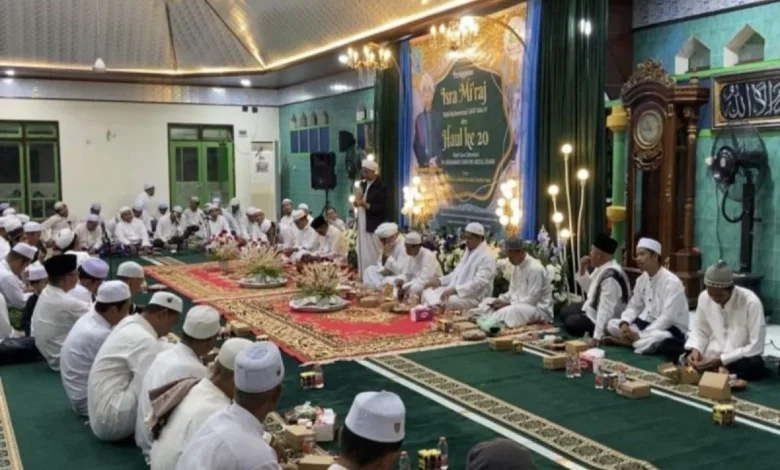
The commemoration of Isra Miraj 1447 Hijriah, scheduled to fall on January 16, 2026, serves as a profound milestone for the global Muslim community, particularly in Indonesia, to move beyond ritualistic observation and toward a deeper, more practical application of prophetic values. This momentous occasion, marking the miraculous night journey and ascension of the Prophet Muhammad SAW, is not merely a historical footnote but a reservoir of spiritual guidance that remains critically relevant in navigating the complexities of the modern era. As the lunar calendar approaches the 27th of Rajab, the discourse surrounding this event has shifted from purely theological reflection to a broader call for character building, social discipline, and the reinforcement of the five daily prayers as the cornerstone of a balanced life.
The Historical and Theological Foundation of Isra Miraj
To fully grasp the significance of the 1447 Hijriah commemoration, one must revisit the historical context of the original event, which occurred during a period of immense personal and political trial for the Prophet Muhammad SAW. Known as Am al-Huzn or the "Year of Sorrow," the Prophet had recently lost his beloved wife, Khadijah bint Khuwaylid, and his protective uncle, Abu Talib. It was against this backdrop of grief and persecution in Mecca that the divine invitation of Isra Miraj was extended, serving as both a consolation and a cosmic validation of his mission.
The journey is traditionally divided into two distinct phases. The first, Isra, involves the horizontal journey from the Masjid al-Haram in Mecca to the Masjid al-Aqsa in Jerusalem. This segment symbolizes the connection between the Abrahamic faiths and the importance of earthly sacred spaces. The second phase, Miraj, represents the vertical ascension from Jerusalem through the seven heavens to the Sidrat al-Muntaha, the utmost boundary beyond which no creation can pass. It was during this celestial ascent that the Prophet received the direct commandment for the five daily prayers (Salat), which serves as a "Miraj" for every believer—a direct line of communication with the Creator.
A Chronological Overview of the Commemoration and Modern Logistics
As the year 2026 approaches, the logistical and social preparations in Indonesia reflect the enduring importance of this holiday. The Indonesian government, through its joint ministerial decrees, has long recognized Isra Miraj as a national public holiday, facilitating mass movements of people returning to their hometowns or visiting religious sites.
In a practical manifestation of this demand, state-owned rail operator PT Kereta Api Indonesia (KAI), specifically the Palembang Regional Division, has already indicated the scale of public participation. For the long weekend surrounding the 1447 Hijriah commemoration, thousands of tickets are typically made available—reaching figures such as 10,672 seats in specific regions—to accommodate the surge in travelers. This data underscores that while the event is spiritual, its impact is deeply felt in the national economy, transportation sectors, and public infrastructure.
Ten Pillars of Emulating Isra Miraj in Daily Life
The transition from a ceremonial holiday to a transformative lifestyle requires a structured approach. Religious scholars and social observers emphasize ten specific ways through which the values of Isra Miraj can be integrated into the contemporary Muslim experience:
1. Deepening the Understanding of Spiritual Wisdom
The first step toward meaningful emulation is intellectual and spiritual engagement. Understanding that the Prophet was shown the wonders of the universe and the realities of the afterlife provides a perspective that dwarfs the mundane anxieties of modern life. By studying the Seerah (prophetic biography), individuals can appreciate the resilience required to overcome the "Year of Sorrow," applying that same fortitude to their personal challenges.
2. Consistency in Worship and Discipline
The command of Salat is the ultimate gift of Isra Miraj. In a world characterized by "doomscrolling" and fragmented attention spans, the five daily prayers offer a structural discipline. Consistency in these rituals fosters a sense of order, ensuring that spiritual obligations are not sidelined by professional or social pressures.
3. Achieving "Khusyuk" or Spiritual Mindfulness
Modern psychological frameworks often speak of "flow" or "mindfulness." In the Islamic tradition, this is captured by the concept of Khusyuk. By consciously removing distractions and focusing on the meaning of the prayers, a believer mirrors the Prophet’s proximity to Allah during the Miraj. This practice serves as a mental sanctuary, reducing stress and enhancing emotional regulation.
4. Continuous Religious Education
The Miraj was an journey of increasing knowledge and revelation. Similarly, a modern Muslim is encouraged to expand their horizons through verified religious literature and scholarly discourse. This prevents the stagnation of faith and protects the community from radical or misinformed interpretations of the religion.
5. The Integration of Dhikr into Daily Routine
The journey of the Prophet was filled with the glorification of God. Emulating this involves maintaining a "moist tongue" with the remembrance of Allah (Dhikr) amidst the hustle of daily work. This practice ensures that one’s heart remains tethered to spiritual values even while engaging in secular activities.
6. Sincerity and Tawakal (Trust in God)
The Prophet’s journey was an act of pure faith. In the modern workplace and social sphere, performing duties with Ikhlas (sincerity)—seeking only the pleasure of the Creator rather than the validation of peers—can prevent burnout and foster a healthier work-life balance. Tawakal, or surrendering the outcome to God after putting in the effort, provides a psychological safety net against the fear of failure.
7. Fostering Collective Spirituality
Isra Miraj emphasizes the importance of the Ummah. By inviting family members and the local community to pray together or engage in religious study, the individual strengthens the social fabric. This collective worship builds a support system that is vital for maintaining moral standards in a rapidly changing world.
8. Regular Self-Reflection and Muhasabah
Just as the Prophet reflected on the signs shown to him in the heavens, the believer must engage in Muhasabah (self-accounting). Evaluating one’s actions at the end of each day allows for continuous improvement, ensuring that the lessons of Isra Miraj lead to tangible changes in character.
9. Prioritizing Prayer as a Life Compass
One of the most significant lessons is that Salat was the only obligation given directly in the heavens, highlighting its supremacy. Prioritizing prayer over business meetings or entertainment is a radical act of faith in a materialistic society, signaling that one’s primary allegiance is to the divine.
10. Refinement of Character (Akhlak)
The ultimate goal of any spiritual journey is the improvement of behavior. The Prophet’s journey resulted in a leader who was even more compassionate, just, and patient. Translating Isra Miraj into daily life means practicing honesty in business, kindness to neighbors, and integrity in digital interactions.
Official Responses and Social Implications
Religious organizations such as the Nahdlatul Ulama (PBNU) and Muhammadiyah often use the momentum of Isra Miraj to address contemporary social issues. For instance, PBNU has frequently linked the spirit of the night journey—which passed through Jerusalem—to the ongoing humanitarian concerns in Palestine. They argue that supporting the rights of the Palestinian people is not just a political stance but a spiritual mandate derived from the sacredness of Al-Aqsa Mosque.
Furthermore, the Indonesian Ulema Council (MUI) emphasizes that the "Miraj of the believer" (Salat) should result in a "social Miraj"—an elevation of the community’s welfare. They posit that if every Muslim truly implemented the discipline of prayer, issues such as corruption, social injustice, and communal conflict would naturally diminish.
Analysis: From Tradition to Transformation
The enrichment of the Isra Miraj commemoration in 1447 Hijriah lies in its ability to act as a catalyst for social reform. In an era where technology often leads to isolation, the communal aspects of this event—ranging from mosque gatherings to the shared experience of holiday travel—reconnect individuals.
From a data-driven perspective, the uptick in religious tourism and the surge in digital content related to "Isra Miraj lessons" indicate a growing hunger for meaning in an increasingly secularized world. The challenge for religious leaders and educators in 2026 will be to ensure that the 10-point framework mentioned above is accessible to the youth, who are more likely to engage with these concepts through social media and short-form video content.
The broader implication of this commemoration is the creation of a "prophetic personality"—an individual who is technologically savvy but spiritually grounded. By treating the night journey as a roadmap for personal ascension, the Muslim community in Indonesia and beyond can contribute to a more ethical, disciplined, and compassionate global society.
Conclusion
As January 16, 2026, approaches, the focus remains clear: Isra Miraj is not a relic of the past but a living guide for the future. By moving beyond the ceremonial and embracing the practical steps of discipline, education, and character refinement, the 1447 Hijriah commemoration can become a turning point for many. The journey from Mecca to the heavens is a reminder that no matter how deep the "Year of Sorrow" may be, there is always a path to divine proximity and personal renewal. Through the consistent application of these values, the spirit of the Prophet’s journey continues to illuminate the path of the faithful in the 21st century.